


In modern industrial manufacturing, transmission efficiency, equipment stability, and service life directly affect production costs and business competitiveness. As the demand for high-performance transmission materials continues to grow, the polyurethane drive belt has become a preferred upgrade from traditional rubber belts.
Compared with rubber materials, polyurethane offers superior wear resistance, tensile strength, elasticity, and overall durability. These advantages make it ideal for high-speed, continuous, and heavy-duty operating environments. For manufacturers aiming to improve efficiency and stability, understanding what a polyurethane drive belt is and why it performs better is essential.
This article provides a complete guide to polyurethane drive belts, including definitions, material characteristics, manufacturing processes, application industries, and a detailed performance comparison with rubber belts.
What Is a Polyurethane Drive Belt
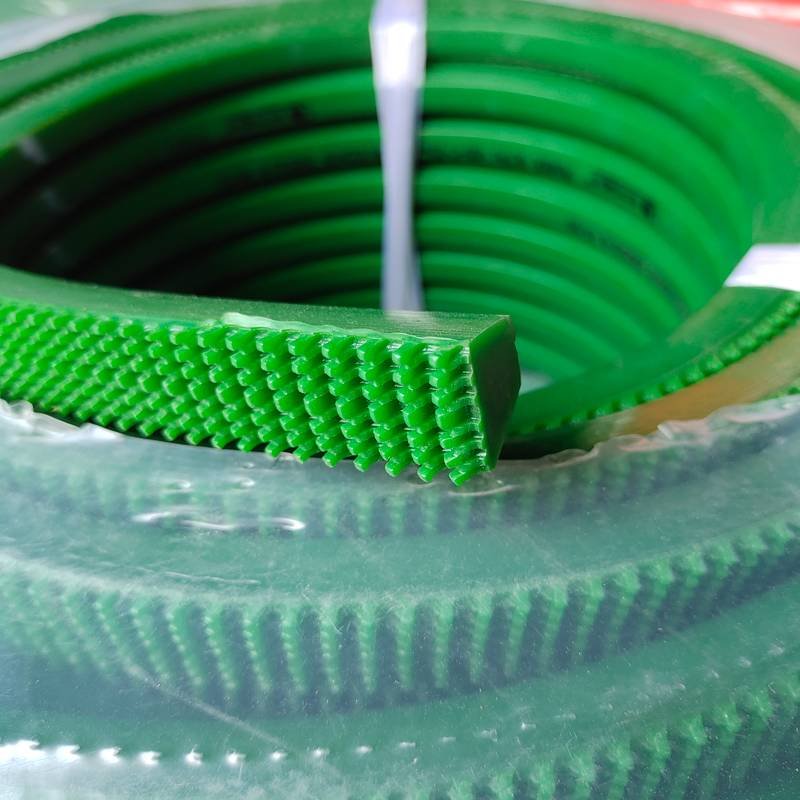
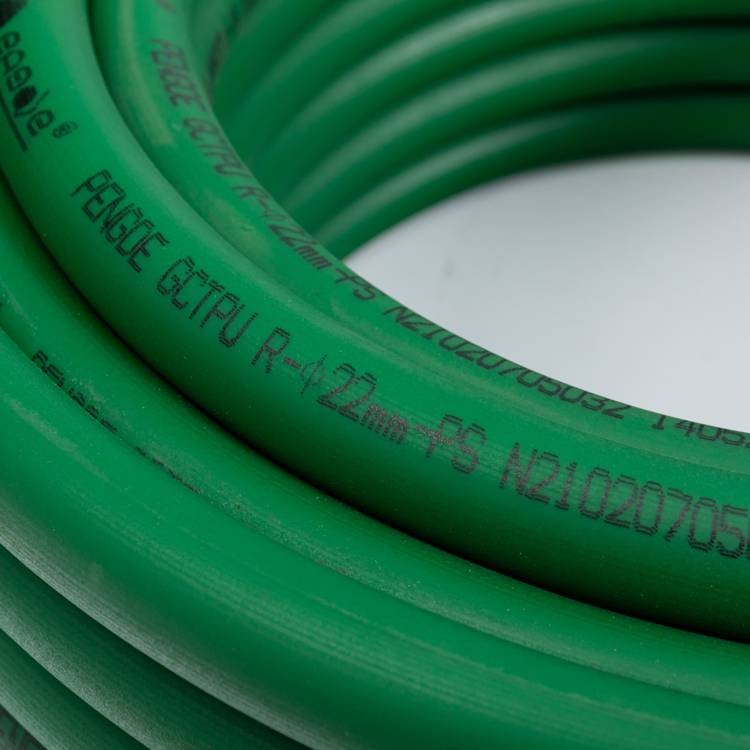
A polyurethane drive belt is a high-performance mechanical power transmission component made from thermoplastic polyurethane (TPU) or cast polyurethane (PU). It is widely used in modern equipment to transfer motion, synchronize movement, and ensure efficient power delivery.
Common structures include:
- Round Belts – for light-duty transmission, food equipment, sorting systems
- V-Belts – for medium to heavy loads
- Flat Belts – ideal for high-speed or long-distance transmission
- Timing Belts – for precise positioning and synchronized motion
Polyurethane has become increasingly popular because its mechanical properties outperform rubber in demanding, high-frequency operations.
Key Performance Features of Polyurethane Drive Belts
Below is a structured overview of the belt’s core advantages:
Outstanding Wear Resistance
The dense molecular structure of polyurethane delivers up to 3 times the wear resistance of rubber, reducing replacement frequency significantly.
Excellent Tensile Strength and Elasticity
Polyurethane offers high elongation at break and exceptional rebound performance, meaning it resists permanent deformation even under continuous tension.
Superior Oil and Chemical Resistance
Polyurethane remains stable when exposed to oils, lubricants, solvents, and certain chemicals, making it ideal for food processing, packaging, and mechanical industries.
Wide Temperature Resistance
TPU belts maintain stable performance from -30°C to +80°C, avoiding cracking or softening—something rubber belts often struggle with.
Smooth Start-Up and Low-Noise Operation
The natural elasticity of polyurethane provides softer engagement, less vibration, and quieter operation, improving overall work environments.
High Customizability
Belts can be fully customized in hardness, size, color, transparency, texture, and specific mechanical properties.
How Polyurethane Drive Belts Are Manufactured
The performance of a polyurethane drive belt is closely tied to the manufacturing method. The two primary processes are:
Extruded TPU Belts
- Made from thermoplastic polyurethane
- Formed through precision extrusion
- Ideal for round belts, V-belts, and flat belts
- Features: excellent flexibility and suitable for continuous looping systems
Cast PU Belts
- Produced using liquid cast polyurethane
- Mold-formed for larger or higher-strength belt structures
- Features: superior wear resistance and overall structural stability
PENGDE’s Advantage:
We use high-quality polyurethane formulations, strict material control, professional tooling design, and standardized production to ensure each polyurethane drive belt offers consistent, reliable performance for long-cycle industrial use.
Polyurethane Drive Belts vs Rubber Belts
| Performance Item | Polyurethane Drive Belt | Rubber Drive Belt |
|---|---|---|
| Wear Resistance | ★★★★★ Excellent | ★★☆☆☆ Moderate |
| Service Life | Long, ideal for continuous use | Shorter, requires frequent replacement |
| Elasticity & Shape Retention | Outstanding | Degrades over time |
| Oil & Chemical Resistance | Very high | Low |
| Temperature Stability | Wide range, consistent performance | Limited, unstable at extreme temperatures |
| Surface Quality | Smooth, crack-resistant | Prone to cracking |
| Customization Options | Highly customizable | Restricted |
| Total Cost of Ownership | Low | Higher due to frequent replacements |
In most critical performance categories, polyurethane belts provide clear and measurable advantages over rubber belts.
Common Applications of Polyurethane Drive Belts
Polyurethane drive belts are widely used across various industries:
Packaging Machinery
High-speed, continuous operation with excellent wear resistance.
Textile Machinery
Consistent long-term operation with minimal maintenance.
Food Processing Equipment
Oil-resistant, water-resistant, and food-safe.
Automated Production Lines
Stable transmission for high-cycle automated processes.
Woodworking and Light-Duty Machinery
Strong impact resistance and reliable load performance.
Warehouse and Logistics Systems
Smooth and continuous power transmission in sorting and conveying equipment.
How to Select the Right Polyurethane Drive Belt
Key factors to consider when choosing a belt include:
- Diameter / Thickness – affects load capacity and compatibility
- Length – influences transmission efficiency
- Hardness (Shore A) – determines wear resistance and flexibility
- Tensile Strength – crucial for longevity
- Operating Temperature – prevents cracking or softening
- Load and Speed Requirements – ensures stable, slip-free transmission
PENGDE’s Industrial-Grade Polyurethane Drive Belt Solutions
PENGDE offers reliable and customizable polyurethane transmission products with strong advantages:
- Over 15 years of polyurethane manufacturing experience
- High-quality raw materials and controlled formulations
- Precision molds and diverse cross-section customization
- Comprehensive testing: hardness, aging, tensile, abrasion
- Proven applications in ceramics, automation, machinery, and logistics
- Support for OEM, ODM, drawing-based customization, and mass production
We deliver consistent, durable, and industrial-grade polyurethane transmission solutions for global customers.
Conclusion
A polyurethane drive belt delivers superior wear resistance, excellent elasticity, chemical stability, and a significantly longer service life. For companies seeking stable, long-lasting, high-performance transmission components, polyurethane belts are a better choice than traditional rubber belts.
If you are looking for a customized, high-quality polyurethane drive belt, or need professional engineering support, our team at PENGDE is ready to help. Email: pengde2@pengde-pu.com

