


In modern industrial manufacturing and equipment protection, material selection plays a critical role in determining equipment lifespan, operational stability, and maintenance costs. Among various material solutions, the polyurethane foam tube has become increasingly popular due to its excellent elasticity, wear resistance, and shock absorption properties.
A polyurethane foam tube is a tubular material produced from polyurethane through a controlled foaming process. Compared with traditional materials such as rubber or PVC, it offers clear advantages in weight reduction, flexibility, abrasion resistance, and impact protection. As a result, it is widely used in equipment protection, industrial cushioning, transportation safety, and manufacturing systems.
This article explores the structure, key properties, manufacturing process, and typical applications of the polyurethane foam tube, helping engineers, manufacturers, and procurement professionals better understand this high-performance material.
What Is a Polyurethane Foam Tube?
A polyurethane foam tube is a hollow tubular structure created through a chemical foaming process using polyurethane material. While maintaining structural strength, the internal cellular structure reduces density and improves flexibility, making it ideal for cushioning and protective applications.
From a structural perspective, polyurethane foam tubing generally consists of three main components:
- Polyurethane base material
- Microcellular foam structure
- Stabilizers and functional additives
This unique structure allows the polyurethane foam tube to absorb and disperse energy when subjected to pressure or impact, providing effective cushioning and protection.
Compared with solid polyurethane tubing, foam structures provide several advantages:
| Type | Structure | Weight | Cushioning Performance |
|---|---|---|---|
| Solid polyurethane tube | Solid material | Heavier | Moderate |
| Polyurethane foam tube | Microcellular foam structure | Lightweight | Excellent |
Because of this structure, the polyurethane foam tube is often the preferred solution in applications that require shock absorption, vibration reduction, or equipment protection.
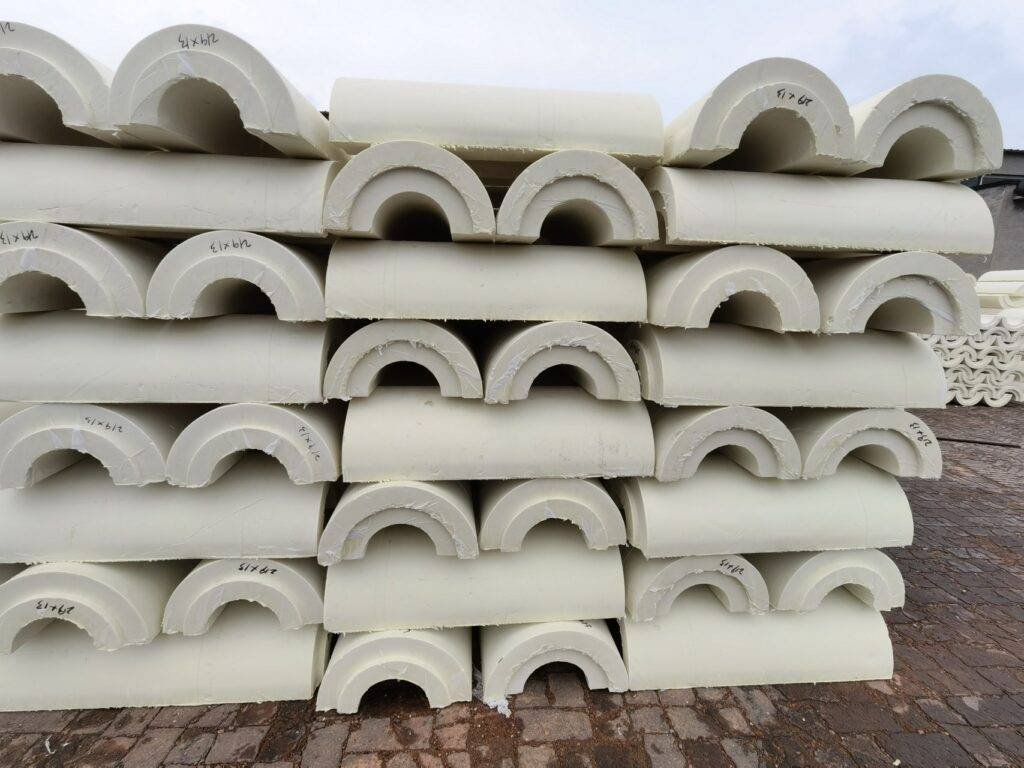
Key Properties of Polyurethane Foam Tubes
The widespread industrial use of the polyurethane foam tube is largely due to its outstanding combination of mechanical and physical properties.
Excellent Flexibility and Elasticity
Polyurethane materials are naturally elastic, and the foam structure further enhances this flexibility. When external pressure is applied to a polyurethane foam tube, the internal cells compress and then return to their original shape.
This property allows the material to provide consistent cushioning and protection in applications such as:
- Industrial machinery cushioning
- Conveyor system protection
- Vibration control for precision equipment
Outstanding Wear Resistance
Polyurethane is widely recognized as one of the most wear-resistant elastomer materials. Compared with traditional rubber, the polyurethane foam tube maintains its performance even in environments with frequent friction or movement.
Studies indicate that polyurethane materials can provide three to five times greater wear resistance than many conventional rubber materials.
This makes the polyurethane foam tube particularly suitable for:
- Automated machinery
- Conveyor systems
- Industrial mechanical protection
Lightweight Structure
Because of its internal foam structure, the polyurethane foam tube has a significantly lower density than solid polyurethane materials. This lightweight structure reduces the total weight of equipment while also lowering transportation and installation costs.
In industries such as logistics, packaging, and equipment protection, this lightweight advantage is particularly valuable.
Chemical and Oil Resistance
Industrial environments often involve exposure to oils, chemicals, or cleaning agents. The polyurethane foam tube offers strong resistance to oil and many chemical substances, enabling it to maintain stable performance under demanding conditions.
Typical environments include:
- Mechanical manufacturing facilities
- Automated production lines
- Packaging machinery
Shock Absorption and Vibration Reduction
The microcellular structure of the polyurethane foam tube allows it to effectively absorb impact energy. This property makes it an ideal material for reducing vibration and protecting sensitive components.
By integrating this material into industrial systems, manufacturers can:
- Reduce mechanical vibration
- Protect equipment components
- Extend the service life of machinery
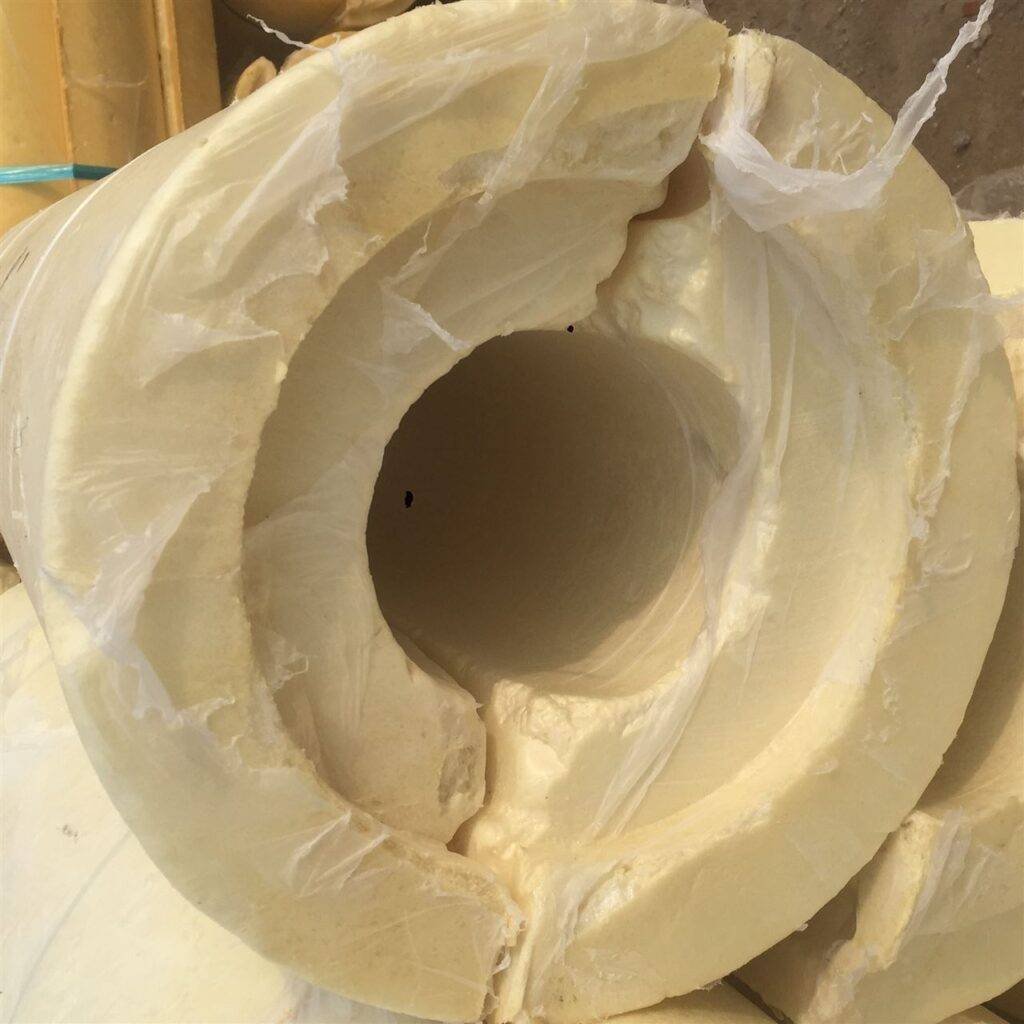
How Polyurethane Foam Tubes Are Manufactured
The quality of a polyurethane foam tube depends heavily on a controlled manufacturing process. From raw material selection to final testing, each stage plays a role in determining product performance.
Raw Materials Used in Polyurethane Foam Tubing
The production of polyurethane foam tubing typically involves the following raw materials:
- Polyols
- Isocyanates
- Foaming agents
- Stabilizers and performance additives
These materials are carefully mixed and processed to create a polyurethane foam with the desired density and elasticity.
Foaming Process
The foaming stage is the core process in manufacturing a polyurethane foam tube. During this step, a chemical reaction releases gas that forms a uniform microcellular structure throughout the material.
Foam density and cell size directly influence key properties such as:
- Elasticity
- Strength
- Cushioning capability
Extrusion and Shaping
After the foam material is produced, it is shaped through extrusion and molding processes to form the final tubular structure. Manufacturers can produce polyurethane foam tubes in various dimensions depending on the intended application.
Common specifications include:
- Outer diameter
- Inner diameter
- Wall thickness
- Density grade
Quality Control and Testing
To ensure consistent product performance, polyurethane foam tubes are typically subjected to several quality tests, including:
- Density testing
- Hardness testing
- Tensile strength testing
- Abrasion resistance testing
These procedures help ensure the material performs reliably in real industrial environments.
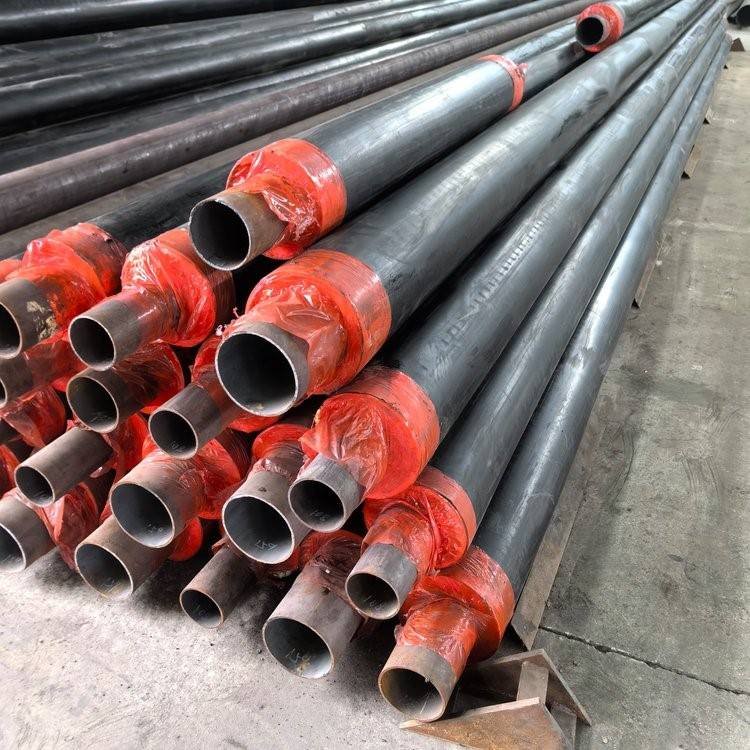
Common Applications of Polyurethane Foam Tubes
Because of its mechanical advantages, the polyurethane foam tube is used across many industries.
Industrial Machinery Protection
During machine operation, vibration and mechanical impact are unavoidable. A polyurethane foam tube can be installed in key areas to absorb shocks and reduce equipment wear.
Typical uses include:
- Equipment cushioning systems
- Conveyor protection
- Vibration control components
Packaging and Product Protection
In logistics and transportation, products often require reliable protective materials. Thanks to its lightweight and elastic structure, the polyurethane foam tube is commonly used to protect fragile equipment and sensitive components during shipping.
Automotive and Transportation
Within the automotive and transportation sectors, polyurethane foam tubing can be used for:
- Wire harness protection
- Pipe insulation and protection
- Component cushioning
These applications help reduce vibration and mechanical damage.
Ceramic and Manufacturing Equipment
Polyurethane materials are widely used in ceramic production equipment and industrial manufacturing systems. With many years of experience in polyurethane manufacturing, PENGDE provides a range of solutions for the ceramics industry, including rollers, PU squeegees, TPU belts, and other industrial polyurethane components.
Advantages of Polyurethane Foam Tubes Compared with Other Materials
When selecting industrial cushioning materials, companies often compare different options. The table below highlights the advantages of the polyurethane foam tube.
| Material | Flexibility | Wear Resistance | Weight | Service Life |
|---|---|---|---|---|
| Polyurethane foam tube | Excellent | High | Lightweight | Long |
| Rubber | Good | Moderate | Medium | Moderate |
| PVC | Lower | Moderate | Lightweight | Shorter |
Overall, the polyurethane foam tube offers superior durability, flexibility, and long-term performance, making it a preferred choice for many industrial applications.
How to Choose the Right Polyurethane Foam Tube
Selecting the right polyurethane foam tube requires consideration of several important factors.
Density and Hardness
Different density levels influence the cushioning capacity and load-bearing performance of the material. Heavy-duty applications often require higher density foam.
Tube Diameter and Thickness
Tube dimensions such as diameter and wall thickness must match the intended equipment or installation requirements to ensure proper performance.
Application Environment
Industrial environments may include factors such as:
- High temperatures
- Chemical exposure
- Continuous friction or movement
These conditions should be considered when selecting material specifications.
Customization Options
Many industrial applications require customized materials, such as:
- Specific dimensions
- Customized hardness levels
- Special colors or markings
Working with an experienced manufacturer allows companies to obtain tailored polyurethane solutions for their equipment.
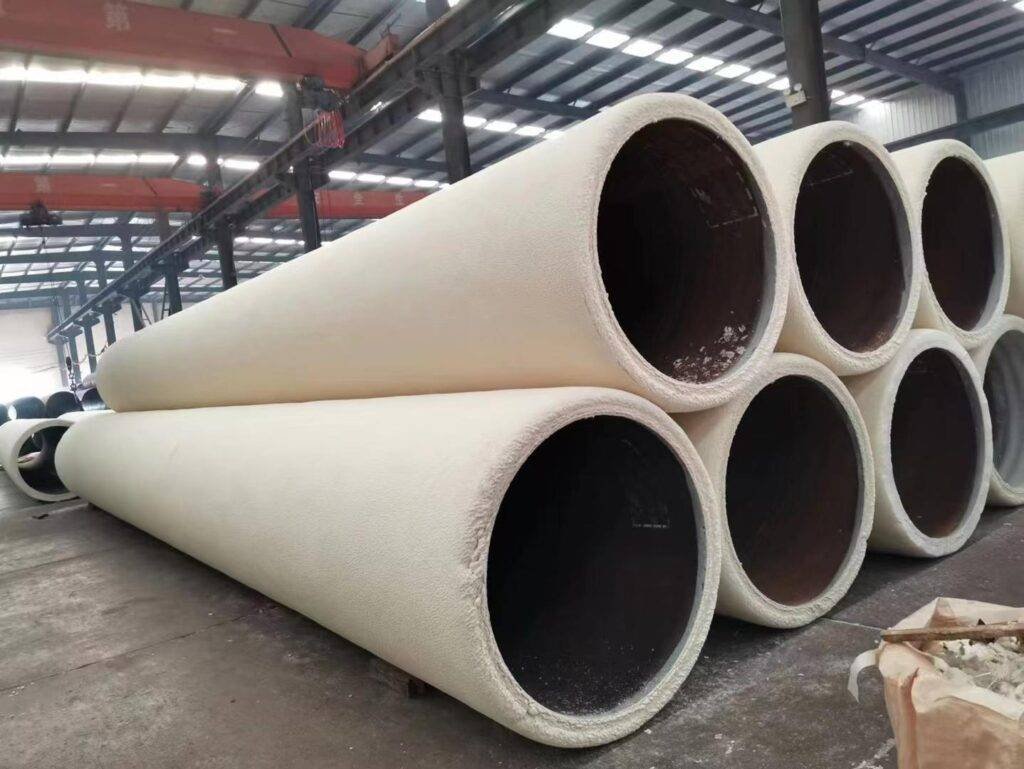
Why Manufacturers Choose Custom Polyurethane Foam Tubes
Standard materials do not always meet the requirements of complex industrial applications. As a result, many manufacturers choose customized polyurethane foam tubes.
Customization offers several advantages:
- Precise equipment compatibility
- Optimized cushioning performance
- Improved operational efficiency
- Reduced long-term maintenance costs
With over 15 years of polyurethane manufacturing experience, PENGDE continuously invests in new production equipment and technology to provide reliable polyurethane solutions for global partners.
Conclusion
The polyurethane foam tube is a high-performance material known for its elasticity, durability, lightweight structure, and shock absorption capabilities. These advantages make it widely used in industrial equipment protection, manufacturing systems, and transportation safety applications.
As industrial automation and advanced manufacturing continue to grow, the demand for high-performance polyurethane materials will also increase. Choosing the right polyurethane foam tube can help improve equipment stability, reduce maintenance costs, and extend the operational lifespan of machinery.
For companies seeking customized polyurethane solutions, working with an experienced manufacturer ensures consistent quality and reliable performance. Contact us at pengde2@pengde-pu.com
FAQ About Polyurethane Foam Tubes
What is polyurethane foam tubing used for?
Polyurethane foam tubing is commonly used for industrial cushioning, equipment protection, transportation packaging, and vibration control in machinery.
Is polyurethane foam stronger than rubber?
In terms of abrasion resistance and durability, polyurethane materials typically outperform traditional rubber in many industrial applications.
Can polyurethane foam tubes be customized?
Yes. Most manufacturers can produce customized polyurethane foam tubes with specific dimensions, density levels, and hardness according to application requirements.
Are polyurethane foam tubes resistant to chemicals?
Yes. The polyurethane foam tube generally offers strong resistance to oils and many chemicals, making it suitable for a wide range of industrial environments.

