Belt Pulley
Belt Pulley
A belt pulley is a key component in power transmission systems, used to transfer motion and torque between shafts through belts. By working together with different types of belts, pulleys enable efficient and reliable mechanical operation across a wide range of industrial applications.
Belt pulleys are available in various designs, including V-belt pulleys, timing belt pulleys, and flat belt pulleys, each suited for specific transmission requirements. Proper pulley selection ensures optimal performance, reduced wear, and improved system efficiency.
Key Features
- Efficient Power Transmission: Ensures smooth and reliable transfer of motion between rotating shafts.
- High Durability: Manufactured from strong materials to withstand continuous operation.
- Precision Machining: Accurate dimensions ensure stable belt alignment and reduced vibration.
- Wide Compatibility: Suitable for various belt types including V-belts and timing belts.
- Low Maintenance: Designed for long service life with minimal maintenance requirements.
- Custom Design Available: Supports tailored solutions for specific transmission systems.
Types of Belt Pulleys
- V-Belt Pulley: Designed for use with V-belts, providing high friction and stable power transmission.
- Timing Belt Pulley: Features toothed profiles for synchronous, slip-free operation.
- Flat Belt Pulley: Used in applications requiring smooth and continuous motion.
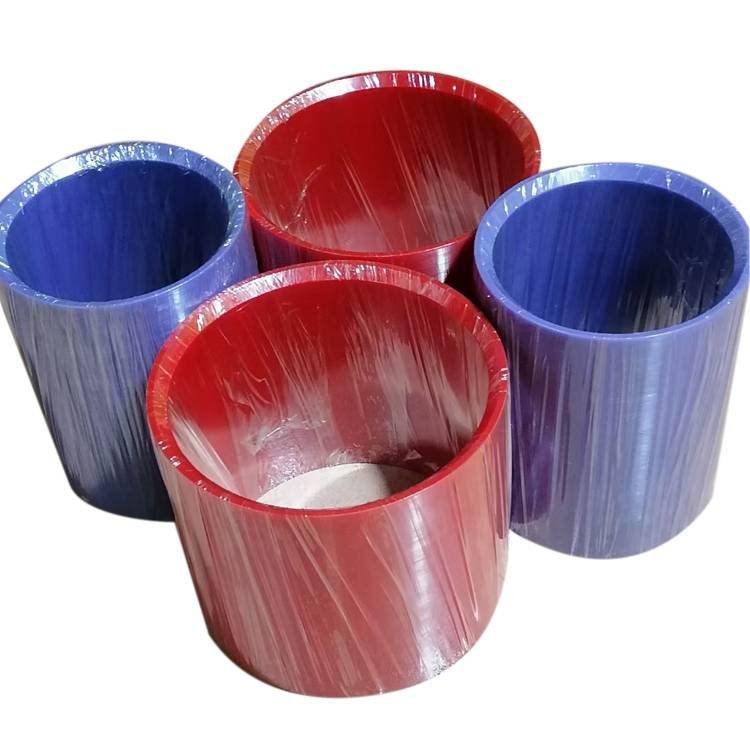
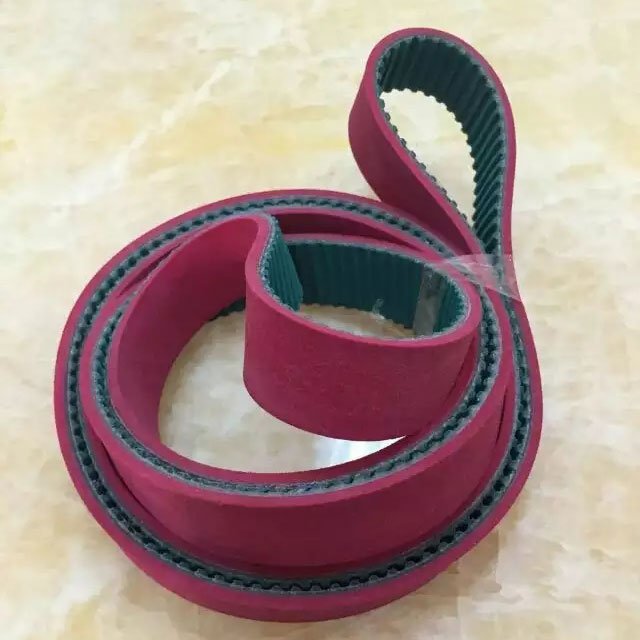
- Polyurethane-Coated Pulley: Offers enhanced grip, reduced noise, and improved wear resistance.
Technical Specifications
| Item | Specification |
|---|---|
| Material | Steel / Cast Iron / PU Coated |
| Type | V Belt / Timing / Flat Pulley |
| Bore Size | Custom |
| Outer Diameter | Custom |
| Groove Type | A, B, C, SPA, SPB, etc. |
| Surface Treatment | Machined / Coated / Custom |
Applications
Belt pulleys are widely used in various industrial systems.
Typical applications include:
- Conveyor systems
- Industrial machinery
- HVAC systems
- Agricultural equipment
- Automotive systems
- Packaging machinery
These components ensure efficient and stable power transmission.
Advantages of Belt Pulleys
| Feature | Belt Pulley System | Gear Drive |
|---|---|---|
| Noise Level | Low | Higher |
| Maintenance | Low | Medium |
| Flexibility | High | Low |
| Cost | Lower | Higher |
Belt pulley systems provide a cost-effective and flexible solution for power transmission.
Polyurethane-Coated Pulley Advantages
For enhanced performance, polyurethane-coated pulleys offer:
- Improved friction and grip
- Reduced belt slippage
- Noise reduction
- Extended belt and pulley life
- Better wear resistance
This makes them ideal for conveyor and precision transmission systems.
Custom Belt Pulley Solutions
We provide custom belt pulleys and PU-coated pulleys based on your application needs.
Customization options include:
- Custom diameters and bore sizes
- Different groove profiles
- PU coating thickness and hardness
- Surface finishing options
- OEM production based on drawings
Our solutions are designed for high efficiency and long-term reliability.
FAQ
Q1: What is a belt pulley used for?
A belt pulley is used to transfer motion and power between shafts using a belt.
Q2: What types of belt pulleys are available?
Common types include V-belt pulleys, timing pulleys, and flat belt pulleys.
Q3: What are the benefits of PU-coated pulleys?
They provide better grip, reduced noise, and improved wear resistance.
Q4: Can belt pulleys be customized?
Yes. They can be manufactured in different sizes, materials, and configurations.
Related Products
-
 Quick View
 -
 Quick View
 -
Quick View
-
 Quick View
 -
 Quick View
 -
Quick View
-
 Quick View
 -
 Quick View