


A polyurethane pad is a high-performance industrial component made from polyurethane elastomer, widely used in manufacturing, machining, and heavy-duty industrial systems. It is designed to provide cushioning, shock absorption, wear resistance, and surface protection in demanding working environments.
Compared with traditional materials like rubber, metal, or plastic, polyurethane pads offer a significantly longer service life and more stable mechanical performance. Because of this, they are increasingly used in industries such as ceramics, metallurgy, mining, automotive, packaging, and die-cutting.
In this guide, you will learn what a polyurethane pad is, how it is made, its key properties, applications, and how to choose the right type for your industrial needs.
What is a Polyurethane Pad?
A polyurethane pad is an engineered industrial component made from polyurethane (PU), a polymer material known for its excellent elasticity, toughness, and abrasion resistance.
In simple terms, it acts as a protective cushioning layer between mechanical parts or working surfaces to reduce impact, vibration, and wear.
Polyurethane pads are commonly used in:
- Industrial machinery cushioning systems
- Cutting and stamping processes
- Ceramic processing equipment
- Load-bearing and impact absorption systems
- Surface protection in production lines
Unlike conventional rubber pads, polyurethane pads maintain stable performance under high pressure and repeated mechanical stress.

How Polyurethane Pad is Made
Polyurethane pads are manufactured through a chemical reaction between:
- Polyols
- Isocyanates
These raw materials are carefully mixed and poured into molds, where they undergo a controlled curing process. During production, manufacturers can adjust the formulation to achieve different performance characteristics.
Key manufacturing steps include:
- Raw material preparation and formulation design
- Mixing under controlled temperature conditions
- Casting into molds of required shapes and sizes
- Curing and solidification
- Cutting, grinding, and finishing
By adjusting the ratio of materials, manufacturers can control hardness, elasticity, and load-bearing performance, making polyurethane pads highly customizable for different industries.
Key Properties of Polyurethane Pad
Polyurethane pads are widely valued in industrial applications due to their unique material properties.
1. High Abrasion Resistance
Polyurethane has far better wear resistance than rubber and many plastics, making it ideal for high-friction environments.
2. Excellent Shock Absorption
It effectively absorbs impact energy, reducing damage to machinery and workpieces.
3. Strong Load-Bearing Capacity
Polyurethane pads can withstand heavy pressure without permanent deformation.
4. Chemical and Oil Resistance
They perform well in environments exposed to oils, greases, and mild chemicals.
5. High Elasticity and Flexibility
Even under repeated stress, polyurethane maintains its shape and performance stability.
These properties make polyurethane pads suitable for continuous industrial operation under harsh conditions.
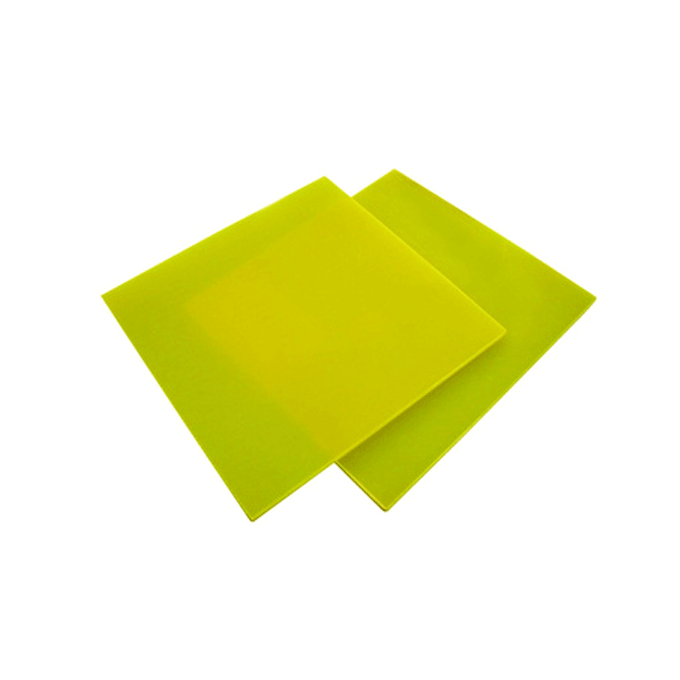
Types of Polyurethane Pads
Different industries require different pad characteristics. Common types include:
Soft Polyurethane Pads
Used for light cushioning and vibration control.
Hard Polyurethane Pads
Designed for heavy-load applications and high-pressure environments.
Custom Molded Polyurethane Pads
Manufactured according to specific dimensions, hardness, and performance requirements.
Anti-static Polyurethane Pads
Used in electronics and precision manufacturing environments.
Industrial-grade PU Pads
Designed for heavy-duty applications such as mining and metallurgy.
Industrial Applications of Polyurethane Pad
Polyurethane pads are used across a wide range of industries due to their durability and versatility.
1. Ceramic Industry
In ceramic machinery, polyurethane pads help protect surfaces during tile processing and reduce breakage during production.
2. Metal Forming and Die Cutting
They are widely used as punch die cushioning pads to improve cutting precision and extend tool life.
3. Mining and Heavy Machinery
Used for shock absorption in high-impact environments where durability is critical.
4. Automotive Industry
Applied in vibration reduction systems and component protection.
5. Packaging and Logistics
Used in conveyor systems and handling equipment to reduce wear and noise.
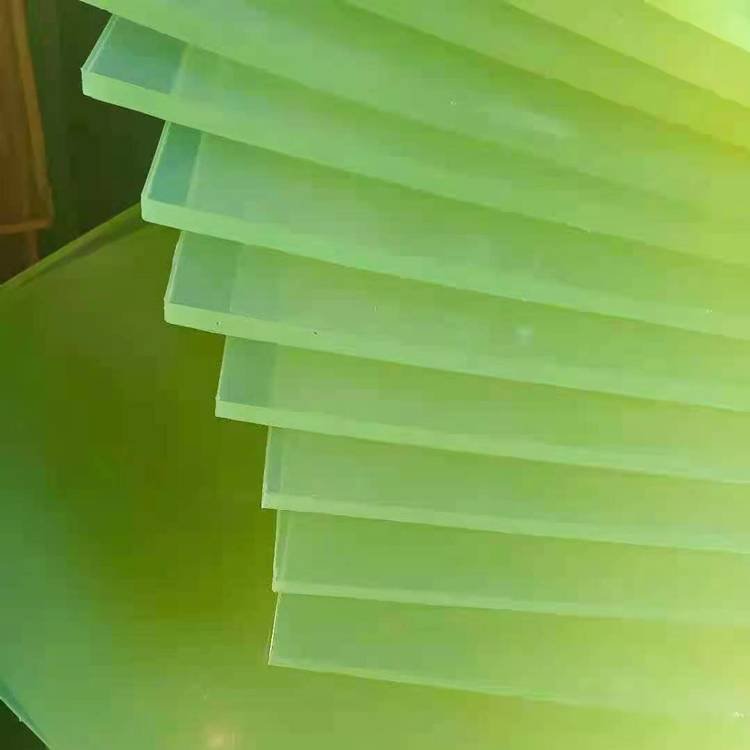
Polyurethane Pad vs Rubber Pad
When selecting materials for industrial cushioning, polyurethane and rubber are often compared.
Wear Resistance
Polyurethane offers significantly higher abrasion resistance than rubber.
Service Life
PU pads typically last longer under repeated mechanical stress.
Load Capacity
Polyurethane performs better under high-pressure conditions.
Cost Efficiency
Although polyurethane may have a higher initial cost, its longer lifespan reduces overall maintenance expenses.
Performance Stability
Polyurethane maintains consistent performance across different environments, while rubber degrades faster under heat and load.
Overall, polyurethane pads are considered a more advanced engineering solution for demanding industrial applications.
Advantages of Using Polyurethane Pads
Polyurethane pads provide several key advantages in industrial systems:
- Extended operational lifespan
- Reduced maintenance and replacement costs
- Improved machinery efficiency
- Better impact and vibration control
- High customization flexibility
These benefits make them a preferred choice for modern industrial manufacturing systems.
How to Choose the Right Polyurethane Pad
Selecting the right polyurethane pad depends on several technical factors:
1. Hardness Level (Shore A or D)
- Softer pads for cushioning
- Harder pads for heavy load applications
2. Working Environment
Consider exposure to oil, heat, chemicals, or moisture.
3. Load Requirements
Higher loads require higher density and hardness.
4. Application Type
Different machinery and industries require specific pad designs.
5. Customization Needs
Size, shape, and performance can be tailored for OEM requirements.
Choosing the right specification ensures maximum efficiency and product lifespan.
Why Choose PENGDE Polyurethane Pads
With over 15 years of experience in polyurethane manufacturing, PENGDE provides reliable and customized PU solutions for global industrial clients.
We specialize in:
- Ceramic machinery components
- PU rods, sheets, belts, rollers, and custom parts
- OEM and ODM polyurethane solutions
- One-stop procurement for industrial applications
Our focus on quality, consistency, and customization allows us to support clients across ceramics, machinery, mining, and other industrial sectors.
FAQ
What is a polyurethane pad used for?
It is used for shock absorption, wear protection, and cushioning in industrial machinery and manufacturing systems.
Is polyurethane better than rubber?
Yes, in most industrial applications, polyurethane offers better wear resistance, load capacity, and durability.
How long does a polyurethane pad last?
Its lifespan depends on application conditions, but it generally lasts significantly longer than rubber alternatives.
Can polyurethane pads be customized?
Yes, they can be customized in terms of size, hardness, color, and performance characteristics.
What industries use polyurethane pads?
They are widely used in ceramics, mining, automotive, packaging, metal forming, and industrial machinery.
Conclusion
Polyurethane pads are essential industrial components that combine durability, flexibility, and high performance. Their ability to withstand heavy loads, absorb shock, and resist wear makes them a superior choice for modern manufacturing systems.
As industries continue to demand more efficient and long-lasting materials, polyurethane pads are becoming a standard solution across multiple sectors.
Looking for high-performance polyurethane pad solutions for your industry? Contact PENGDE pengde2@pengde-pu.com today for customized PU products tailored to your application needs.

