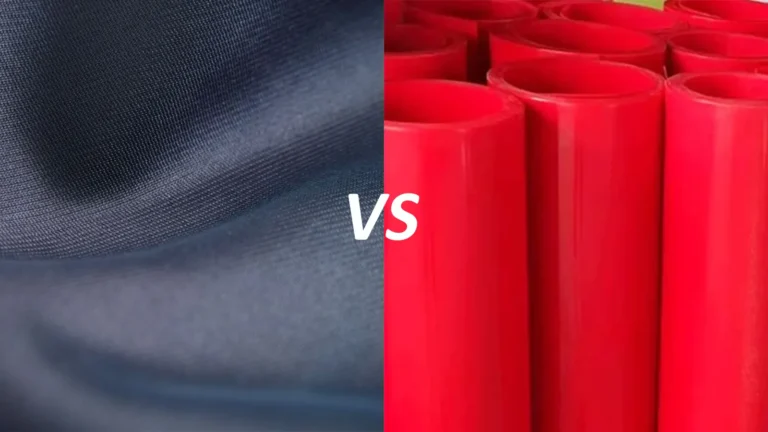
When selecting cushioning and protection materials for industrial applications, PU gel pads and silicone pads are two commonly considered options. Both materials are widely used for shock absorption, surface protection, and vibration control, but they perform very differently under industrial conditions.
Choosing the wrong material can lead to premature wear, equipment damage, or inefficient production performance. This is why engineers and procurement teams often compare PU gel pads and silicone pads before making a final decision.
In this guide, we will break down the key differences between PU gel pads and silicone pads, including material structure, performance characteristics, applications, and cost considerations. This will help you select the most suitable material for your industrial needs.
What is PU Gel Pad?
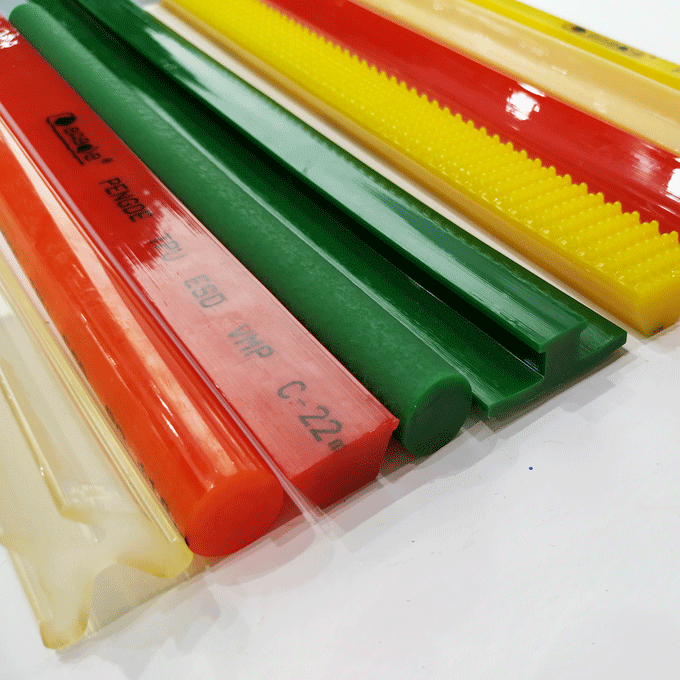
A PU gel pad is a cushioning material made from polyurethane-based elastomer with gel-like elasticity. It is designed to absorb impact energy, reduce vibration, and protect mechanical surfaces during operation.
PU gel pads are widely used in industrial environments where durability and load-bearing performance are critical.
Key characteristics of PU gel pads:
- High shock absorption capability
- Excellent wear and abrasion resistance
- Strong load-bearing performance
- Good flexibility and elasticity
- Stable performance under continuous mechanical stress
Common applications:
- Ceramic machinery systems
- Metal forming and stamping equipment
- Industrial cushioning systems
- Heavy-duty machinery protection
- Conveyor and production line support systems
PU gel pads are especially valued in industries where materials must withstand repeated impact and long operational cycles.

What is Silicone Pad?
A silicone pad is made from silicone elastomer (siloxane-based material) and is known for its flexibility, temperature resistance, and chemical stability.
Unlike PU gel pads, silicone pads are often used in environments where heat resistance and material stability are more important than load-bearing strength.
Key characteristics of silicone pads:
- Excellent high-temperature resistance
- Strong chemical and oxidation resistance
- Good flexibility across temperature ranges
- Electrical insulation properties
- Soft and elastic texture
Common applications:
- Electronics protection and insulation
- Food processing equipment
- Medical devices and equipment
- High-temperature sealing applications
- Electrical and thermal insulation systems
Silicone pads are widely used in precision industries where environmental resistance is a key requirement.
Material Composition Comparison
The fundamental difference between PU gel pads and silicone pads lies in their chemical structure.
- PU Gel Pad: Based on polyurethane polymer systems formed by the reaction of polyols and isocyanates
- Silicone Pad: Based on siloxane polymer chains with silicon-oxygen bonds
This structural difference directly affects their mechanical behavior:
- Polyurethane provides higher mechanical strength and abrasion resistance
- Silicone provides better thermal stability and chemical inertness
In industrial selection, this means PU gel pads are more suitable for mechanical stress environments, while silicone pads are better for environmental stress conditions.
Performance Comparison
1. Shock Absorption
PU gel pads offer superior shock absorption in heavy-load environments. They are designed to dissipate mechanical energy effectively, making them ideal for industrial machinery.
Silicone pads also absorb shock but are more elastic and less capable of handling high-impact forces over time.
2. Wear Resistance
PU gel pads perform significantly better in terms of abrasion resistance. They can withstand repeated friction and mechanical contact without degrading quickly.
Silicone pads are softer and tend to wear faster under continuous mechanical stress.
3. Temperature Resistance
Silicone pads clearly outperform PU gel pads in high-temperature environments. They maintain stability in extreme heat and are widely used in thermal applications.
PU gel pads are suitable for standard industrial temperature ranges but are not designed for extreme heat exposure.
4. Load-Bearing Capacity
PU gel pads have a much higher load-bearing capacity, making them suitable for heavy machinery and industrial production systems.
Silicone pads are better suited for light-load applications where flexibility is more important than strength.
5. Durability and Lifespan
In long-term industrial use:
- PU gel pads generally offer longer service life under mechanical stress
- Silicone pads last longer in stable, non-mechanical environments
Application Differences
PU Gel Pad Applications
PU gel pads are widely used in:
- Ceramic processing machinery
- Metal forming and die-cutting systems
- Industrial vibration control systems
- Heavy-duty equipment protection
- High-load production lines
They are preferred in environments requiring mechanical strength and durability.
Silicone Pad Applications
Silicone pads are commonly used in:
- Electronics manufacturing
- Food-grade production systems
- Medical and healthcare devices
- High-temperature sealing systems
- Electrical insulation applications
They are preferred in environments requiring thermal stability and safety compliance.
Cost and Economic Comparison
From a cost perspective:
- PU gel pads: More cost-effective for industrial bulk applications due to long service life and lower replacement frequency
- Silicone pads: Generally more expensive due to material cost and specialized performance characteristics
Although silicone pads may be necessary for specific environments, PU gel pads often provide better long-term value in industrial machinery applications.
Which One Should You Choose?
Choosing between PU gel pads and silicone pads depends entirely on your application requirements.
Choose PU Gel Pad if:
- You need high load-bearing performance
- Your application involves heavy machinery
- Wear resistance is critical
- You require long service life in industrial environments
Choose Silicone Pad if:
- You operate in high-temperature environments
- You need electrical or thermal insulation
- Your application involves food or medical compliance
- Flexibility and chemical stability are priorities
Why PU Gel Pads Are Widely Used in Industry
PU gel pads have become a preferred material in many industrial sectors because they offer a balanced combination of performance and durability.
Key advantages include:
- Superior wear resistance compared to silicone
- Higher mechanical strength under load
- Longer operational lifespan in machinery systems
- Strong adaptability for customization and OEM production
These characteristics make PU gel pads especially suitable for modern industrial manufacturing systems that require efficiency and stability.
Why Choose PENGDE PU Gel Pad Solutions
With over 15 years of experience in polyurethane manufacturing, PENGDE provides customized PU solutions for global industrial clients.
We specialize in:
- Industrial PU components
- Ceramic machinery parts
- PU rods, sheets, belts, rollers, and custom parts
- OEM and ODM polyurethane solutions
Our production focuses on quality consistency, material optimization, and application-specific customization to meet diverse industrial requirements.
FAQ
What is the difference between PU gel pad and silicone pad?
PU gel pads are stronger and more wear-resistant, while silicone pads perform better in high-temperature and chemical environments.
Which material is better for industrial use?
PU gel pads are generally better for heavy-duty industrial applications, while silicone pads are better for thermal and electronic applications.
Is PU gel pad heat resistant?
PU gel pads are heat resistant within standard industrial temperature ranges but not suitable for extreme heat environments.
Can PU gel pads be customized?
Yes, PU gel pads can be customized in hardness, size, shape, and performance characteristics.
Where is silicone pad commonly used?
Silicone pads are commonly used in electronics, medical devices, food processing, and high-temperature sealing systems.
Conclusion
PU gel pads and silicone pads are both valuable industrial materials, but they serve different purposes.
PU gel pads excel in mechanical strength, wear resistance, and heavy-duty applications, making them ideal for industrial machinery. Silicone pads, on the other hand, are better suited for high-temperature, chemical-resistant, and precision environments.
Looking for high-performance PU gel pad solutions for your industrial applications? Contact PENGDE pengde2@pengde-pu.com today for customized polyurethane products designed to meet your exact operational needs.