


In modern business environments, efficient cash handling is essential for maintaining accuracy, security, and operational efficiency. Industries such as retail, banking, hospitality, and entertainment handle large volumes of cash every day, making manual counting increasingly inefficient and error-prone.
To solve this problem, businesses rely on automated solutions such as the money counter machine, which improves counting speed and accuracy while reducing human labor costs.
Beyond the machine itself, the performance and durability of such equipment also depend on high-quality internal mechanical components used in automation systems, such as rollers, belts, and wear-resistant materials widely used in industrial manufacturing.
What is a Money Counter Machine?
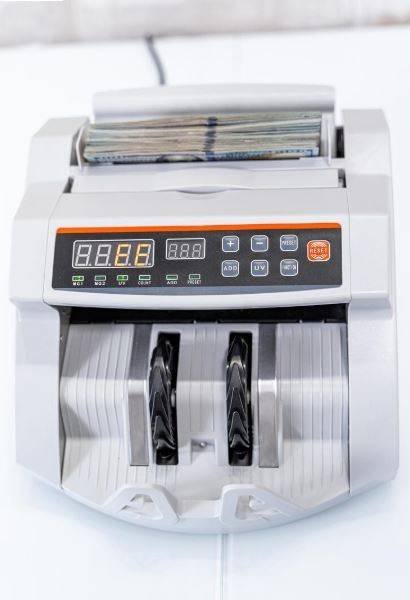
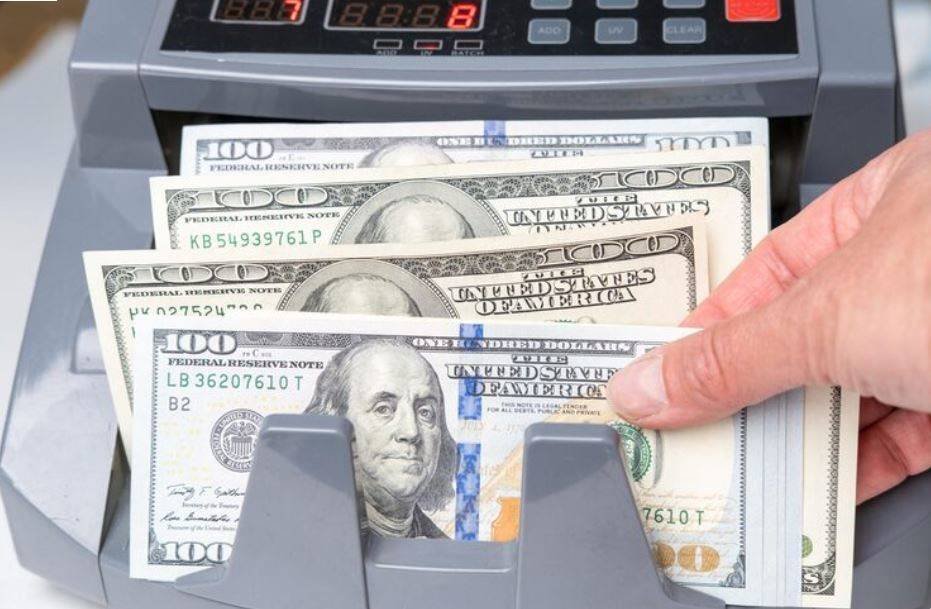
A money counter machine is an electronic device designed to automatically count banknotes with high speed and precision. Many advanced models also include counterfeit detection functions, helping businesses ensure financial accuracy and security.
The machine works by feeding banknotes through internal mechanical channels while sensors detect and count each note in real time.
In general, a money counter machine helps businesses:
- Improve counting efficiency
- Reduce manual labor
- Minimize counting errors
- Detect counterfeit currency (in advanced models)
It is widely used in cash-intensive industries where accuracy and speed are critical.
Why Money Counter Machines Are Important
Money counter machines play a crucial role in modern financial operations for several reasons:
1. Higher Efficiency
They can process large volumes of cash within minutes, significantly improving operational speed compared to manual counting.
2. Improved Accuracy
Automated systems reduce human error and ensure consistent counting results.
3. Enhanced Security
Advanced machines use UV, MG, and IR detection systems to identify counterfeit banknotes.
4. Labor Cost Reduction
Businesses can reduce manpower required for repetitive counting tasks.
5. Better Cash Management
Accurate counting supports cleaner financial records and smoother accounting processes.
How Money Counter Machine Works
A money counter machine operates through a combination of mechanical feeding systems and electronic detection technologies.
1. Feeding System
Banknotes are placed into a hopper, where rollers separate and feed them one by one into the machine.
2. Counting System
Sensors detect each banknote passing through the system and calculate the total quantity.
3. Detection System
Advanced machines may include:
- UV detection (ultraviolet ink verification)
- MG detection (magnetic ink analysis)
- IR detection (infrared pattern recognition)
4. Output Display
The final result is displayed on a digital screen, often including batch counting and total accumulation functions.
5. Mechanical Transmission System
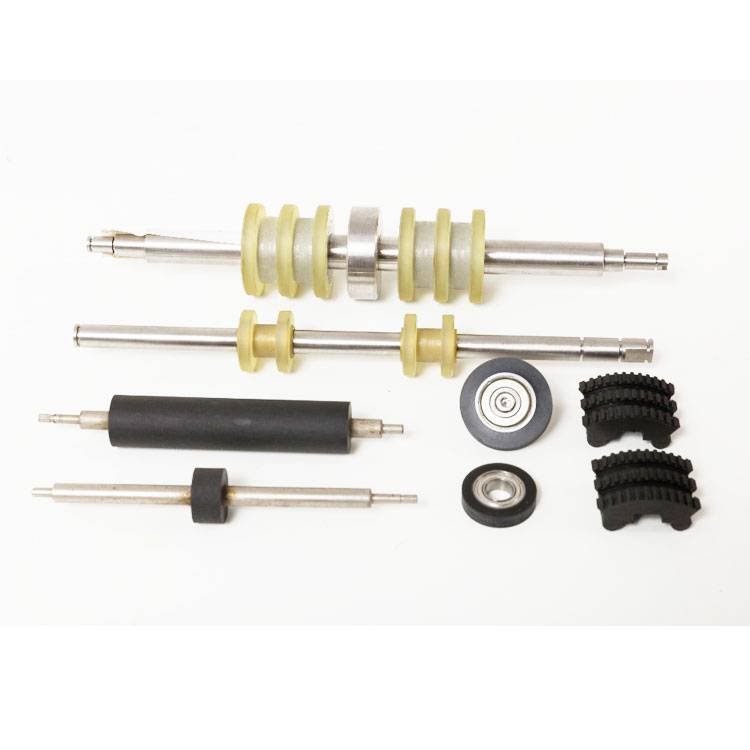
Inside the machine, stable movement relies on precision components such as rollers and belts, which ensure smooth and continuous operation.
In industrial manufacturing, high-performance materials such as polyurethane are often used for these components due to their wear resistance and durability.
Types of Money Counter Machines
Different types of money counter machines are designed for different business needs:
1. Basic Counting Machine
- Counts number of banknotes only
- Suitable for small businesses
- No counterfeit detection
2. Counterfeit Detection Machine
- Includes UV/MG detection
- Common in retail and service industries
3. Mixed Denomination Counter
- Recognizes different currency values
- Provides total cash value instead of simple counting
- Used in banks and financial institutions
4. Portable Counter Machine
- Compact design
- Suitable for mobile or small-scale operations
Key Features of Money Counter Machines
Modern machines are designed with advanced features to improve performance:
- High-speed counting capability
- Multi-layer counterfeit detection systems
- Automatic start/stop function
- Batch and accumulation counting
- Error detection and jam prevention systems
These features ensure efficiency, stability, and reliability in daily cash handling.
Applications of Money Counter Machine
Money counter machines are widely used across multiple industries:
1. Banking and Financial Institutions
Used for processing large cash volumes with high accuracy.
2. Retail and Supermarkets
Helps manage daily cash closing operations efficiently.
3. Hospitality Industry
Used in hotels, restaurants, and entertainment venues.
4. Casinos and Gaming Industry
Ensures fast and secure cash processing.
5. Cash-Intensive Businesses
Any business handling frequent cash transactions benefits from automated counting systems.
Money Counter Machine vs Manual Counting
Manual counting is still used in small operations, but it has clear limitations compared to automated machines.
Speed
Machines are significantly faster than human counting.
Accuracy
Automated systems eliminate most human errors.
Efficiency
Machines allow staff to focus on higher-value tasks.
Long-Term Cost
Although machines require initial investment, they reduce long-term labor and error-related costs.
Industrial Perspective: Why Component Quality Matters
Behind every reliable automated machine is a system of mechanical components that ensure stable performance.
Components such as:
- Feed rollers
- Transmission belts
- Wear-resistant pads
- Guide mechanisms
play a critical role in ensuring smooth operation and long service life.
In industrial manufacturing, materials like polyurethane (PU) are widely used in such components due to:
- High wear resistance
- Strong load-bearing capability
- Long operational lifespan
- Excellent flexibility and stability
Manufacturers like PENGDE specialize in producing customized polyurethane parts such as PU rods, sheets, belts, rollers, and non-standard components used in industrial machinery systems.
How to Choose the Right Money Counter Machine
When selecting a machine, consider the following factors:
- Counting speed requirements
- Detection system accuracy
- Hopper capacity
- Application environment
- Budget and long-term maintenance cost
Choosing the right model ensures better efficiency and reliability in daily operations.
Benefits of Using Money Counter Machines
- Faster cash processing
- Reduced operational errors
- Improved financial security
- Lower labor costs
- Higher workflow efficiency
Maintenance Tips
To ensure long-term performance:
- Clean internal sensors regularly
- Avoid overloading the hopper
- Perform routine maintenance checks
- Keep mechanical parts dust-free
Proper maintenance helps maintain accuracy and extend machine lifespan.
Conclusion
A money counter machine is an essential tool for modern businesses that handle cash transactions. It improves efficiency, accuracy, and security across multiple industries.
If you are looking for high-quality industrial polyurethane components for machinery systems, PENGDE pengde2@pengde-pu.com provides customized PU solutions including rods, sheets, belts, rollers, and non-standard parts for global industrial applications.

