


Polyester and polyurethane are different synthetic materials designed for different purposes. Polyester is mainly used for lightweight structural materials, fabrics, and reinforcement layers, while polyurethane is commonly used for flexible, wear-resistant, and impact-resistant industrial components.
In many products, the two materials are used together rather than competing directly. Polyester often provides strength and dimensional stability, while polyurethane improves flexibility, abrasion resistance, and surface durability.
This article explains the key differences between polyester and polyurethane, including their structure, properties, applications, and industrial performance.
What Is Polyester?
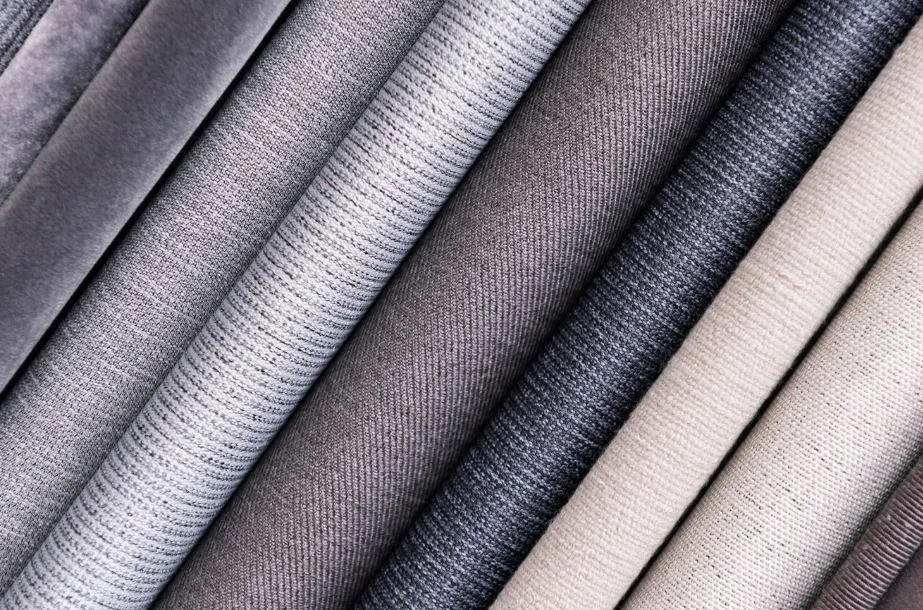
Polyester is a synthetic polymer commonly made from petroleum-based raw materials. The most widely used type is polyethylene terephthalate (PET), which is found in textiles, packaging, industrial fabrics, and plastic products.
Because polyester has good tensile strength and dimensional stability, it is widely used in applications that require lightweight structural performance.
Common polyester products include:
- Polyester fabrics
- Polyester films
- Polyester fibers
- Reinforced industrial fabrics
- Packaging materials
Polyester is valued for:
- Lightweight structure
- Good strength
- Moisture resistance
- Low water absorption
- Wrinkle resistance
- Stable dimensions during use
However, polyester has relatively limited flexibility and shock absorption compared with polyurethane materials.
What Is Polyurethane?
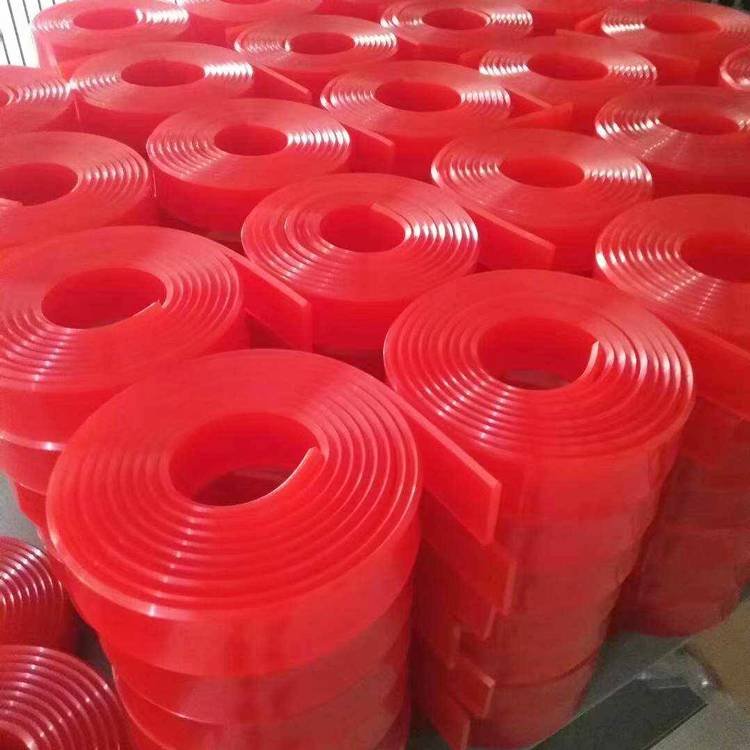
Polyurethane is a highly versatile polymer material produced through reactions between polyols and isocyanates. Depending on the formulation, polyurethane can be soft, rigid, flexible, or elastomeric.
Unlike polyester, polyurethane is widely used in applications that require abrasion resistance, elasticity, cushioning, and mechanical durability.
Common polyurethane products include:
- Industrial rollers
- Polyurethane wheels
- TPU belts
- PU sheets
- Seals and gaskets
- Flexible tubing
- Shock absorbers
- Industrial wear parts
Polyurethane materials are widely known for:
- Excellent flexibility
- High abrasion resistance
- Impact resistance
- Oil resistance
- Shock absorption
- Long service life
Because of these properties, polyurethane is widely used in dynamic industrial environments involving friction, vibration, and repeated mechanical movement.
To better understand polyurethane materials, properties, and industrial applications, you can also read our complete guide to polyurethane products.
Polyester vs Polyurethane: Key Differences
Chemical Structure
Polyester is an ester-based polymer mainly designed for fibers, films, and structural materials.
Polyurethane is formed through urethane linkages, allowing it to achieve a much wider range of flexibility, hardness, and mechanical performance.
This structural difference is one of the main reasons polyurethane can function as both a soft elastomer and a rigid engineering material.
Flexibility and Elasticity
Polyurethane is significantly more flexible and elastic than polyester.
Polyester materials are generally more rigid and dimensionally stable, which makes them suitable for fabrics and reinforcement layers.
Polyurethane performs better in applications requiring:
- Shock absorption
- Repeated compression
- Vibration resistance
- Dynamic load handling
This is why polyurethane is commonly used in industrial wheels, rollers, seals, and suspension-related components.
Abrasion Resistance
One of the biggest advantages of polyurethane is abrasion resistance.
Polyurethane performs exceptionally well in environments involving:
- Sliding friction
- Rolling movement
- Heavy wear
- Material handling
As a result, polyurethane is widely used in industrial wheels, conveyor rollers, mining equipment, and screening systems.
Polyester can provide good durability in lightweight applications, but it is generally less suitable for high-wear industrial environments.
Waterproof Performance
Polyester is naturally moisture resistant but not fully waterproof.
To improve waterproof performance, many polyester fabrics are coated with polyurethane. This creates PU-coated polyester materials commonly used in outdoor products, industrial covers, tents, and protective fabrics.
In these products:
- Polyester provides structural strength
- Polyurethane provides waterproofing and flexibility
Durability in Industrial Applications
Polyester performs well in lightweight structural applications where dimensional stability is important.
Polyurethane performs better in demanding industrial environments involving:
- Continuous friction
- Repeated movement
- Mechanical impact
- Heavy loads
Because of its flexibility and wear resistance, polyurethane components often achieve longer service life in industrial systems.
How Polyester and Polyurethane Work Together in Industry
Polyester and polyurethane are often combined in industrial products to balance strength, flexibility, and durability.
For example, conveyor belts commonly use polyester reinforcement layers to provide tensile strength and dimensional stability. Polyurethane is then added as the outer surface to improve abrasion resistance and flexibility.
This combination is also widely used in:
- Industrial fabrics
- Flexible tubing
- Protective covers
- Transmission belts
- Conveyor systems
Instead of replacing each other, polyester and polyurethane often serve different functions within the same product.
What Does Polyester Polyurethane Mean?
“Polyester polyurethane” refers to polyurethane materials produced using polyester polyols during manufacturing.
It does not mean polyester and polyurethane are the same material.
Compared with polyether-based polyurethane, polyester polyurethane generally offers:
- Better abrasion resistance
- Higher mechanical strength
- Better oil resistance
Because of these properties, polyester-based polyurethane is commonly used in industrial rollers, wheels, belts, and heavy-duty wear components.
Which Material Should You Choose?
Polyester and polyurethane are designed for different applications rather than directly competing with each other.
Polyester is more suitable for lightweight structural materials, reinforcement layers, and fabric-based products.
Polyurethane is typically preferred for industrial applications requiring flexibility, abrasion resistance, impact absorption, and long-term mechanical durability.
In many industrial systems, the two materials are combined to improve both structural strength and wear performance.
FAQs
Is polyurethane stronger than polyester?
For wear resistance, flexibility, and impact performance, polyurethane is generally stronger in industrial applications. Polyester performs better in lightweight structural and reinforcement applications.
Is polyester waterproof?
Polyester is water resistant but not completely waterproof. Polyurethane coatings are often added to improve waterproof performance.
Why is polyurethane used on polyester fabric?
Polyurethane coatings improve waterproofing, flexibility, abrasion resistance, and surface durability, while polyester provides structural strength.
Which material lasts longer?
In high-friction and dynamic industrial environments, polyurethane usually lasts longer because it resists wear and impact more effectively.
Is polyurethane more flexible than polyester?
Yes. Polyurethane is significantly more flexible and elastic than polyester, making it more suitable for wheels, rollers, belts, seals, and cushioning applications.
Conclusion
Polyester and polyurethane are different materials with different industrial purposes. Polyester is mainly used for lightweight structural and fabric applications, while polyurethane is preferred for flexibility, abrasion resistance, and mechanical durability.
In many modern industrial products, the two materials are combined to improve both strength and long-term performance.
Need help selecting the right polyurethane material for your application? Contact our team pengde2@pengde-pu.com today for customized PU product solutions and technical support.

