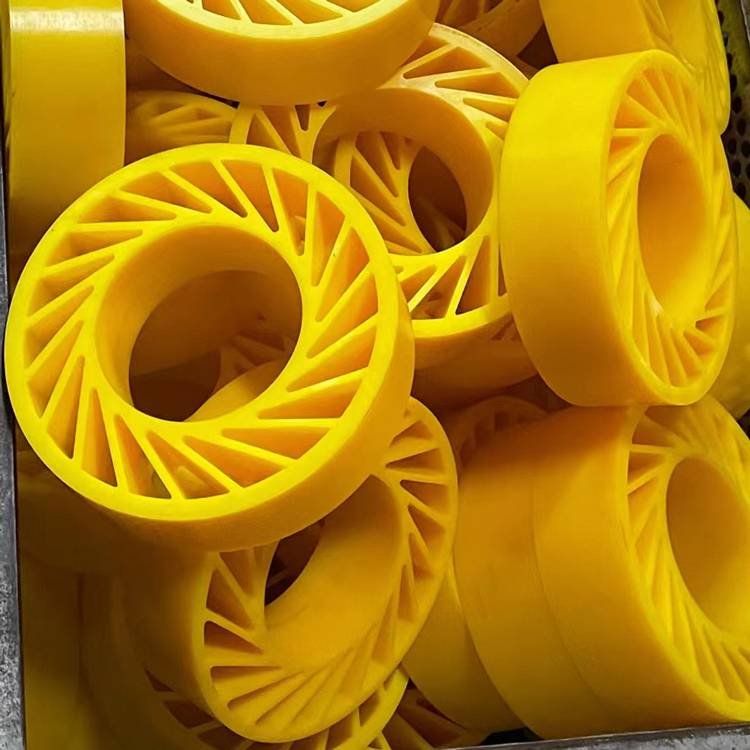
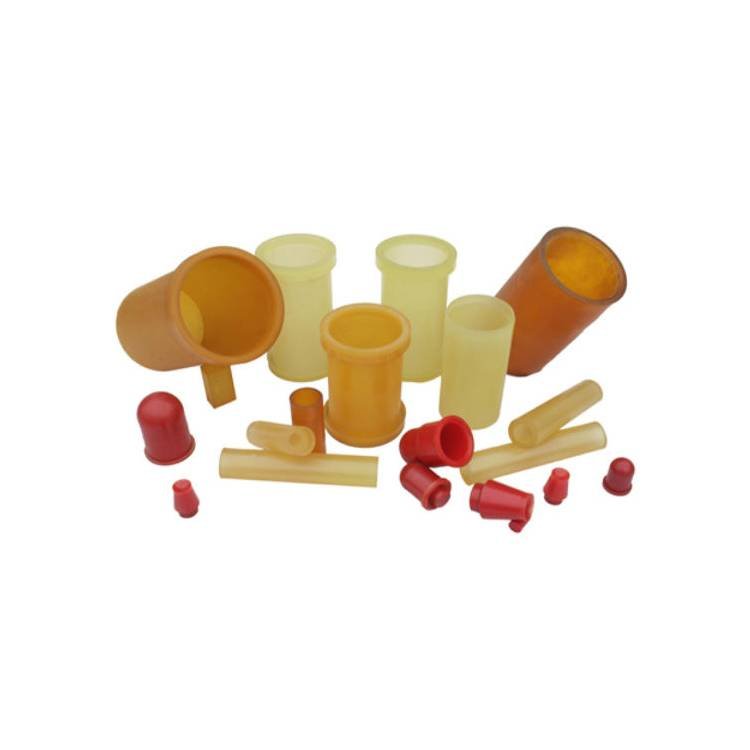
When selecting materials for industrial applications, chemical resistance is crucial—especially when exposed to oils, fuels, solvents, acids, or water. Polyurethane rubber (PU rubber) is a durable, versatile material that maintains strength and integrity in harsh chemical environments. In this guide, we’ll cover how polyurethane rubber reacts to different chemicals, which formulations offer the best protection, and practical application tips for your industry.
What Is Chemical Resistance in Polyurethane Rubber?
Chemical resistance refers to a material’s ability to maintain its mechanical and structural properties when exposed to chemicals. Polyurethane rubber’s unique molecular structure allows it to resist many aggressive substances. However, its performance depends on formulation, exposure time, chemical concentration, and temperature. Choosing the right PU rubber for your environment ensures durability, reduces maintenance, and lowers replacement costs.
Polyurethane’s General Chemical Resistance Profile
The table below summarizes the typical chemical resistance of polyurethane rubber. It shows which substances PU rubber can withstand effectively and which chemicals require caution or special formulations. This helps in selecting the right material for your industrial application.
| Chemical Category | Resistance Level | Notes |
|---|---|---|
| Oils & Greases | Excellent | Especially mineral oils and petroleum-based |
| Solvents (e.g., alcohols) | Good to Moderate | Short-term exposure is usually acceptable |
| Acids (diluted) | Moderate | Better resistance to weak organic acids |
| Alkalis (mild) | Good | Depends on concentration |
| Water & Humidity | Excellent | Non-porous, does not swell or degrade easily |
| Hydrocarbons | Very Good | Resistant to aliphatic hydrocarbons |
| Strong Acids & Bases | Limited | Avoid prolonged contact with strong chemicals |
| Ozone/UV Exposure | Good | Can be improved with stabilizers |
Applications Requiring Chemical Resistance
Common industrial applications of polyurethane rubber include:
- Seals and gaskets in chemical plants – PU rubber maintains integrity when exposed to oils, acids, and solvents.
- Protective linings for tanks and pipes – Resistant to abrasion and chemical attack, prolonging service life.
- Oil-resistant rollers and bushings – Suitable for conveyors, presses, and machinery exposed to lubricants.
- Abrasion-resistant sheets for mining and automotive industries – Combines wear resistance with chemical protection.
- Hydraulic seals exposed to oil and fluid mixtures – Ensures stable operation without swelling or degradation.
Why Choose Polyurethane Over Other Materials?
Polyurethane rubber outperforms traditional rubber materials (natural rubber, nitrile) in many industrial settings due to:
- Superior abrasion and wear resistance – Lasts longer under mechanical stress.
- High load-bearing capacity – Maintains shape and performance under heavy loads.
- Chemical and moisture resistance – Resists oils, fuels, and hydrolysis better than most rubbers.
- Longer service life – Reduces replacement frequency and maintenance costs.

Custom Formulations from PENGDE NEW MATERIAL TECHNOLOGY CO., LTD
At PENGDE NEW MATERIAL TECHNOLOGY CO., LTD, we provide custom polyurethane rubber solutions engineered for specific chemical environments. Our PU sheets can be tailored for:
- Enhanced oil and solvent resistance
- Increased thermal and hydrolytic stability
- Anti-static or flame-retardant requirements
- Shore hardness customization (Shore A or D)
We offer global OEM/ODM support to deliver chemical-resistant PU rubber sheets for industrial applications.
Need Technical Support?
Unsure which polyurethane rubber formulation suits your chemical environment? Our technical team can evaluate your operating conditions and recommend the optimal chemical-resistant PU rubber sheet for maximum performance.
Contact us today for professional guidance and a free quote.
Email: pengde2@pengde-pu.com
Company: PENGDE NEW MATERIAL TECHNOLOGY CO., LTD