


Selecting the correct polyurethane sheet thickness is just as important as choosing the right hardness. A sheet that is too thin may wear out quickly or fail under heavy loads, while an unnecessarily thick sheet can increase material costs without improving performance.
So, how thick should a polyurethane sheet be? The answer depends on your application, working load, impact level, and operating environment.
This guide explains how to choose the ideal polyurethane sheet thickness for various industrial applications.
Why Does Polyurethane Sheet Thickness Matter?
The thickness of a polyurethane sheet directly affects its performance in industrial applications.
Choosing the appropriate thickness helps:
- Improve wear resistance
- Increase load-bearing capacity
- Enhance shock absorption
- Extend service life
- Reduce maintenance costs
- Optimize material costs
Instead of selecting the thickest sheet available, buyers should match the thickness to the specific operating conditions.
Standard Polyurethane Sheet Thickness
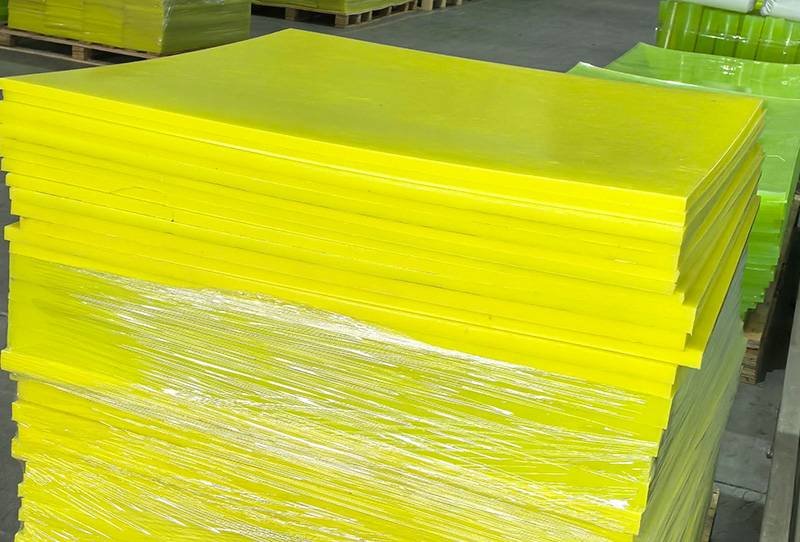
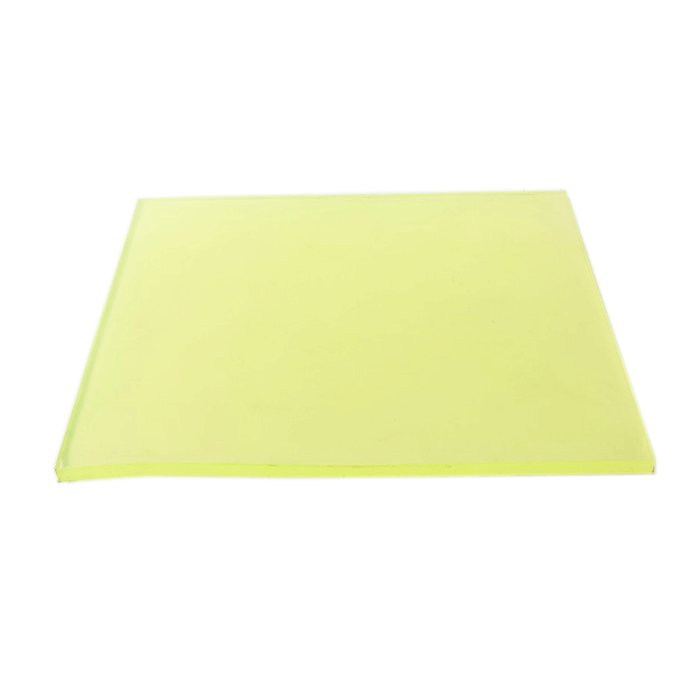
PENGDE manufactures polyurethane sheets in thicknesses ranging from 0.5 mm to 100 mm, covering everything from light-duty protective layers to heavy-duty industrial applications.
Available thickness range:
- 0.5–5 mm
- 5–20 mm
- 20–50 mm
- 50–100 mm
Custom thicknesses are also available for specialized applications.
How to Choose the Right Thickness
0.5–5 mm: Thin Polyurethane Sheets
Thin polyurethane sheets are lightweight and easy to fabricate. They are commonly used where flexibility and surface protection are more important than supporting heavy loads.
Typical applications:
- Protective liners
- Surface protection
- Gaskets
- Light-duty wear strips
- Machine guards
Advantages:
- Flexible
- Easy to cut and install
- Cost-effective
- Suitable for light mechanical stress
5–20 mm: Medium-Thickness Polyurethane Sheets
This thickness range is the most commonly used because it offers a good balance between flexibility and strength.
Typical applications:
- Cushioning pads
- Machine buffer components
- Vibration isolation pads
- General industrial equipment
- Automotive manufacturing
Advantages:
- Excellent elasticity
- Good impact resistance
- Suitable for medium-duty industrial use
20–50 mm: Heavy-Duty Polyurethane Sheets
Thicker polyurethane sheets provide increased durability and better performance under high loads and repeated impacts.
Typical applications:
- Punch press die pads
- Wear plates
- Heavy machinery
- Material handling equipment
- Industrial presses
Advantages:
- High load-bearing capacity
- Excellent shock absorption
- Longer service life
50–100 mm: Extra-Thick Polyurethane Sheets
Extra-thick polyurethane sheets are designed for demanding industrial environments where equipment experiences severe impact or continuous heavy loads.
Typical applications:
- Mining equipment
- Large industrial presses
- Heavy-duty buffer blocks
- High-impact machinery
- Custom industrial components
Advantages:
- Maximum durability
- Superior impact resistance
- Excellent wear performance
Polyurethane Sheet Thickness Selection Guide
The table below provides general recommendations for selecting polyurethane sheet thickness.
| Thickness | Typical Applications | Performance Characteristics |
|---|---|---|
| 0.5–5 mm | Protective liners, gaskets, light-duty wear strips | Flexible and lightweight |
| 5–20 mm | Cushioning pads, vibration isolation, machine buffers | Balanced flexibility and strength |
| 20–50 mm | Die pads, wear plates, industrial machinery | High load capacity and impact resistance |
| 50–100 mm | Mining equipment, heavy machinery, custom components | Maximum durability for demanding applications |
Other Factors That Affect Thickness Selection
Thickness should always be considered alongside other factors.
Working Load
Heavier loads generally require thicker polyurethane sheets to prevent excessive deformation and ensure long-term performance.
Impact Frequency
Applications involving repeated impacts benefit from thicker sheets because they absorb more energy and reduce stress on equipment.
Wear Conditions
For applications with constant friction or abrasive materials, additional thickness can extend the service life of the polyurethane sheet.
Hardness
Thickness and hardness work together.
For example:
- A soft 50A polyurethane sheet may need to be thicker to support the same load.
- A hard 90A polyurethane sheet can often achieve the required performance with a thinner section.
Selecting the right combination of hardness and thickness is more effective than focusing on either factor alone.
Installation Space
Some machines have limited installation clearance, making it necessary to balance performance with available space.
Should You Always Choose a Thicker Polyurethane Sheet?
Not necessarily.
Although thicker sheets generally offer higher load capacity and longer wear life, they also:
- Increase material costs
- Add weight
- May reduce flexibility
- Can require additional machining
The most cost-effective solution is to select the minimum thickness that provides reliable performance for your application.
Why Choose PENGDE Polyurethane Sheets?
PENGDE manufactures premium polyurethane sheets designed for demanding industrial applications.
We offer:
- Thicknesses from 0.5 mm to 100 mm
- Hardness from 45A to 98A
- Standard and custom sheet sizes
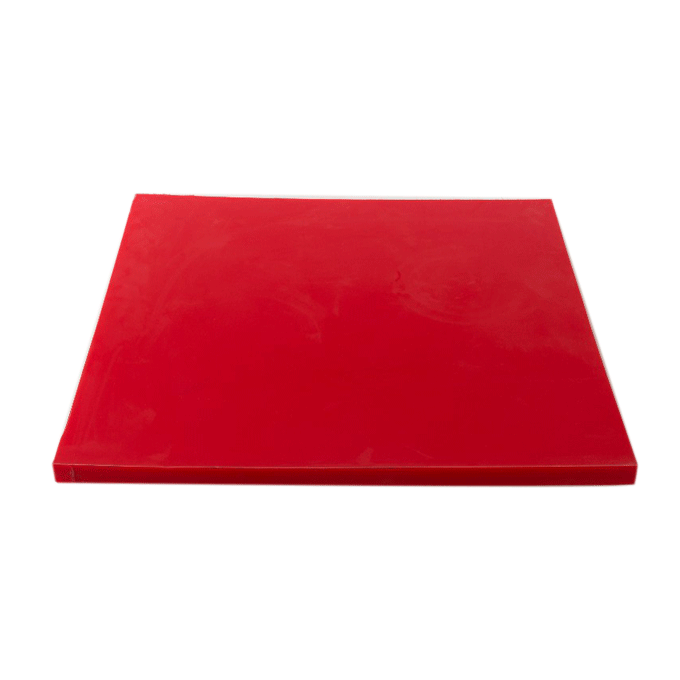
- Multiple color options
- Stable product quality
- Custom manufacturing services
Whether you need thin protective liners or extra-thick industrial die pads, PENGDE can provide a solution tailored to your requirements.
Conclusion
There is no single “best” polyurethane sheet thickness. The ideal thickness depends on your application, working load, impact level, wear conditions, available installation space, and the selected hardness.
By considering these factors together, you can improve equipment performance, extend service life, and avoid unnecessary material costs.
PENGDE supplies high-quality polyurethane sheets in a wide range of thicknesses, hardness levels, and dimensions for industries including mining, metalworking, automotive manufacturing, and heavy machinery. If you need assistance selecting the right polyurethane sheet for your application, our experienced team is here to help.
For technical support or a customized quotation, please contact PENGDE at pengde2@pengde-pu.com.

