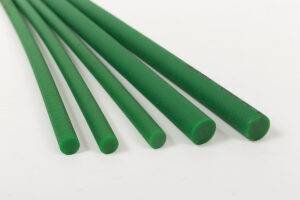
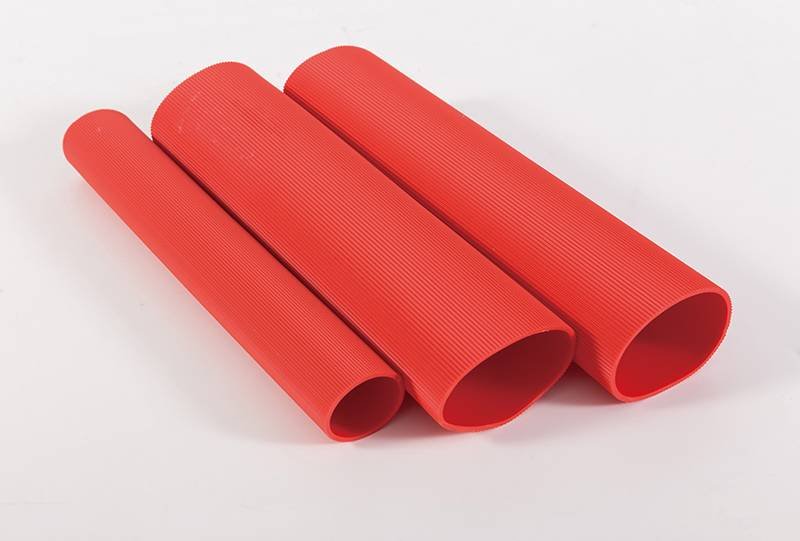
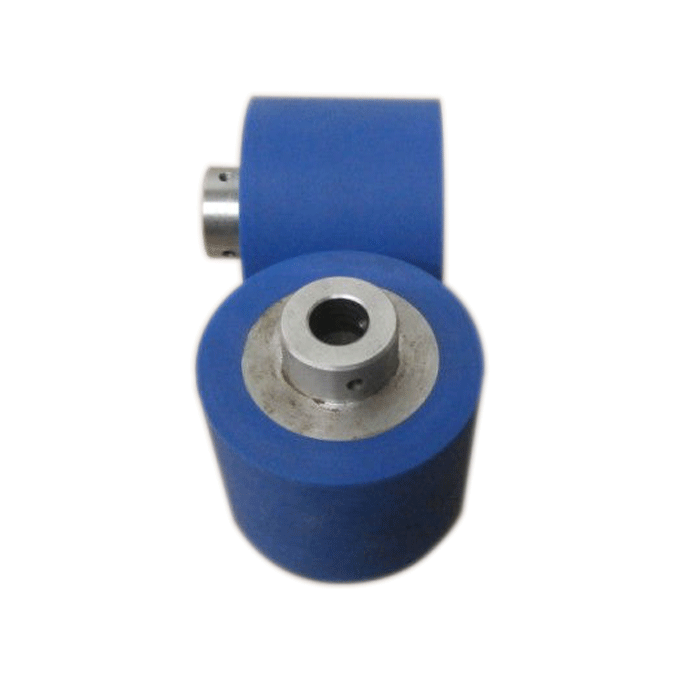
Polyurethane elastomer, also known as PU elastomer, is an elastic polymer similar to rubber. It is widely used in industrial, automotive, and construction applications due to its flexibility, durability, and chemical resistance. Polyurethanes in general have a history since 1937, when Friedrich Byer, A German chemist discovered the first form of Polyurethane. The Polyurethane grit then was called Perlou U. However, the first successful Polyurethane Elastomer was produced in 1940.
In this article, we explore the key properties, applications, and safety of PU elastomers to help you make informed decisions.
Properties of Polyurethane Elastomer
Polyurethane Elastomer comes with the following characteristics
- Elasticity – PU elastomer can withstand pressure, friction, and deformation, making it ideal for resilient components.
- Versatility – Can be remolded into different shapes for customized industrial parts.
- Durability – Long-lasting even in high-stress applications.
- Extreme Resilience – Resists pressure and impact, suitable for machinery and automotive parts.
- Tear Resistance – Prevents easy tearing under mechanical stress.
- High Tensile Strength – Maintains shape and integrity under tension.
- Polymer Chain Structure – Long polymer chains enable recovery to original shape without damage.
The long chain of polymers; Because of the elastic properties that Polyurethane Elastomer has, it has a long chain of polymers that are glued together via a very weak inter-molecular pressure.
This chain helps it to always go back to its original state without breaking and can withstand any pressure
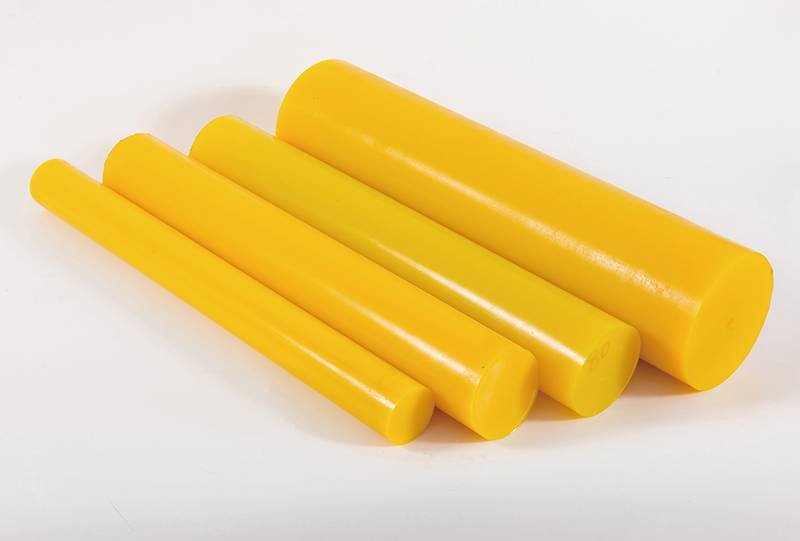
Application of Polyurethane Elastomer
PU elastomers are used across industries where durability, elasticity, and chemical resistance are critical. Key applications include:
- Damage-Resistant Molded Parts – Ideal for components exposed to extreme weather, chemicals, or natural wear, including industrial machine parts and automotive components.
- High-Speed Equipment Components – Used in rollers, gears, wheels, and vehicle panels requiring high tensile strength and tear resistance.
- Home and Industrial Insulation – Provides thermal and sound insulation for walls, floors, roofs, and pipes, improving energy efficiency and reducing operational costs.
- Consumer and Protective Products – PU elastomers are used in protective gear, shock-absorbing pads, and durable consumer goods due to their flexibility and impact resistance.
- Environmentally Friendly Applications – Halogen-free, low VOC emissions, and non-toxic when cured, making PU elastomers safe for indoor and outdoor environments.
Polyurethane Elastomer has come to stay as one of the polymers that can be used in the production of different things. It exhibits exceptional characteristics of being flexible, tough and long-lasting.
Safety and Environmental Considerations
PU elastomers are generally safe when used in their cured form. Key safety features include:
- Non-Toxic After Curing – Once fully cured, PU elastomers do not release harmful substances, making them safe for industrial and consumer applications.
- Chemical Resistance – Resistant to oils, greases, and many industrial chemicals.
- Environmental Responsibility – Halogen-free and low in volatile organic compounds (VOCs), minimizing environmental impact.
- Customizable for Safety – Can be formulated for specific hardness, flexibility, and color, meeting diverse industry requirements.
Proper handling is required in the liquid/uncured state, but finished PU elastomers are stable, reliable, and widely recognized as safe materials.
Conclusion
Polyurethane elastomer (PU elastomer) is a highly versatile, durable, and elastic material suitable for industrial, automotive, construction, and consumer applications. With outstanding tear resistance, tensile strength, and environmental safety, PU elastomers provide reliable solutions across multiple sectors.
For further questions, please contact us at pengde2@pengde-pu.com.