


Polyurethane tubing, also known as PU tubing or PUR tubing, is one of the most versatile flexible tubing materials used across pneumatic systems, automation equipment, robotics, medical devices, and industrial machinery.
Engineers choose polyurethane tubing for its excellent flexibility, high abrasion resistance, strong tensile strength, and reliable pressure performance. However, selecting the right type and understanding its limitations are critical for long-term system stability.
This complete guide covers material types, specifications, applications, performance advantages, common failure causes, and professional selection advice.
What Is Polyurethane Tubing?
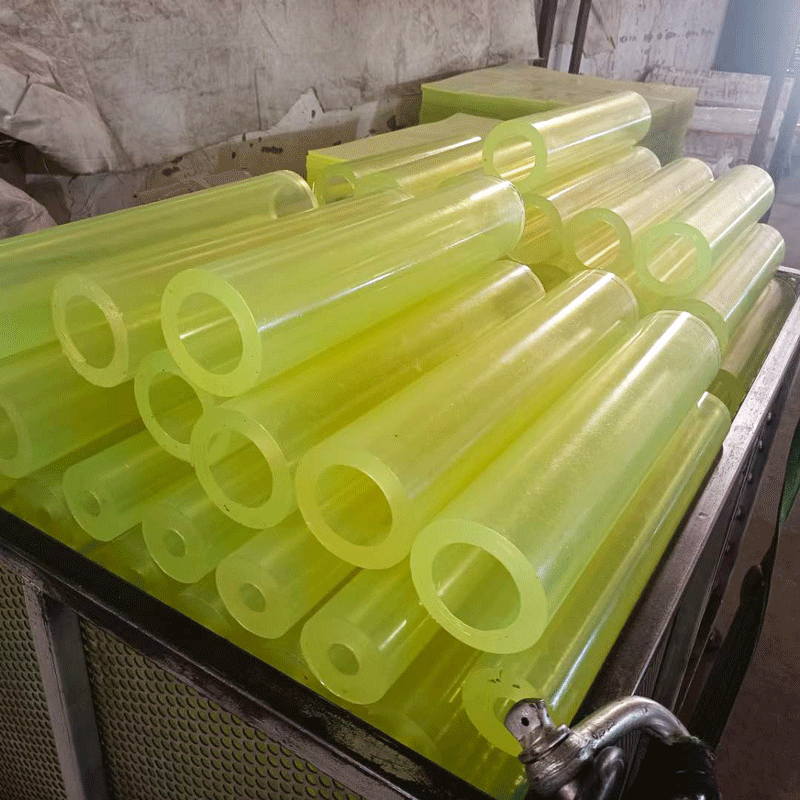
Polyurethane tubing is a thermoplastic elastomer-based flexible tube manufactured from either ester-based or ether-based polyurethane compounds.
It combines:
- Rubber-like elasticity
- Plastic-like strength
- High tear resistance
- Superior flex fatigue performance
Compared with PVC or nylon tubing, polyurethane tubing offers greater flexibility while maintaining structural integrity under dynamic conditions.
Types of PU / PUR Tubing
Understanding material type is essential for global applications.
1️⃣ Ester-Based Polyurethane Tubing
- Higher abrasion resistance
- Better oil resistance
- Strong mechanical strength
- Suitable for dry industrial environments
2️⃣ Ether-Based Polyurethane Tubing
- Superior hydrolysis resistance
- Better performance in humid environments
- Enhanced low-temperature flexibility
- Ideal for water contact or outdoor use
In European markets, PUR tubing often refers to the same material class, but specifications may vary based on formulation.
Key Technical Specifications of Polyurethane Tubing
When evaluating polyurethane tubing, engineers typically assess:
Shore Hardness
Common range: 70A–98A
Higher hardness = stronger pressure resistance
Lower hardness = better flexibility
Working Pressure & Burst Pressure
Pressure rating depends on wall thickness and diameter.
Always calculate based on operating temperature.
Temperature Range
Typical range:
-40°C to +80°C
Special formulations may exceed this range.
Tensile Strength & Elongation
Critical for dynamic movement and robotic systems.
Chemical Compatibility
Resistance varies depending on ester or ether base.
Applications of Polyurethane Tubing
Polyurethane tubing is widely used in:
Pneumatic Systems
Air lines in automation, CNC machinery, and robotics.
Industrial Fluid Transfer
Oil, grease, and mild chemical transport.
Automotive Applications
Fuel vapor systems and flexible air ducts.
Medical Equipment
Low-pressure fluid transfer in regulated environments.
Food Processing Equipment
When compliant formulations are used.
Advantages Over PVC and Nylon Tubing
Compared to PVC tubing:
- More flexible
- Better abrasion resistance
- Higher tear strength
Compared to nylon tubing:
- Greater elasticity
- Better kink resistance
- Improved vibration absorption
For dynamic applications, polyurethane tubing often delivers longer service life.
Common Problems and Solutions
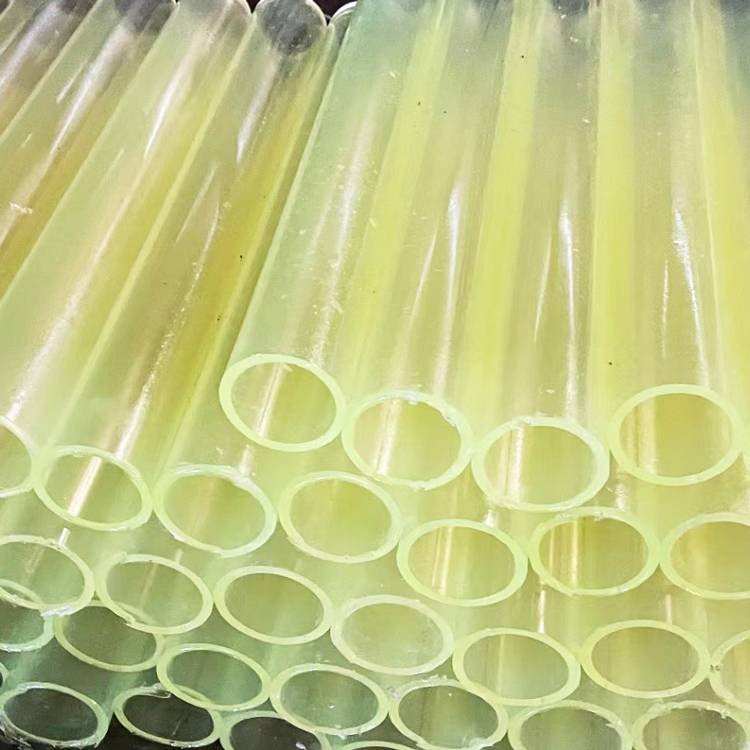
Even high-quality polyurethane tubing can experience performance issues if improperly selected or installed.
Cracking or Splitting
Usually caused by:
- Excessive bending radius
- Material fatigue under pressure cycles
- UV exposure without stabilization
Solution:
- Select correct hardness and wall thickness
- Use UV-stabilized formulations for outdoor use
- Avoid overextension during installation
Leakage or Pressure Loss
Often related to:
- Incorrect fittings
- Surface wear
- Micro-fractures from cyclic pressure
Solution:
- Use compatible connectors
- Perform pressure validation tests
- Replace tubing showing early wear
Hardening Over Time
May result from:
- Thermal aging
- Chemical exposure
- Long-term UV radiation
Solution:
- Choose temperature-rated formulations
- Avoid incompatible media
- Schedule preventive replacement cycles
Chemical Degradation
Strong acids, solvents, or oxidizers may damage certain polyurethane grades.
Solution:
- Verify chemical compatibility charts
- Select ether-based PU for hydrolysis resistance
- Use protective shielding in harsh environments
Abrasion Wear
High-friction routing can gradually thin tube walls.
Solution:
- Use abrasion-resistant grades
- Install routing supports
- Optimize tube path design
How to Choose the Right Polyurethane Tubing
Selecting the right PU tubing requires evaluating:
Operating Pressure
Always include safety factor above working pressure.
Environmental Conditions
Humidity, UV exposure, and temperature fluctuations.
Media Compatibility
Oil, water, compressed air, chemicals.
Movement Frequency
Dynamic robotics require high flex-fatigue resistance.
Regulatory Requirements
Medical or food-grade certifications if needed.
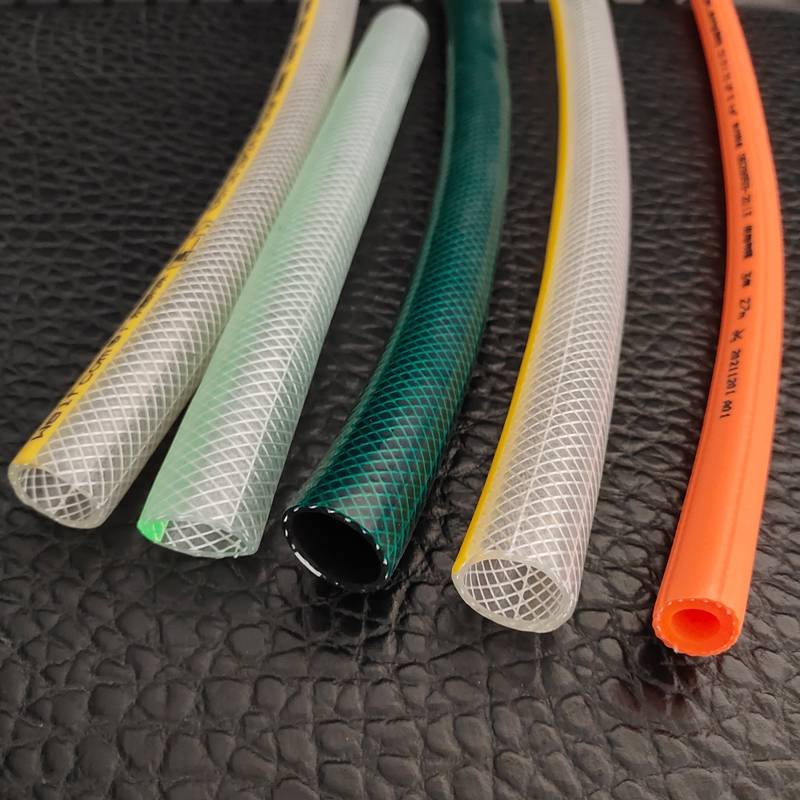
Professional suppliers can customize hardness, wall thickness, and color to match application needs.
Why Engineers Choose PENGDE Polyurethane Tubing
With over 15 years of polyurethane material manufacturing experience, PENGDE provides:
- Customized hardness options
- Precision extrusion control
- Strict quality testing procedures
- Stable global supply capability
- OEM and ODM solutions
Our polyurethane tubing is engineered for durability, reliability, and performance consistency in demanding industrial environments.
For technical consultation or customized solutions, contact us:
Email: pengde2@pengde-pu.com
Company: PENGDE NEW MATERIAL TECHNOLOGY CO., LTD

