In industrial equipment operations, sealing systems are often one of the most overlooked yet critical components. Many factories encounter common issues such as:
- Rapid gasket wear and surface damage
- Leakage under high pressure
- Permanent deformation after long-term compression
- Material failure caused by oils and chemical exposure
These problems not only increase maintenance costs but can also lead to production downtime, reduced product quality, and even safety risks.
Polyurethane gaskets have emerged as a high-performance sealing solution specifically designed for harsh industrial conditions. With outstanding wear resistance, excellent elastic recovery, and superior mechanical strength, PU gaskets are increasingly replacing traditional rubber seals across many industries.
What Are Polyurethane Gaskets?
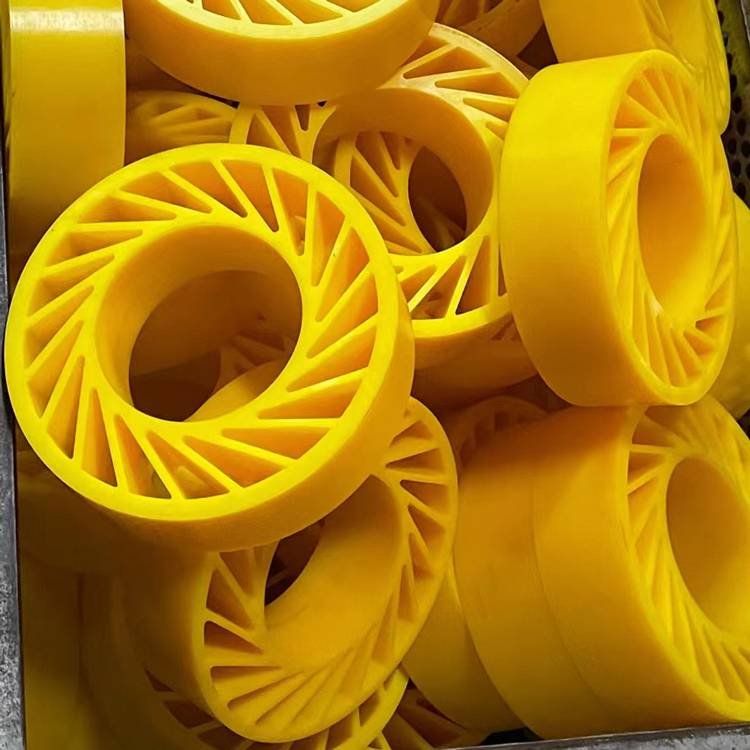
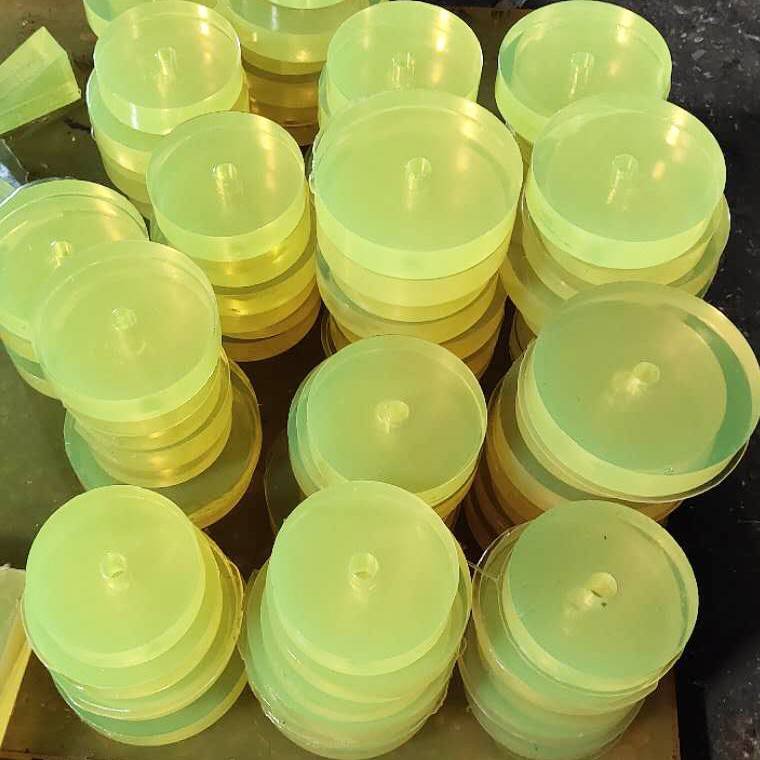
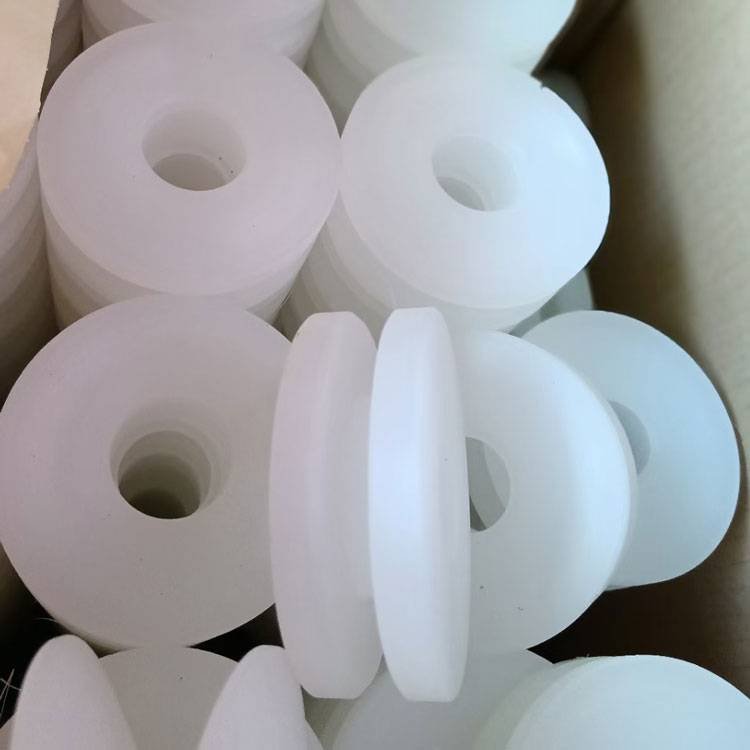
Polyurethane gaskets are sealing components manufactured from high-performance polyurethane elastomers through precision molding or casting processes.
Material Structure
Polyurethane materials consist of a unique molecular structure combining:
- Soft segments that provide flexibility and elasticity
- Hard segments that deliver strength and abrasion resistance
This structure allows polyurethane gaskets to offer:
- Rubber-like flexibility
- Engineering plastic-level durability
Sealing Mechanism
Once installed and compressed, polyurethane gaskets:
- Elastically deform to fill sealing gaps
- Create a continuous sealing surface
- Maintain stable sealing pressure over long periods
Even under vibration and heavy loads, they continue to perform reliably.
Key Performance Advantages of Polyurethane Gaskets
1. Exceptional Wear Resistance for High-Friction Applications
In conveyor systems, rotating shafts, and vibrating machinery, sealing components are exposed to constant friction and impact.
Polyurethane typically delivers 3 to 10 times the wear resistance of natural rubber.
Why it works:
- High molecular strength
- Excellent tear resistance
Result:
- Minimal surface degradation
- Reduced edge cracking
- Significantly longer service life
2. Excellent Compression Set Resistance for Long-Term Sealing
Traditional rubber gaskets often suffer from:
❌ Hardening over time
❌ Loss of elasticity
❌ Permanent deformation
High-quality polyurethane gaskets feature:
- Low compression set values
- Strong elastic recovery after prolonged pressure
Industrial benefit:
They maintain reliable sealing force for months or even years of continuous operation.
3. Strong Resistance to Oils and Industrial Chemicals
Polyurethane gaskets are commonly exposed to:
- Hydraulic oils
- Lubricants
- Coolants
- Mild acids and alkalis
PU materials resist swelling, cracking, and chemical degradation.
Practical advantage:
- Dimensional stability
- Consistent performance over time
4. High Load Capacity and Impact Resistance
Compared with rubber materials, polyurethane offers higher compressive strength and structural integrity, enabling it to:
- Withstand high sealing pressures
- Absorb mechanical shock loads
This also provides a cushioning effect that protects sealing surfaces and equipment components.
5. Customizable Hardness and Performance Properties
One of the major advantages of polyurethane gaskets is their adjustable material properties.
Typical hardness range:
- Shore A 60 to 95
Recommended hardness by application:
| Application Condition | Suggested Hardness |
|---|---|
| Low-pressure sealing | 60–70 Shore A |
| Medium-pressure systems | 75–85 Shore A |
| High-pressure environments | 85–95 Shore A |
This flexibility allows PU gaskets to be optimized for specific operating conditions.
Common Industrial Applications of Polyurethane Gaskets
Ceramic Machinery
Used in:
- Hydraulic press sealing
- Conveyor system joints
Challenges: high pressure, dust, vibration
PU advantage: superior wear resistance and long-term elasticity
Automation and Conveyor Equipment
Applied in:
- Shaft sealing
- Flange connections
Challenges: continuous operation and high friction
PU advantage: extended service life and reduced maintenance
Packaging and Processing Machinery
Used for:
- Pneumatic system seals
- Fluid transfer sealing points
Benefits: oil resistance, durability, and aging resistance
Heavy Industrial Equipment
Used in:
- Hydraulic systems
- High-load sealing connections
Benefits: high pressure resistance and long-term reliability
Common Sealing Failures and How Polyurethane Gaskets Solve Them
Issue 1: Rapid Wear
Cause: high friction environments
Polyurethane’s superior abrasion resistance significantly extends lifespan
Issue 2: Leakage After Long-Term Compression
Cause: rubber compression deformation
PU maintains elasticity and sealing force
Issue 3: Swelling from Oils and Chemicals
Cause: poor material resistance
Polyurethane remains dimensionally stable
Issue 4: Structural Failure Under High Load
Cause: insufficient material strength
PU provides high load-bearing capacity
Polyurethane Gaskets vs Traditional Sealing Materials
| Performance Factor | Polyurethane Gaskets | Rubber | Silicone |
|---|---|---|---|
| Wear Resistance | ★★★★★ | ★★☆☆☆ | ★☆☆☆☆ |
| Load Capacity | ★★★★★ | ★★★☆☆ | ★★☆☆☆ |
| Service Life | ★★★★★ | ★★☆☆☆ | ★★☆☆☆ |
| Oil Resistance | ★★★★★ | ★★☆☆☆ | ★★★☆☆ |
| Cost Efficiency | High | Medium | Low |
How to Select the Right Polyurethane Gasket
For optimal sealing performance, customers should consider:
- Operating pressure
- Temperature range
- Type of fluid or chemical exposure
- Gasket dimensions and tolerances
- Static or dynamic sealing requirements
Proper selection helps prevent:
❌ Premature failure
❌ Overdesign and unnecessary cost
Why Choose PENGDE for Custom Polyurethane Gaskets
With over 15 years of experience in polyurethane manufacturing, PENGDE offers:
- Precision molding and casting processes
- Customized PU formulations for specific environments
- Strict quality control and performance testing
- Flexible production from prototypes to mass orders
Our product range includes:
- Standard sealing gaskets
- Custom-shaped polyurethane gaskets
- Heavy-duty industrial sealing solutions
FAQ
Q1: Can polyurethane gaskets be used in high-temperature environments?
Typically, polyurethane gaskets operate between -30°C and 80–120°C depending on formulation. High-temperature-resistant PU can be custom developed.
Q2: Are polyurethane gaskets more expensive than rubber gaskets?
Initial cost may be slightly higher, but longer service life significantly reduces total maintenance costs.
Q3: Are PU gaskets suitable for dynamic sealing applications?
Yes, especially in high-friction and high-load environments.
Q4: How long is the lead time for custom polyurethane gaskets?
Standard items are available quickly, while custom designs depend on complexity and production volume.
Conclusion
In demanding industrial environments where wear, pressure, and chemical exposure are constant challenges, polyurethane gaskets provide a reliable, long-lasting sealing solution. Their superior durability, elastic recovery, load capacity, and chemical resistance make them an ideal upgrade from traditional sealing materials.
With proper material selection and custom engineering, PU gaskets significantly improve equipment performance and reduce maintenance costs.
Backed by extensive polyurethane manufacturing expertise, PENGDE is committed to delivering high-quality polyurethane gaskets tailored to meet diverse industrial requirements worldwide. Contact us at pengde2@pengde-pu.com.