As industries strive for more sustainable practices, the recycling of polyurethane (PU) has become essential in promoting a circular economy. Polyurethane is used extensively in products ranging from flexible foams to rigid coatings and adhesives. However, with millions of tons of PU products discarded annually, finding ways to recycle and repurpose this versatile material is crucial for reducing waste and conserving resources.
This article dives into the importance of polyurethane recycling, exploring the methods, benefits, and impact on sustainable manufacturing.

The Importance of Polyurethane Recycling
Polyurethane offers high durability and versatility, but like many synthetic materials, it poses disposal challenges. Traditional waste management approaches, such as landfilling or incineration, are unsustainable due to environmental impact and limited landfill capacity. Recycling PU helps to minimize waste, reduce reliance on fossil fuels, and lower greenhouse gas emissions associated with the production of new materials.
- Environmental Impact: Recycling PU reduces waste in landfills, conserves resources, and decreases the need for virgin raw materials.
- Sustainability Goals: Embracing polyurethane recycling aligns with corporate social responsibility (CSR) and global sustainability goals, such as the United Nations’ Sustainable Development Goals (SDGs).
Why It Matters: By recycling polyurethane, manufacturers contribute to a more sustainable future, supporting resource conservation and lowering the environmental footprint of PU products.

Methods of Polyurethane Recycling
Polyurethane can be recycled through several methods, each suited to specific PU types and applications. Here are the most common recycling methods used to repurpose polyurethane:
1. Mechanical Recycling
- Shredding PU waste into small particles for reconstituted foam
- Applications: carpet underlay, insulation, soundproofing
2. Chemical Recycling
- Depolymerization into polyols and isocyanates for high-performance PU
- Applications: automotive components, industrial parts
3. Feedstock Recycling
- Thermal decomposition to produce syngas and oil
- Applications: fuel, raw materials for new polymers
4. Rebonding
- Shredded PU foam bonded under pressure to form durable materials
- Applications: mats, packaging, sound insulation
Environmental & Economic Impact of PU Recycling Methods
- Mechanical: Low-energy, suitable for flexible PU foams
- Chemical: Closed-loop recycling, preserves material quality
- Feedstock: Energy recovery, reduces virgin raw material use
- Rebonding: Simple, cost-effective, extends product lifecycle
Quantitative Environmental Impact of PU Recycling
Recycling polyurethane significantly reduces environmental impact compared to producing new PU materials:
- Energy Savings: Mechanical recycling of PU foams consumes up to 60% less energy than producing new foam from virgin raw materials.
- Carbon Footprint Reduction: Using recycled PU can reduce CO₂ emissions by 40–50% per ton of material.
- Waste Diversion: Every ton of recycled PU prevents approximately 0.8–1 ton of waste from entering landfills.
These figures highlight that adopting PU recycling not only aligns with sustainability goals but also provides measurable environmental benefits.
Benefits of Polyurethane Recycling
Recycling polyurethane offers multiple advantages for both the environment and the economy, making it a critical step in sustainable manufacturing.
1. Resource Conservation
By recycling PU, manufacturers reduce the need for virgin materials derived from fossil fuels. This conservation of resources helps lessen the environmental burden of raw material extraction, contributing to more responsible and sustainable resource management.
Why It Matters: Using recycled materials conserves natural resources, reduces pollution from extraction processes, and aligns with circular economy principles.
2. Reduced Carbon Emissions
Recycling PU significantly reduces greenhouse gas emissions associated with producing new polyurethane from raw materials. For example, using recycled PU in manufacturing requires less energy than producing PU from scratch, leading to a smaller carbon footprint.
Why It Matters: Lower carbon emissions help companies meet environmental regulations, enhance CSR, and contribute to global climate goals.
3. Lower Disposal Costs
Recycling polyurethane helps companies avoid disposal costs associated with landfills and waste management. By finding new uses for PU waste, businesses can turn waste into a valuable resource, reducing costs and promoting sustainable waste practices.
Why It Matters: Reducing waste disposal costs directly benefits the bottom line and supports a more sustainable and economically viable approach to resource management.
4. Enhanced Brand Reputation
Eco-conscious consumers and clients prefer companies committed to sustainability. By actively recycling PU, manufacturers can enhance their brand image and appeal to a broader customer base that values green practices.
Why It Matters: Demonstrating a commitment to sustainability strengthens brand reputation, builds customer loyalty, and opens new market opportunities in an environmentally-conscious market.

Applications of Recycled PU Materials
Recycled polyurethane is used in a variety of industrial and commercial applications:
- Construction & Insulation: Recycled PU foams in wall panels, roofing, and floor insulation
- Automotive Industry: Cushions, seat padding, and vibration-dampening components
- Consumer Products: Carpets, mattresses, sports mats
- Industrial Components: Gaskets, rollers, bushings, and wear-resistant sheets
These applications demonstrate that recycled PU maintains functionality while supporting sustainability initiatives.
Choosing the Right PU Recycling Method
Selecting the appropriate PU recycling method depends on your product type, desired output, and sustainability goals:
- Flexible PU Foams: Mechanical recycling or rebonding are cost-effective and energy-efficient
- High-Performance PU Components: Chemical recycling preserves material properties for industrial applications
- Mixed PU Waste: Feedstock recycling recovers energy and raw materials when other methods are not feasible
By understanding the strengths of each recycling approach, manufacturers can optimize both environmental impact and operational efficiency.
The Future of Polyurethane Recycling
Polyurethane recycling is a growing industry, with new technologies and methods continually emerging to improve efficiency and output quality. Innovations such as bio-based polyols for biodegradable PU and advanced chemical recycling techniques promise to further reduce the environmental footprint of PU products.
As the demand for sustainable materials grows, industries that embrace PU recycling will be at the forefront of eco-friendly practices. Manufacturers who prioritize PU recycling not only contribute to a circular economy but also demonstrate their dedication to sustainable innovation.
Pengde Rubber Plastic Co., Ltd.: Supporting Sustainable Manufacturing with Polyurethane Solutions
At Pengde Rubber Plastic Co., Ltd., we are committed to sustainability and the responsible use of resources. We offer a wide range of polyurethane products that support recycling efforts, including:
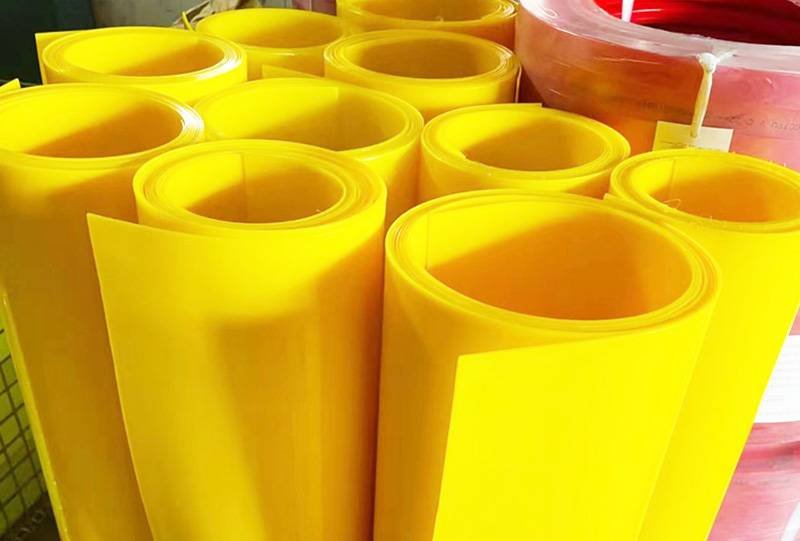
- Polyurethane Rubber Sheets: Durable and reusable, these sheets help reduce waste and offer long-lasting solutions for industrial applications.
- TPU Belts: Made with sustainability in mind, our TPU belts are built for longevity, supporting reduced material use and resource conservation.
- PU Squeegees: Our high-quality PU squeegees are designed for extended use, minimizing the need for replacements and promoting waste reduction.
For more information on how we can help your business achieve its sustainability goals through our polyurethane solutions, contact us at pengde2@pengde-pu.com. Join us in embracing a greener, more sustainable future.