


In modern industrial and logistics operations, the choice of equipment components can significantly impact efficiency, safety, and maintenance costs. Among these components, polyurethane wheels have emerged as a preferred solution for a wide range of applications. Their unique combination of durability, flexibility, and chemical resistance makes them ideal for environments where traditional rubber or metal wheels may fall short.
This article explores polyurethane wheels, highlighting their key features, advantages, and industrial applications, helping businesses make informed decisions when selecting the right wheels for their equipment.
Understanding Polyurethane Wheels
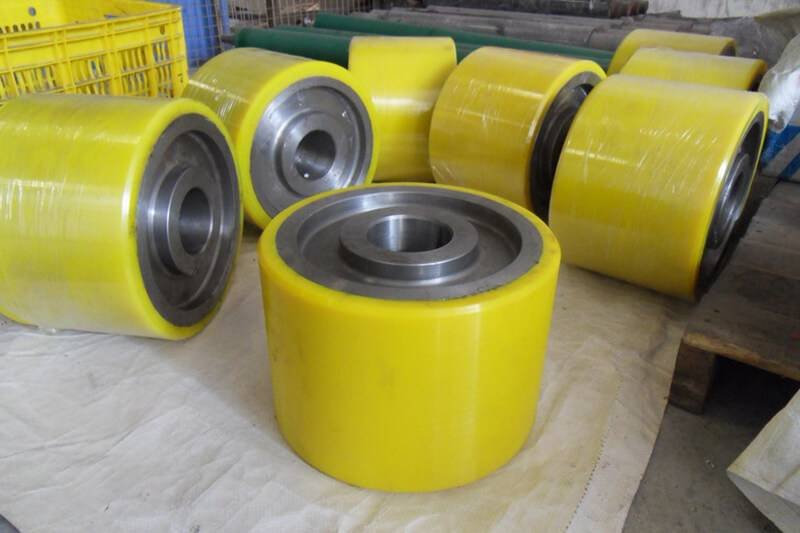
Polyurethane wheels are made from high-performance polyurethane (PU) material, which offers a unique balance between the elasticity of rubber and the rigidity of plastic. Unlike standard rubber wheels, PU wheels provide superior wear resistance and load-bearing capacity. Compared to metal wheels, they reduce noise and vibration while offering a smoother ride.
Understanding polyurethane wheels is essential for industries seeking reliable, long-lasting wheel solutions that maintain performance under heavy use and harsh conditions.
Key Features of Polyurethane Wheels
- Durability and Wear Resistance
One of the most important features of PU wheels is their exceptional durability. Polyurethane material resists abrasion and mechanical wear, making these wheels suitable for continuous operation in industrial environments. - Load-Bearing Capacity
Polyurethane wheels are capable of supporting heavy loads while maintaining structural integrity. This makes them ideal for forklifts, pallet jacks, and other equipment that carries significant weight. - Shock Absorption and Vibration Reduction
Unlike metal wheels, PU wheels absorb shocks and vibrations, providing smoother operation. This feature not only protects the equipment but also reduces noise, improving the overall working environment. - Chemical and Corrosion Resistance
Industrial environments often involve exposure to chemicals, oils, and moisture. PU wheels resist chemical corrosion and moisture damage, ensuring consistent performance even in challenging conditions. - Smooth Rolling and Low Friction
The smooth surface of PU wheels allows for efficient rolling with minimal friction. This reduces manual effort for operators and increases equipment mobility and responsiveness.
PU Wheel Selection Guide – How to Choose the Right Type for Your Application
Choosing the right polyurethane wheel is crucial for performance and safety. Consider the following factors:
- Load Capacity: Match wheel size and hardness to the maximum load it will carry.
- Surface Type: Smooth floors require different wheel hardness than rough or uneven surfaces.
- Environmental Conditions: Consider chemical exposure, temperature range, and moisture.
- Noise and Vibration Needs: Softer PU wheels reduce noise and improve shock absorption, while harder wheels provide higher load support.
- Mobility Requirements: Larger diameter wheels reduce rolling resistance for heavy loads.
Why It Matters: Selecting the correct PU wheel ensures optimal equipment performance, reduces maintenance costs, and extends operational life.

Advantages of Using PU Wheels in Industry
Enhanced Equipment Longevity
The wear-resistant properties of polyurethane wheels extend the life of both the wheels and the equipment they support. Reduced friction and abrasion result in fewer replacements and lower maintenance costs.
Improved Operational Efficiency
The combination of smooth rolling, shock absorption, and chemical resistance improves operational efficiency. Equipment moves more reliably and consistently, minimizing downtime and enhancing productivity.
Safety and Reliability
PU wheels offer excellent grip, anti-slip properties, and shock absorption, which improve operator safety. Reduced vibrations and noise levels also contribute to a safer and more comfortable working environment.
Cost-Effectiveness
Although PU wheels may have a higher initial cost than standard rubber or plastic wheels, their durability and low maintenance requirements make them a cost-effective long-term investment. Reduced replacements and downtime translate into substantial savings over time.
Maintenance and Longevity Tips for PU Wheels
Proper maintenance extends wheel life and keeps equipment operating efficiently:
- Regular Cleaning: Remove debris, dust, and chemical residues to prevent surface wear.
- Inspect for Damage: Check for cracks, flattening, or uneven wear to avoid equipment malfunction.
- Lubricate Bearings: Ensure smooth rotation and reduce friction.
- Avoid Overloading: Never exceed rated load capacity to prevent permanent deformation.
- Store Properly: Keep spare wheels in a cool, dry area away from direct sunlight to prevent UV degradation.
Benefit: Following these maintenance practices ensures reliability, reduces downtime, and maximizes ROI.
Common Applications of Polyurethane Wheels
- Warehouse and Logistics: Pallet trucks, stackers, hand trolleys, and conveyor systems benefit from PU wheels due to their durability and smooth operation.
- Industrial Machinery: Protective pads, guide wheels, and rollers in production lines require wear-resistant, high-load wheels.
- Medical Equipment: Hospital beds, carts, and trolleys utilize PU wheels for silent and smooth movement.
- Automotive and Engineering: Specialized vehicles and machinery components use PU wheels for high load and abrasive conditions.
By understanding the versatility of PU wheels, businesses can choose the right type for each specific application, ensuring optimal performance and reliability.
Common Mistakes to Avoid with PU Wheels
Even with high-quality polyurethane wheels, improper use can reduce performance:
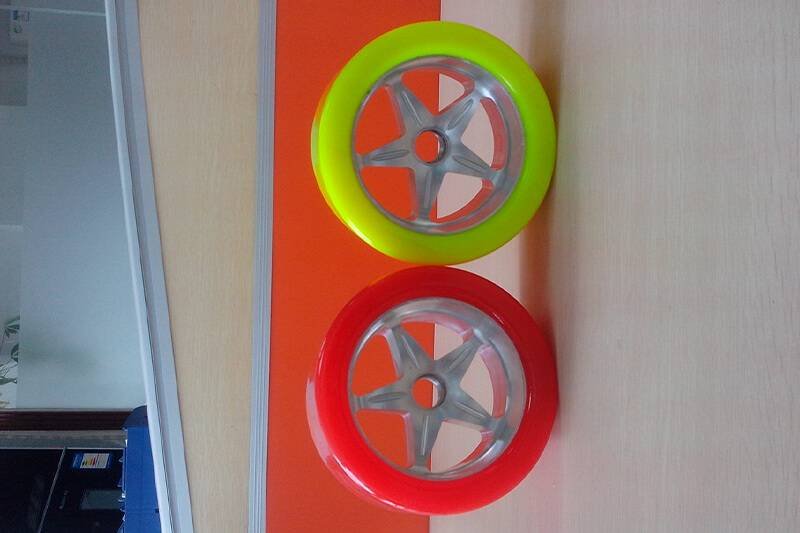
- Using wheels with insufficient load rating
- Ignoring environmental conditions (chemicals, temperature, moisture)
- Choosing wrong hardness for floor type
- Skipping regular inspection and maintenance
- Using incompatible bearings or equipment
Tip: Evaluate application requirements carefully and consult suppliers like PENGDE to ensure the right wheel selection.
Conclusion
Polyurethane wheels offer a unique combination of durability, load-bearing capacity, shock absorption, chemical resistance, and low friction, making them an essential component in modern industrial and logistics equipment. Choosing high-quality PU wheels enhances equipment longevity, operational efficiency, safety, and cost-effectiveness.
For reliable, high-performance PU wheels, trust PENGDE. With over 15 years of experience in PU plastic manufacturing and global expertise in industrial solutions, PENGDE provides durable, customizable wheels designed to meet your specific application needs. Upgrade your equipment today with premium PU wheels to ensure long-lasting, efficient performance.
Email: pengde2@pengde-pu.com
FAQ
Q1: How long do PU wheels typically last?
Depending on load, surface, and maintenance, PU wheels can last 2–5 years in industrial applications.
Q2: Can PU wheels handle heavy loads?
Yes. PU wheels support higher loads than standard rubber wheels, with options for extreme load-bearing capacities.
Q3: Are PU wheels chemical-resistant?
Yes, PU wheels resist oils, solvents, and moisture, making them suitable for harsh industrial environments.
Q4: How do I choose the right hardness for my wheels?
Consider the floor type, load, and operational noise requirements. Softer wheels reduce noise; harder wheels carry more weight.
Q5: Can PU wheels be replaced or customized?
Yes. PENGDE provides custom PU wheels in various diameters, hardness, and load capacities.

