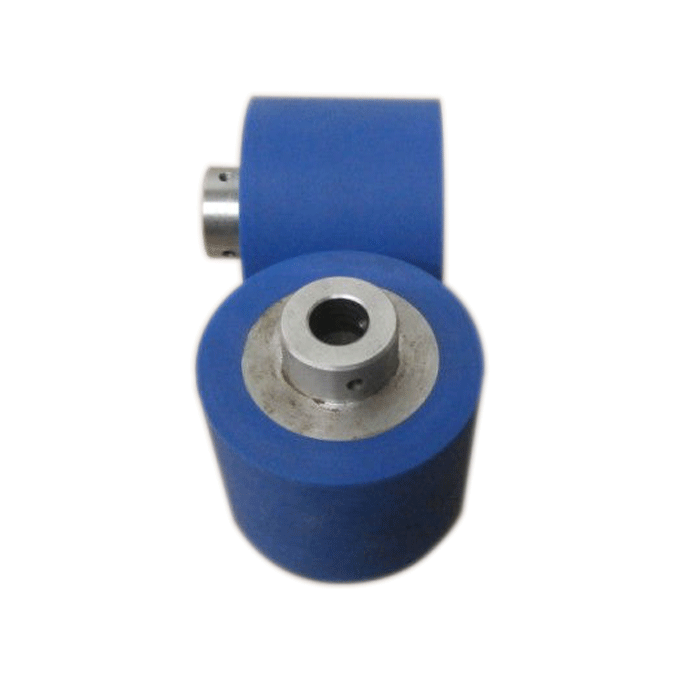
Rubber Roller
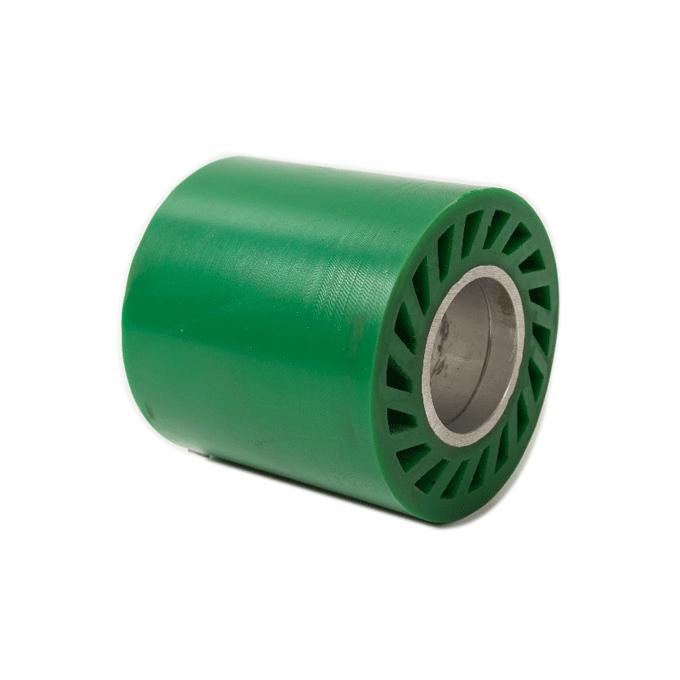
Rubber Roller
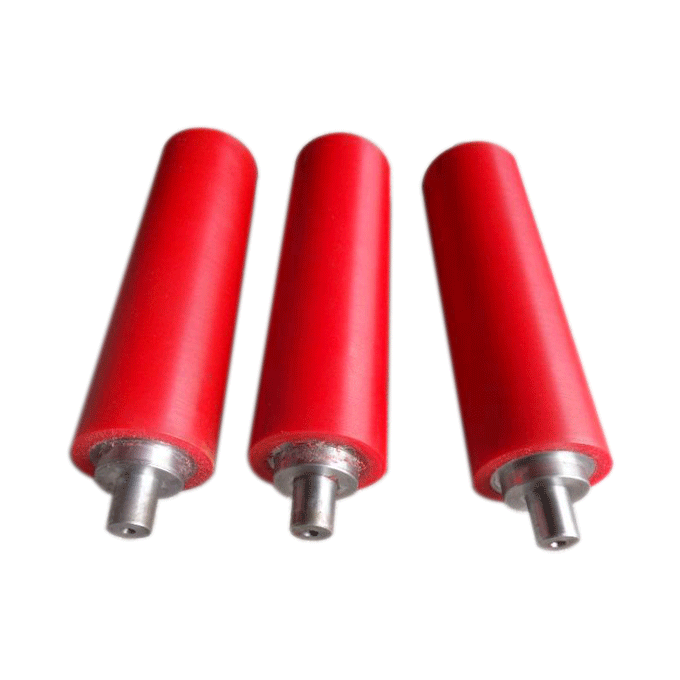
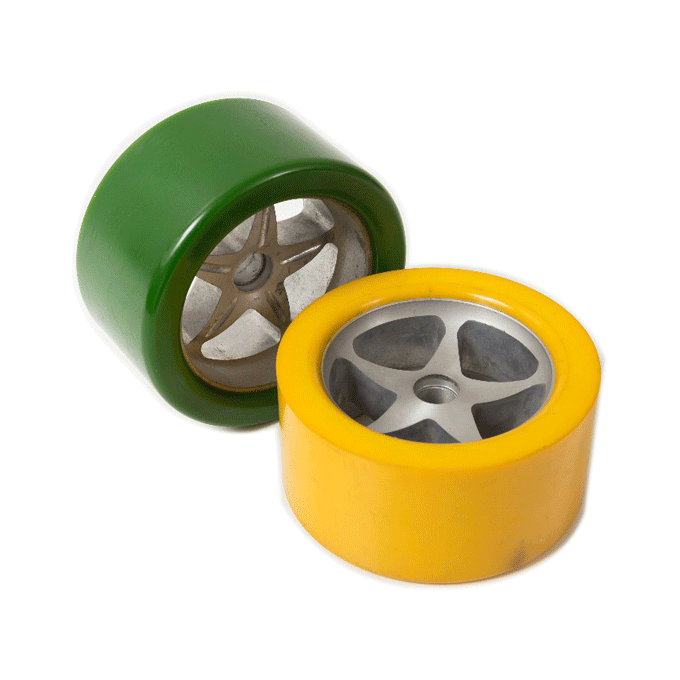
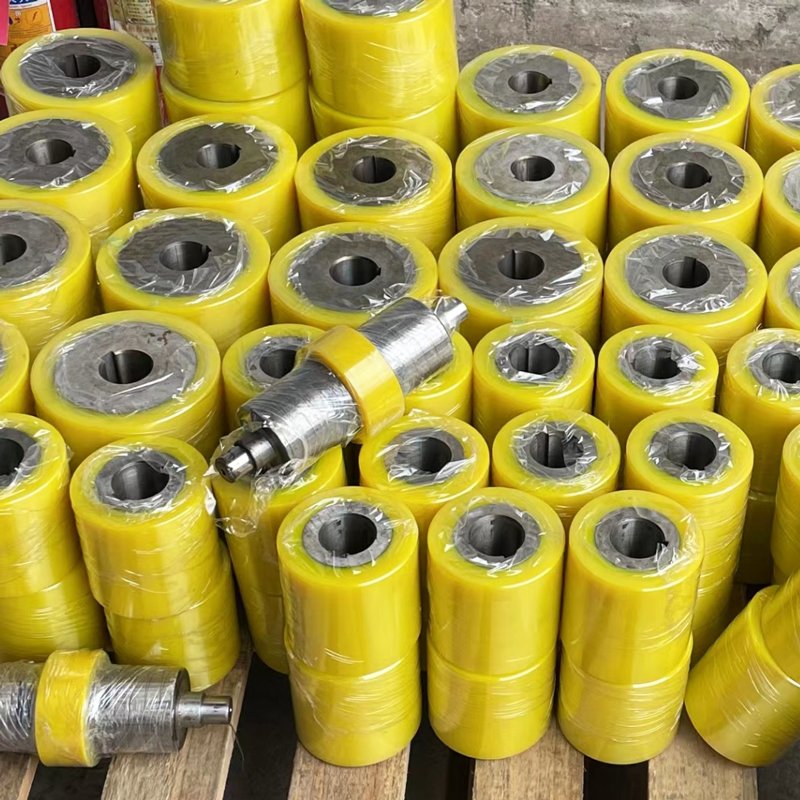
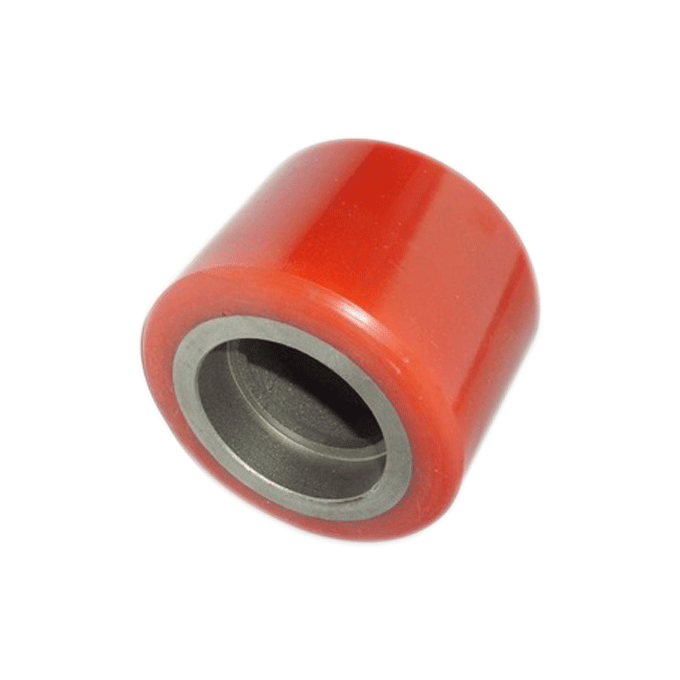
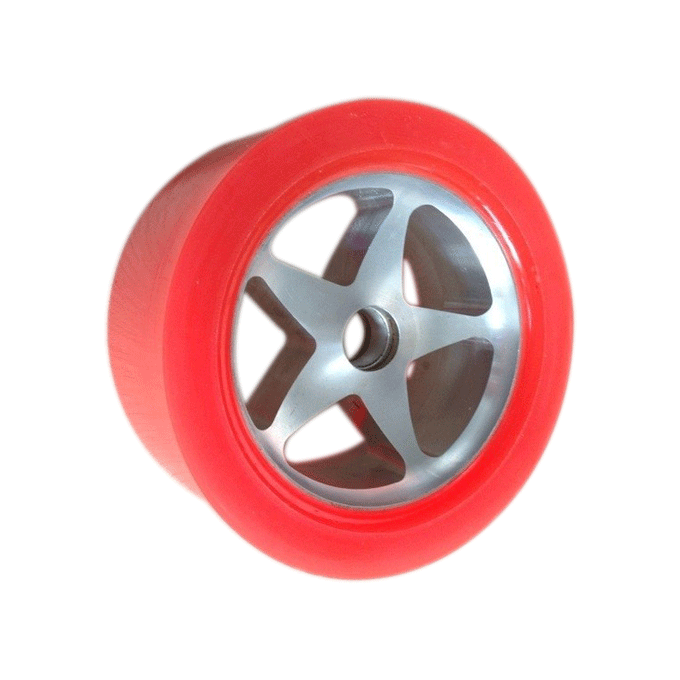
A rubber roller is an essential component widely used in industrial machinery for conveying, guiding, pressing, and processing materials. It is typically made from various rubber compounds that provide a combination of elasticity, friction, and durability.
Rubber rollers are designed to maintain stable contact with materials during operation, ensuring smooth transmission and consistent performance. They are commonly found in printing equipment, conveyor systems, packaging machines, textile machinery, and paper processing lines.
Key Features
- Good Elasticity: Maintains consistent contact with materials during operation.
- Stable Friction Performance: Ensures reliable material feeding and transmission.
- Wear Resistance: Designed to withstand continuous industrial use.
- Noise Reduction: Helps reduce vibration and operating noise.
- Surface Customization: Available in smooth, textured, or grooved finishes.
- Chemical Compatibility: Resistant to certain oils and industrial substances depending on material selection.
Technical Specifications
| Item | Specification |
|---|---|
| Material | Rubber (NR, NBR, EPDM, Silicone, etc.) |
| Hardness | Custom (typically 30–90 Shore A) |
| Diameter | Custom |
| Length | Custom |
| Surface | Smooth / Grooved / Textured |
| Color | Black, White, Red, Custom |
| Shaft | With or without shaft |
Common Rubber Materials
Different rubber compounds are used depending on application requirements:
Natural Rubber (NR): Good elasticity and wear resistance, suitable for general applications.
Nitrile Rubber (NBR): Excellent oil resistance, widely used in industrial environments.
EPDM Rubber: Good resistance to heat, weather, and chemicals.
Silicone Rubber: High temperature resistance, suitable for special environments.
Applications
Rubber rollers are widely used across many industries:
- Printing machines
- Conveyor systems
- Packaging machinery
- Textile equipment
- Paper processing machines
- Laminating and coating systems
They play a key role in material handling and process control.
Types of Rubber Rollers
Drive Rollers: Transmit power and drive materials along a system.
Idler Rollers: Support and guide materials during movement.
Pressure Rollers: Apply force for lamination or pressing processes.
Coating Rollers: Used in coating, gluing, or ink transfer applications.
Advantages
- Reliable and consistent operation
- Suitable for a wide range of industries
- Customizable based on application
- Helps improve production efficiency
- Long service life with proper maintenance
Custom Rubber Roller Solutions
We provide custom rubber roller solutions based on your machinery and application requirements.
Customization options include:
- Size and dimension customization
- Material selection (NR, NBR, EPDM, etc.)
- Hardness adjustment
- Surface treatment and pattern design
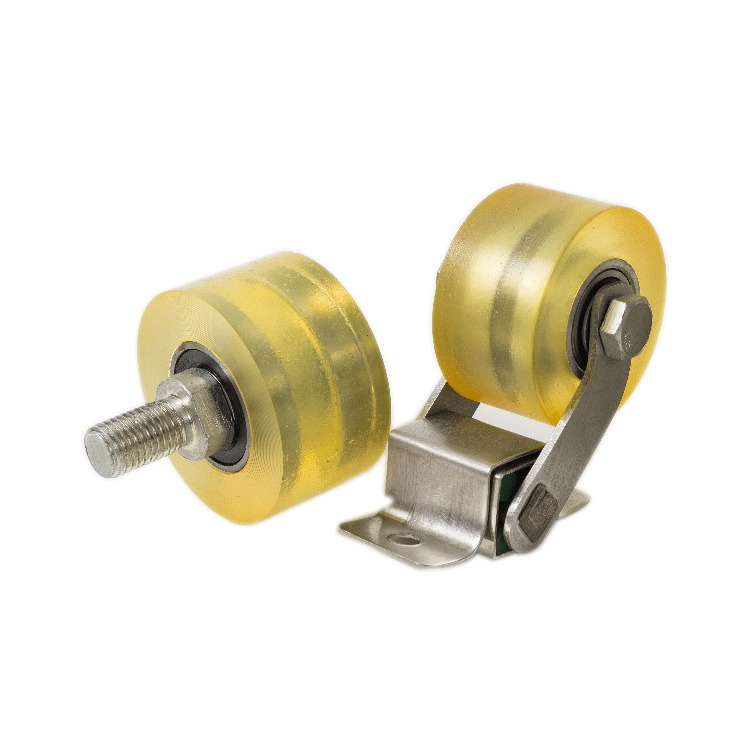
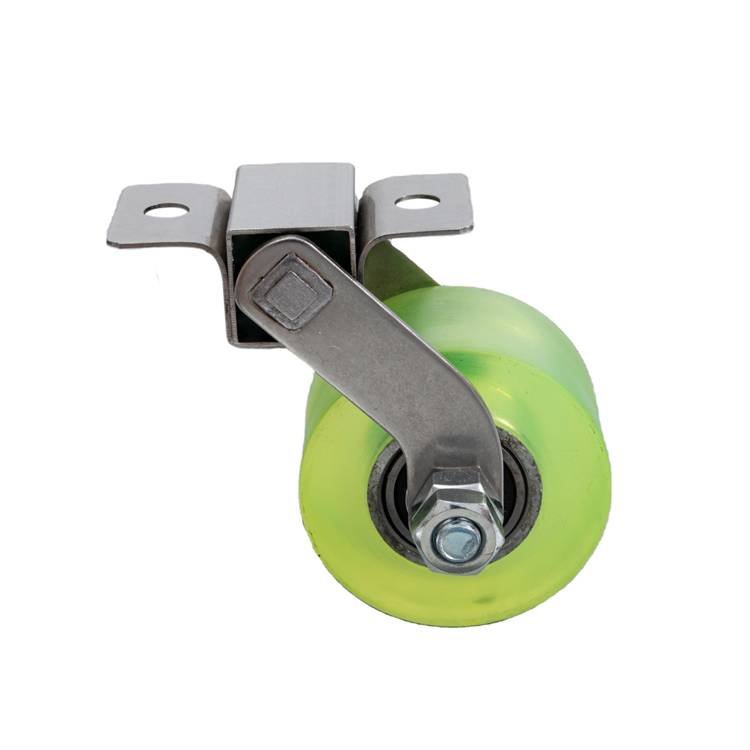
- Shaft and bearing integration
- OEM manufacturing based on drawings
FAQ
What is a rubber roller used for?
Rubber rollers are used for conveying, pressing, guiding, and processing materials in industrial machinery.
What materials are rubber rollers made of?
They can be made from natural rubber, nitrile rubber, EPDM, silicone, and other compounds.
Can rubber rollers be customized?
Yes, they can be customized in size, hardness, material, and surface design.
How to choose the right rubber roller?
Selection depends on the application, working environment, and required performance such as hardness and resistance.
Related Products
-
 Quick View
 -
 Quick View
 -
Quick View
-
 Quick View
 -
Quick View
-
Quick View
-
Quick View
-
Quick View