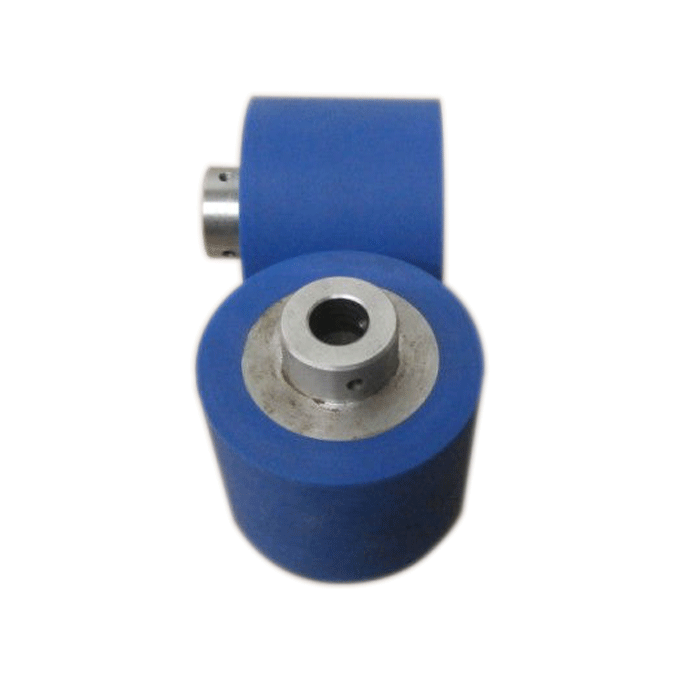
In the highly competitive and precision-driven ceramic industry, manufacturers constantly seek materials that can enhance efficiency, reduce maintenance costs, and improve product quality. PU plastic sheet has emerged as a versatile material, offering remarkable durability and performance benefits for ceramic production. This article will explore how polyurethane sheet is revolutionizing ceramic industry applications, highlighting its exceptional properties and showcasing real-world benefits.
What is PU Plastic Sheet?
PU plastic sheet is a high-performance material known for its resilience, elasticity, and versatility. It is made from a polymer composed of organic units joined by urethane links, offering a combination of flexibility, durability, and abrasion resistance that is unmatched by many other materials.
Polyurethane sheet is available in various grades, thicknesses, and formulations, making it adaptable to different industrial requirements. In the ceramic industry, polyurethane sheet is used in molds, machinery parts, packaging, and more, where durability and performance are key factors.

Key Benefits of PU Plastic Sheet in Ceramic Manufacturing
1. Durability and Wear Resistance
One of the most significant benefits of polyurethane sheet in the ceramic industry is its outstanding durability. When used in molds and machinery, pu plastic sheet significantly reduces wear and tear, allowing for longer service life of production equipment.
- Abrasion Resistance: Polyurethane sheet is highly resistant to abrasive conditions, making it ideal for use in environments where ceramic products are subjected to intense friction and pressure.
- Impact Resistance: The material’s shock-absorbing properties ensure that delicate ceramic products are less likely to break during production or transportation.
These characteristics help to reduce downtime and maintenance costs for ceramic manufacturers, contributing to overall cost-effectiveness.
2. Temperature Resistance and Insulation
In the ceramic industry, high temperatures are an inevitable part of the production process, especially during firing and kiln operations. PU plastic sheet excels in heat resistance, maintaining its structural integrity even in extreme conditions.
- Thermal Insulation: PU plastic sheet also provides excellent insulation, helping to regulate temperatures within kilns and other high-temperature areas. This ensures more energy-efficient operations, which can lead to significant savings on energy costs.
- Heat Resistance: It can withstand temperatures far beyond those typically encountered in ceramic production, which makes it a reliable choice for applications that involve exposure to intense heat.
3. Impact Resistance
During the handling and production of ceramic items, delicate materials can be easily damaged by impacts. Polyurethane sheet helps mitigate this risk by providing a protective layer that absorbs shocks and reduces the likelihood of damage to both products and machinery.
- Reduced Breakage: Whether it’s protecting ceramic tiles, pottery, or machinery, pu plastic sheet prevents damage during production, storage, and transportation.
- Increased Efficiency: By minimizing breakage, manufacturers can reduce waste, leading to improved productivity and lower material costs.
4. Cost-Effectiveness and Reduced Maintenance
One of the key selling points of polyurethane sheet is its cost-effectiveness. While it may come at a higher initial cost compared to some other materials, its durability and low maintenance requirements make it a long-term investment.
- Longer Lifespan: The resistance to wear, impact, and high temperatures ensures that pu plastic sheet lasts longer, reducing the frequency of replacements and the need for repairs.
- Lower Maintenance Costs: With fewer breakdowns and longer-lasting equipment, manufacturers can significantly reduce maintenance expenses.

PU Plastic Sheet in Ceramic Equipment and Molds
1. Improving Ceramic Mold Performance
In ceramic production, mold quality is crucial to achieving consistent and precise products. PU plastic sheet plays a pivotal role in improving the performance of molds by enhancing their surface quality and longevity.
- Smoother Surface Finish: PU plastic sheet ensures that molds create smoother, higher-quality finishes on ceramic products, reducing defects and imperfections.
- Customization: It can be customized to meet the specific needs of different mold designs, providing flexibility in production processes.
2. PU plastic sheet for Ceramic Machinery Parts
Ceramic production involves various heavy-duty machinery, from tile presses to kilns, which require durable materials to withstand constant use. Polyurethane sheet offers excellent wear resistance, making it ideal for use in these high-performance machines.
- Durability in Harsh Environments: Polyurethane sheeting can withstand the wear and tear of production equipment, ensuring that ceramic manufacturing machines continue to operate efficiently with minimal downtime.
PU Plastic Sheet in Ceramic Packaging
Protecting fragile ceramic products during storage and transportation is a challenge for many manufacturers. Polyurethane sheet offers a reliable solution by providing cushioning and impact resistance to reduce the risk of damage.
- Packaging Protection: Whether it’s ceramic tiles, pottery, or finished ceramic products, polyurethane sheeting provides an extra layer of protection during shipping, ensuring products arrive in perfect condition.
- Cost-Effective Packaging Solution: Polyurethane sheet’s durability and protective qualities make it a more economical choice for packaging, reducing material waste and the need for additional protective measures.
Sustainability of Polyurethane Sheeting in the Ceramic Industry
As the ceramic industry faces growing pressure to adopt more sustainable practices, polyurethane sheeting offers several eco-friendly advantages.
- Recyclability: Polyurethane sheeting is recyclable, which helps reduce waste and supports sustainable manufacturing practices.
- Long-Lasting Performance: The material’s long lifespan means fewer replacements and less waste, contributing to more sustainable production.
Manufacturers who switch to polyurethane sheet can not only improve their production efficiency but also contribute to a greener, more sustainable industry.

Conclusion
Polyurethane sheet has proven to be an indispensable material in the ceramic industry, offering unparalleled durability, heat resistance, impact absorption, and cost-effectiveness. From enhancing ceramic molds and machinery parts to providing protective packaging solutions, this versatile material has a wide range of applications that can help ceramic manufacturers optimize their operations.
If you’re looking to improve the performance, durability, and sustainability of your ceramic production processes, consider incorporating polyurethane sheet into your manufacturing workflow. Contact pengde2@pengde-pu.com today for more information on our custom polyurethane sheet solutions.