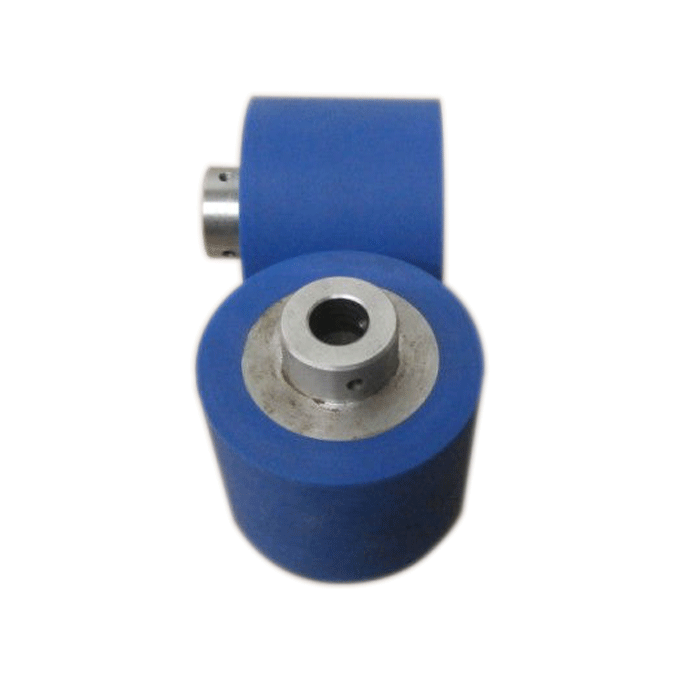
Thermoplastic Polyurethane (TPU) has become a leading material choice for conveyor belts in various industries. Its unique combination of durability, flexibility, and chemical resistance makes it superior to traditional materials like PVC and rubber. But what exactly makes TPU so effective? Understanding the science behind TPU reveals why it is the ideal material for modern conveyor systems.
What Is TPU?
TPU is a type of elastomer that combines the elasticity of rubber with the strength and processing versatility of thermoplastics. This material is composed of hard and soft segments, which allow it to achieve a balance between flexibility and toughness. The molecular structure of TPU provides high resistance to abrasion, impact, and chemicals, making it perfect for conveyor belt applications.
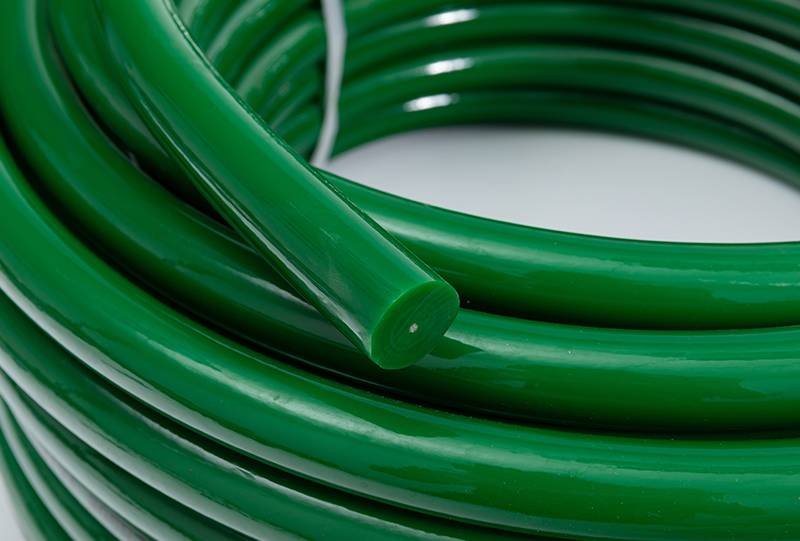
Key Properties That Make TPU Ideal for Conveyor Belts
High Wear and Tear Resistance
Conveyor belts undergo constant movement, friction, and load-bearing stress. TPU’s high tensile strength and abrasion resistance ensure that belts last longer, reducing the frequency of replacements and maintenance costs.
Superior Flexibility and Elasticity
Unlike rigid materials, TPU maintains its elastic properties over a wide temperature range. This allows conveyor belts to bend and stretch without cracking or deforming, making them suitable for high-speed operations and complex conveyor systems.
Chemical and Oil Resistance
Industries such as food processing, pharmaceuticals, and manufacturing require conveyor belts that can withstand exposure to oils, greases, cleaning agents, and harsh chemicals. TPU’s non-reactive nature ensures that belts remain intact and functional even in demanding environments.
Hygienic and Food-Safe Properties
For applications in food and beverage processing, TPU conveyor belts offer a non-porous, easy-to-clean surface that prevents bacterial growth. Many TPU belts comply with FDA and EU food safety regulations, making them a preferred choice for sanitary conveyor systems.
Energy Efficiency and Sustainability
TPU belts are lightweight and have a low coefficient of friction, which reduces the energy required to operate conveyor systems. Additionally, TPU is recyclable, making it an eco-friendly alternative to traditional rubber and PVC belts.

TPU vs PVC & Rubber Conveyor Belts
| Property | TPU Conveyor Belt | PVC Conveyor Belt | Rubber Conveyor Belt |
|---|---|---|---|
| Abrasion Resistance | High | Medium | Medium |
| Flexibility | Excellent | Moderate | Good |
| Chemical Resistance | High (oils, greases, chemicals) | Low | Medium |
| Temperature Range | -40°C to 120°C | -10°C to 60°C | -20°C to 80°C |
| Hygiene & Food Safety | Non-porous, FDA/EU approved | Moderate | Difficult to clean |
| Lifespan | 2–3x longer than PVC/Rubber | Moderate | Moderate |
| Cost | Higher upfront, lower total cost | Lower upfront | Moderate |
TPU conveyor belts offer superior durability, chemical resistance, and hygiene compared to PVC and rubber, making them the preferred choice for demanding industrial applications.
How to Choose the Right TPU Conveyor Belt
Factors to Consider:
- Load & Weight Requirements – Choose a thicker or harder TPU sheet for heavy loads.
- Belt Speed – Flexible TPU belts are better for high-speed conveyors.
- Chemical Exposure – Consider chemical-resistant TPU grades for harsh environments.
- Hygiene & Food Applications – Non-porous, FDA-approved TPU is required for direct food contact.
- Temperature Conditions – Verify TPU grade can handle your operating temperature range.
- Customizations – Thickness, color, and hardness can be tailored to your specific conveyor system.
Tip: Consult your supplier or technical team to ensure the selected TPU belt meets operational requirements.
Applications of TPU Conveyor Belts
Thanks to its versatile properties, TPU conveyor belts are widely used in industries such as:
- Food processing – Safe for direct food contact and easy to clean.
- Pharmaceuticals – Sterile, chemical-resistant, and hygienic.
- Logistics & e-commerce – Durable and efficient for high-speed sorting.
- Manufacturing – Handles heavy loads with minimal wear.
- Electronics – Non-marking and static-resistant for sensitive components.
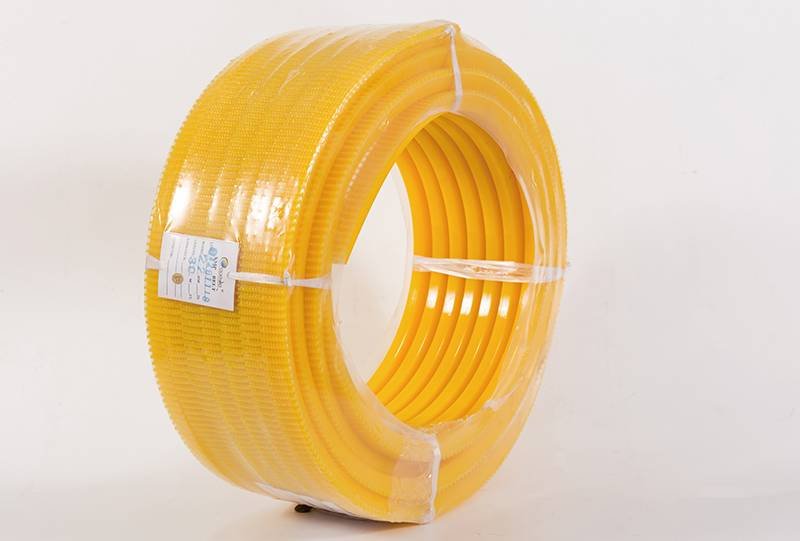
Maintenance & Lifespan Tips
Maintenance Tips for TPU Conveyor Belts:
- Clean regularly using mild detergents or water – avoid harsh chemicals unless TPU grade is chemical-resistant.
- Inspect for wear or damage periodically to prevent unexpected downtime.
- Avoid sharp objects or extreme bending to prolong belt life.
- Proper tensioning ensures optimal performance and reduces stress on the belt.
Expected Lifespan:
- TPU belts generally last 2–3 times longer than PVC or rubber belts when maintained properly.
- Lifespan depends on load, operating conditions, and maintenance practices.
Conclusion
The molecular structure of TPU makes it the perfect material for conveyor belts, offering a combination of durability, flexibility, chemical resistance, and hygiene. Its ability to withstand harsh conditions while maintaining efficiency makes TPU belts a smart investment for industries looking to optimize their conveyor systems.
At PENGDE NEW MATERIAL TECHNOLOGY CO., LTD, we specialize in high-performance TPU conveyor belts designed for various industrial applications. Contact us at pengde2@pengde-pu.com to learn more about how our TPU solutions can improve your operations.