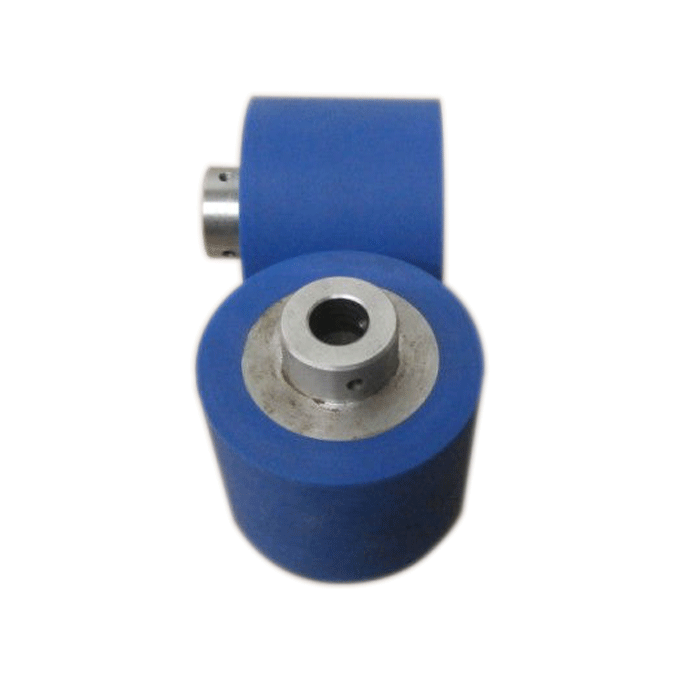
In modern industrial manufacturing and automation systems, wear-resistant and protective materials play a critical role in maintaining equipment efficiency and durability. Among these materials, polyurethane strips have become increasingly popular due to their excellent abrasion resistance, elasticity, and chemical stability. They are widely used in conveyor systems, mechanical equipment, ceramic machinery, packaging equipment, and automated production lines.
Simply put, polyurethane strips are strip-shaped components made from polyurethane elastomer. They are typically used for guiding, cushioning, sealing, or protecting equipment components. Compared with traditional rubber or plastic materials, polyurethane provides superior mechanical strength and a longer service life. This makes it an ideal choice for demanding industrial environments.
This article explains the definition, manufacturing methods, key advantages, and industrial applications of polyurethane strips, helping engineers and procurement professionals better understand this versatile industrial material.
What Are Polyurethane Strips?
Definition of Polyurethane Strips
Polyurethane strips are strip-shaped industrial components made from polyurethane elastomer materials. They are known for their excellent elasticity, wear resistance, and impact resistance. Depending on the requirements of specific equipment, these strips can be manufactured in different sizes, thicknesses, and hardness levels to provide protection, guidance, or friction control.
Common types include:
- wear polyurethane strips
- guide polyurethane strips
- sealing polyurethane strips
- cushioning polyurethane strips
These strip components are typically installed in key positions within machinery or conveyor systems to reduce friction, protect equipment structures, and improve operational efficiency.
Key Material Characteristics of Polyurethane
Polyurethane materials are widely used in industrial applications because of their balanced mechanical properties. Compared with conventional rubber or plastic materials, PU elastomers offer a combination of strength, flexibility, and durability.
The main material characteristics of polyurethane strips include:
| Material Property | Performance |
|---|---|
| Elasticity | High elasticity with good cushioning capability |
| Abrasion Resistance | Excellent resistance to wear and friction |
| Oil Resistance | Good resistance to oils and lubricants |
| Impact Resistance | Strong ability to absorb mechanical impact |
| Durability | Long service life in demanding environments |
These properties make polyurethane strips an ideal choice for heavy-duty industrial applications where durability and reliability are essential.
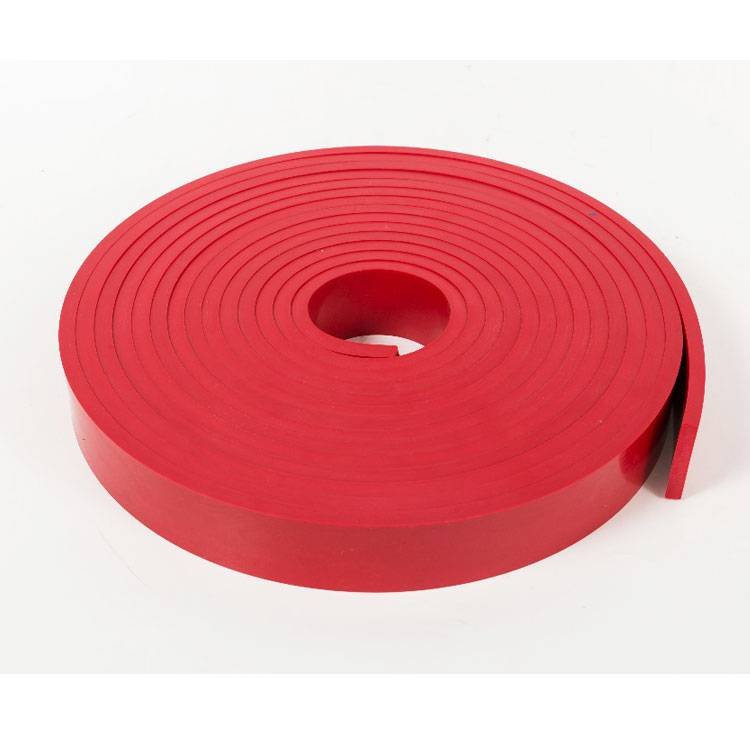
How Polyurethane Strips Are Manufactured
Common Manufacturing Methods
Depending on the application requirements, polyurethane strips can be produced using different manufacturing processes. Each process offers advantages for specific shapes, sizes, and performance characteristics.
Casting Process
Casting is one of the most common methods used to produce high-performance polyurethane strips. Liquid polyurethane is poured into molds and cured to form solid components. This process allows precise control over the material properties and ensures excellent wear resistance.
Extrusion Process
Extrusion is commonly used to manufacture continuous lengths of polyurethane strips. This method is efficient for producing standard strip profiles in large volumes.
CNC Machining
Some custom polyurethane strips are produced by CNC machining PU sheets or blocks. This method provides high precision and allows manufacturers to create complex shapes or exact dimensions required by specialized equipment.
Customization Options
Industrial machinery often requires materials with specific dimensions and properties. For this reason, many companies prefer custom polyurethane strips designed according to their equipment specifications.
Typical customization options include:
- Thickness
- Width
- Length
- Hardness (Shore A)
- Surface texture or finish
As a professional polyurethane manufacturer, PENGDE provides flexible customization solutions to meet the requirements of different industries and applications.
Key Benefits of Using Polyurethane Strips
Thanks to the unique characteristics of polyurethane materials, polyurethane strips provide several advantages in industrial environments.
Excellent Wear Resistance
Polyurethane is widely recognized as one of the most abrasion-resistant elastomer materials available. In high-friction environments, wear resistant polyurethane strips can last significantly longer than traditional rubber materials.
This makes them particularly suitable for:
- conveyor systems
- automated production lines
- heavy industrial machinery
High Load-Bearing Capacity
In addition to flexibility, polyurethane offers strong mechanical strength. Polyurethane strips can withstand heavy loads and repeated mechanical stress while maintaining stable performance.
Oil and Chemical Resistance
Industrial equipment frequently operates in environments where oils, lubricants, or chemicals are present. Polyurethane materials provide excellent resistance to these substances, allowing polyurethane strips to perform reliably even in challenging conditions.
Long Service Life
Compared with rubber or common plastic materials, polyurethane strips offer superior resistance to wear, deformation, and aging. As a result, they typically provide a longer service life and reduce maintenance costs over time.
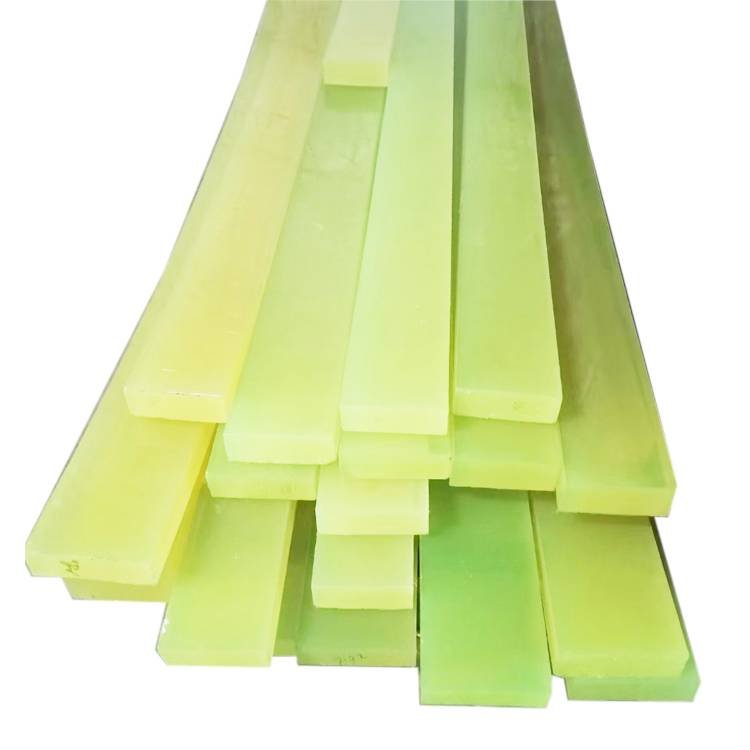
Common Industrial Applications of Polyurethane Strips
Because of their durability and versatility, industrial polyurethane strips are used across a wide range of industries.
Conveyor Systems
In conveyor systems, polyurethane strips are often used as wear strips or guide strips. They help reduce friction between moving components and equipment structures while improving overall system stability.
Common uses include:
- conveyor wear strips
- guide strips
- protective strips
Ceramic Machinery Equipment
In the ceramic manufacturing industry, equipment often operates continuously under heavy loads. Wear-resistant materials are essential for maintaining stable operation.
PENGDE has extensive experience supplying polyurethane solutions for ceramic machinery, including:
- polyurethane rollers
- PU squeegees
- TPU belts
- ceramic machinery spare parts
In these systems, polyurethane strips are often used for wear protection and structural reinforcement.
Packaging and Printing Equipment
In packaging and printing machinery, polyurethane strips can serve several functions, including:
- cushioning components
- guiding structures
- friction control elements
These components help maintain stable machine performance and reduce mechanical wear.
Automotive and Mechanical Engineering
In automotive manufacturing and mechanical engineering applications, polyurethane strips are often used as protective or shock-absorbing elements, such as:
- protective strips
- shock absorbing strips
Polyurethane Strips vs Rubber Strips
In many industrial applications, companies must choose between polyurethane and rubber materials. The following comparison highlights the key differences.
| Feature | Polyurethane Strips | Rubber Strips |
|---|---|---|
| Wear Resistance | High | Medium |
| Load Capacity | High | Medium |
| Oil Resistance | Excellent | Limited |
| Service Life | Long | Shorter |
Overall, polyurethane strips offer superior durability, load capacity, and resistance to wear. This is why they are increasingly used in modern industrial equipment.
How to Choose the Right Polyurethane Strips
Selecting the appropriate polyurethane strips for industrial equipment requires evaluating several important factors.
Thickness and Dimensions
The strip thickness and width must match the equipment design to ensure proper installation and optimal performance.
Hardness (Shore A)
Different hardness levels are suitable for different applications.
- Higher hardness is typically used for heavy-load or wear-resistant applications.
- Lower hardness may be used where cushioning or flexibility is required.
Operating Environment
It is also important to consider environmental conditions such as:
- operating temperature
- exposure to oils or chemicals
- mechanical loads and pressure
These factors can significantly influence the performance of polyurethane strips.
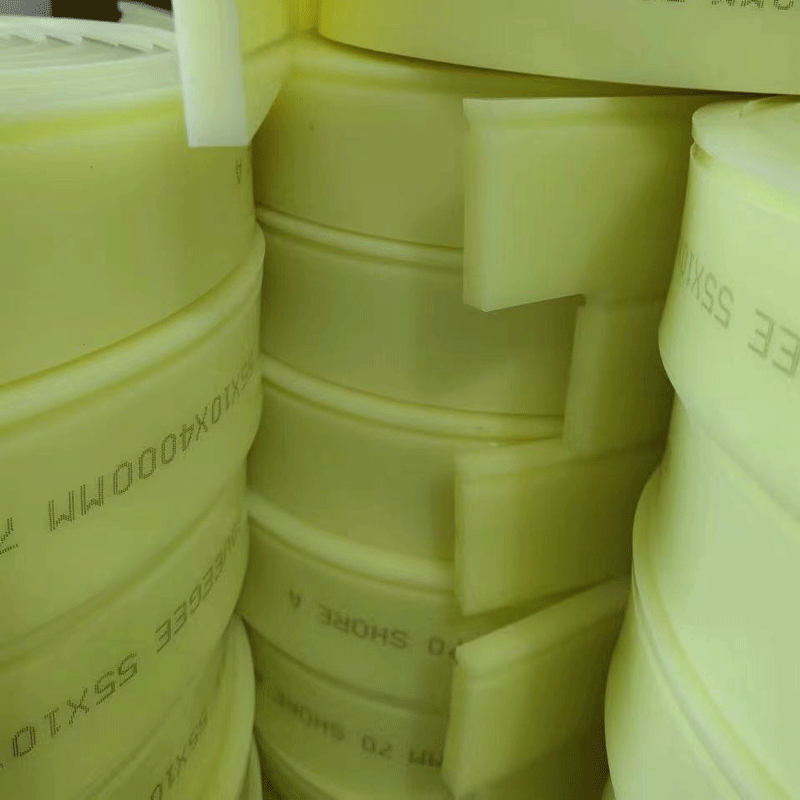
Custom Polyurethane Strips for Industrial Equipment
In many industrial applications, standard materials cannot fully meet equipment requirements. In such cases, custom polyurethane strips provide the best solution.
Customized solutions may include:
- special dimensions
- specific hardness levels
- unique surface textures
- tailored material formulations
As an experienced polyurethane manufacturer, PENGDE continues to invest in advanced production equipment and manufacturing technology. The company provides reliable PU material solutions for global customers, including:
- PU rods
- PU sheets
- rollers and wheels
- TPU belts
- non-standard PU parts
Through strict quality control and professional manufacturing expertise, PENGDE aims to deliver high-performance polyurethane products that meet the needs of modern industrial applications.
Conclusion
As a high-performance industrial material, polyurethane strips offer excellent wear resistance, elasticity, and chemical stability. They play an important role in modern manufacturing systems, from conveyor equipment and ceramic machinery to packaging and automation lines.
Choosing high-quality polyurethane strips can significantly improve equipment efficiency, extend service life, and reduce maintenance costs. For companies seeking reliable wear-resistant materials, working with an experienced polyurethane manufacturer is essential to ensuring consistent performance and long-term reliability.
FAQ About Polyurethane Strips
What are polyurethane strips used for?
Polyurethane strips are commonly used in conveyor systems, industrial machinery, packaging equipment, and automated production lines. They serve as wear-resistant, protective, guiding, or cushioning components.
Are polyurethane strips better than rubber strips?
In many industrial applications, polyurethane strips provide better wear resistance, higher load capacity, and a longer service life than traditional rubber materials.
Can polyurethane strips be customized?
Yes. Manufacturers can produce custom polyurethane strips based on specific requirements, including size, hardness, and material formulation.
How long do polyurethane strips last?
Under normal industrial operating conditions, high-quality polyurethane strips typically last significantly longer than conventional rubber materials due to their superior abrasion resistance and durability.