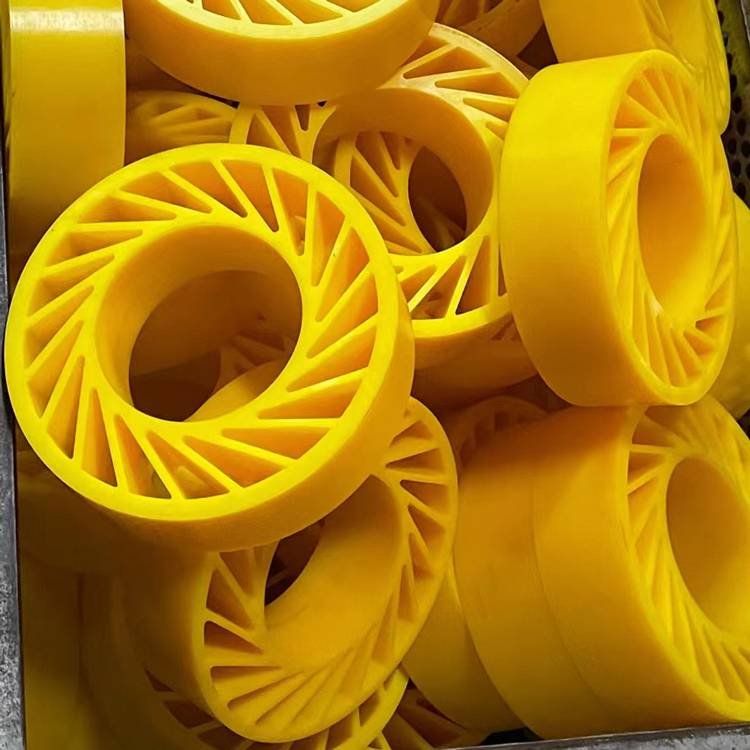
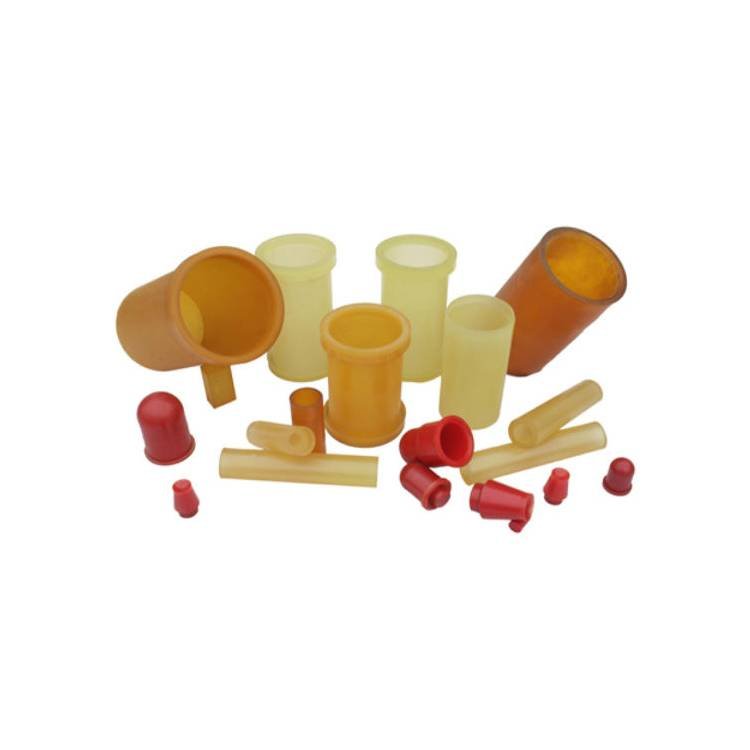
Polyurethane (PU) rods are widely used in industrial and manufacturing applications due to their durability, versatility, and excellent mechanical properties. From moving machine parts to sealing components, PU rods offer exceptional wear resistance and flexibility. However, to ensure optimal performance and longevity, it is essential to understand the key factors affecting their use. This article explores everything you need to know when using polyurethane rods, helping you make informed decisions for your applications.
What Are PU Rods?
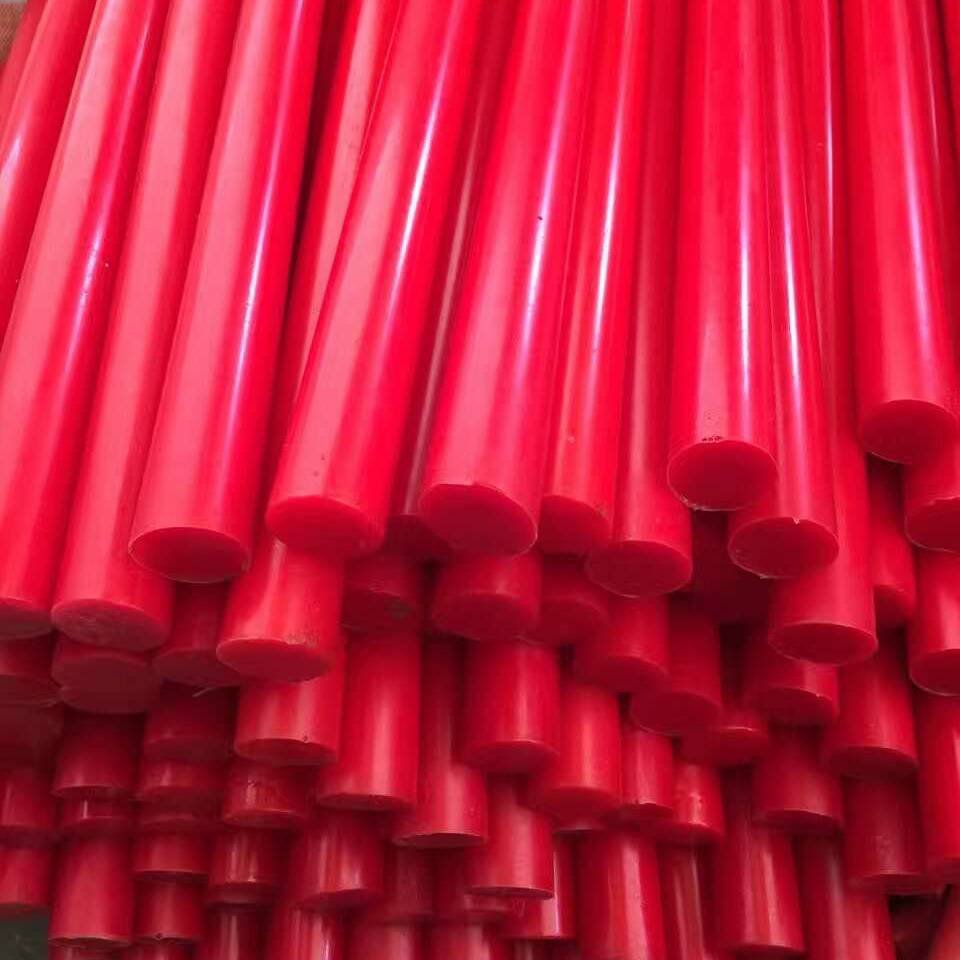
Polyurethane rods are cylindrical polymer components made from polyurethane, a high-performance elastomer known for its wear resistance, elasticity, and load-bearing capabilities. Compared to rubber or other polymers, PU rods maintain their structural integrity over a longer period, making them ideal for applications requiring long-term reliability.
Common Applications of PU Rods:
- Industrial machinery: bushings, bearings, rollers
- Automotive components: shock absorbers, seals
- Construction and furniture: vibration damping, spacers
Key Considerations When Using PU Rods
1. Customization Options
PU rods can be tailored to specific applications, ensuring compatibility with your machinery or production processes.
- Length: Typically ranges from 300mm to 1000mm
- Diameter: From ∅8 to ∅300mm
- Shore Hardness: 45A to 98A
Selecting the right combination of these parameters is crucial for load-bearing capacity, flexibility, and wear resistance. Customization allows manufacturers to optimize PU rods for performance and cost-effectiveness.
2. Operating Temperature
While PU rods are highly durable, they have certain temperature limits:
- Maximum Operating Temperature: Approximately 100°C (some premium PU rods can withstand higher short-term temperatures)
- Minimum Operating Temperature: Down to -35°C
Exceeding these limits may cause deformation, reduced elasticity, or premature wear. For applications involving extreme heat, verify the PU grade before installation.
3. Performance Limitations
Understanding the limits of PU rods ensures reliability in critical applications:
- High-Friction Environments: Continuous friction may require higher Shore hardness or surface treatment.
- Heavy Load Applications: Check rod diameter and hardness to avoid compression or deformation.
- Chemical Exposure: Some PU rods may degrade when exposed to strong acids, alkalis, or solvents—select chemical-resistant grades if needed.
4. Maintenance and Care
Proper maintenance prolongs the service life of PU rods:
- Regularly inspect for wear, cracks, or deformation.
- Avoid contact with sharp objects or abrasive surfaces.
- Clean using mild soap and water; avoid harsh chemicals unless specified as safe.
- Store rods in a cool, dry environment away from direct sunlight.
5. Application Tips
- Moving Parts: Select rods with higher Shore hardness for bearings and rollers to reduce deformation.
- Shock Absorption: Softer PU rods (lower Shore) are better for vibration damping or cushioning.
- Sealing Components: Ensure diameter matches groove or housing for proper sealing performance.
Example Table for Reference:
| Application Type | Recommended Shore Hardness | Diameter Range | Notes |
|---|---|---|---|
| Bearings/Rollers | 75A – 95A | ∅20 – ∅150mm | High wear resistance |
| Shock Absorbers | 45A – 70A | ∅10 – ∅100mm | Soft, energy absorption |
| Seals & Gaskets | 60A – 85A | Custom | Tight fit required |
6. Common Mistakes to Avoid
- Using PU rods above their maximum temperature limits
- Overloading rods without considering hardness or diameter
- Failing to inspect rods regularly, leading to premature failure
- Installing rods in corrosive or chemical environments without proper protection
7. Visual Guide & Sizing Recommendations
- Include diagrams showing proper installation and tolerances for PU rods
- Hardness chart and diameter guide for various applications
Find Out More About Premium PU Rods
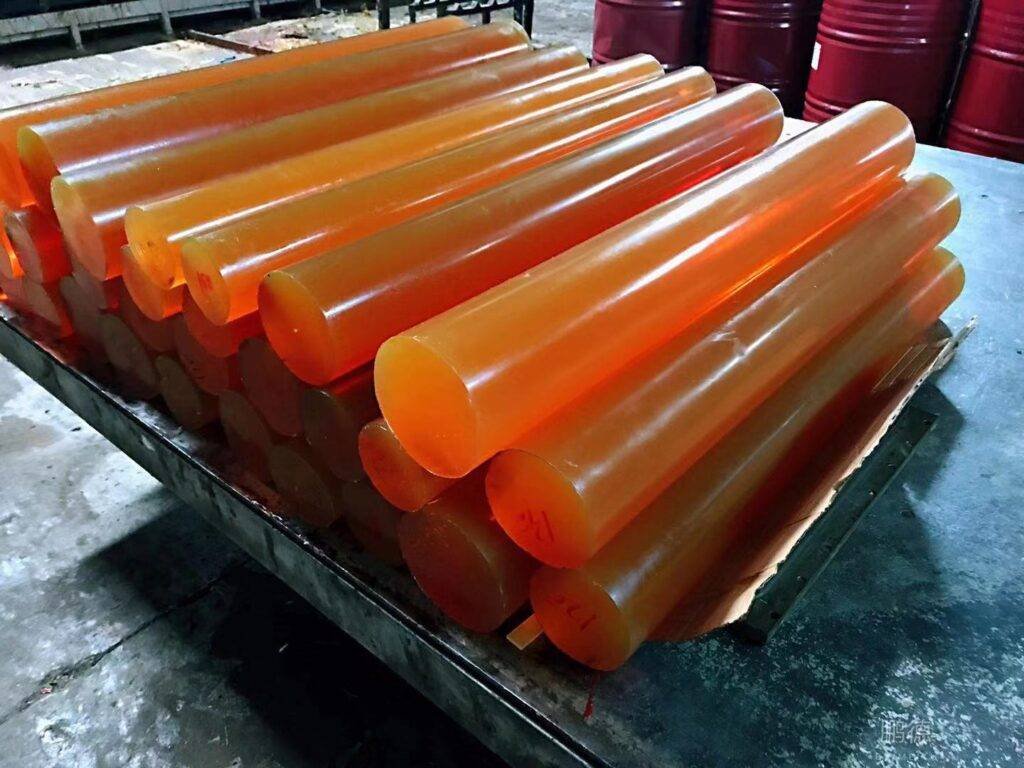
Investing in high-quality PU rods ensures maximum performance and reliability. At Pengde PU, we provide premium polyurethane rods with a wide range of specifications to meet diverse industrial needs.
Why Choose Pengde PU Rods?
- Extensive customization: lengths, diameters, and Shore hardness
- Wide operating temperature range: -35°C to 100°C
- Excellent wear and abrasion resistance
- Expert guidance to select the right PU rod for your application
For tailored solutions and inquiries, contact our experts at pengde2@pengde-pu.com.
FAQ
Q1: What Shore hardness is best for my application?
It depends on the load, friction, and shock requirements. Softer rods absorb vibration, while harder rods resist wear.
Q2: Can PU rods withstand extreme temperatures?
Premium PU rods operate between -35°C and 100°C. Check specific grade limits for high-temperature applications.
Q3: How should I maintain PU rods?
Regular inspection, proper cleaning, and avoiding chemical exposure will extend PU rod lifespan.
Q4: Are PU rods customizable?
Yes, lengths, diameters, and hardness can be tailored to your application needs.