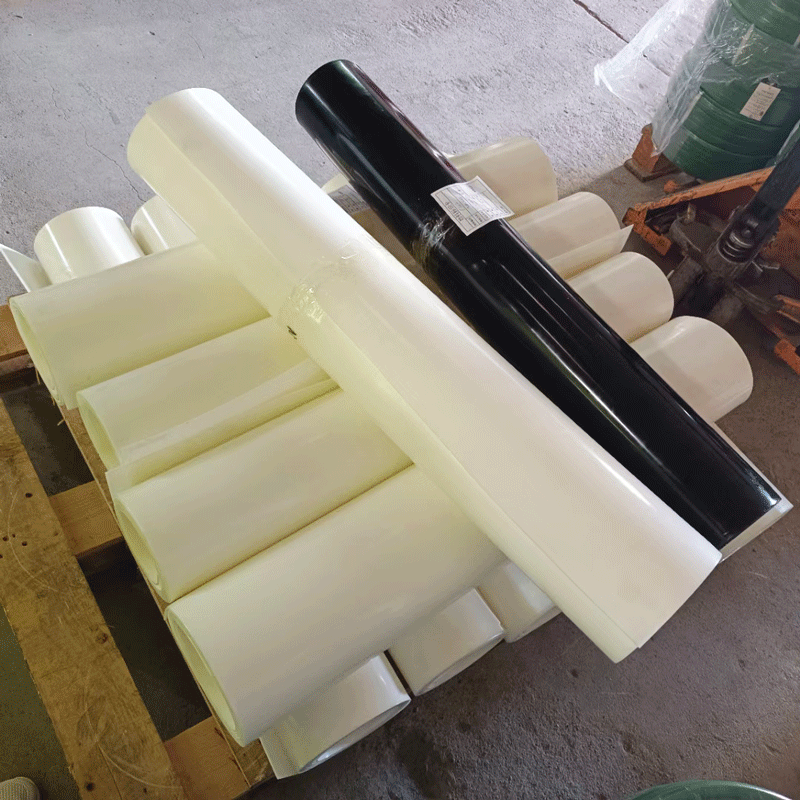
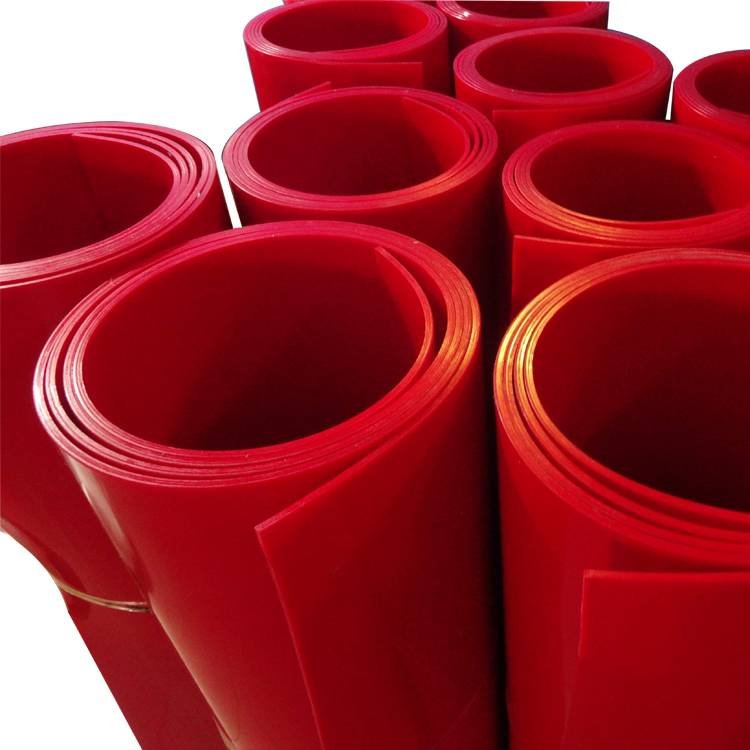
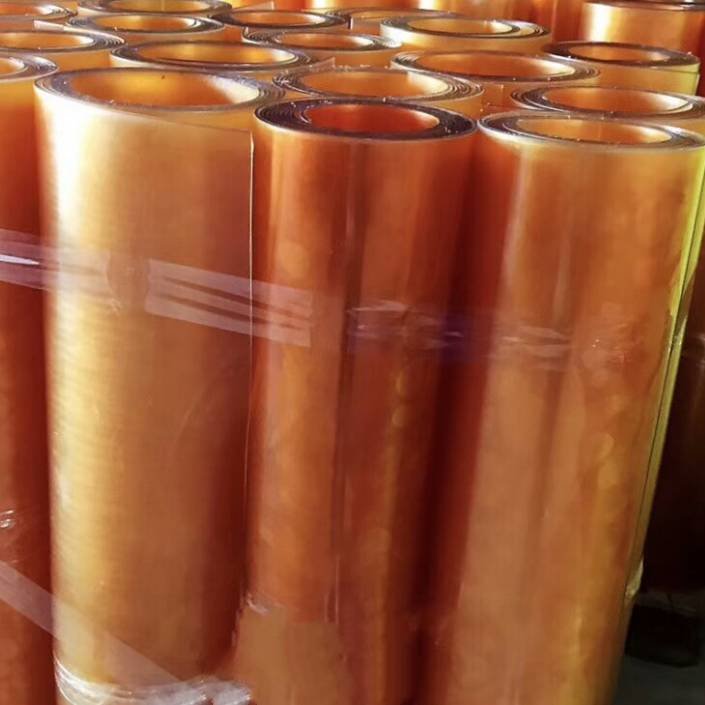
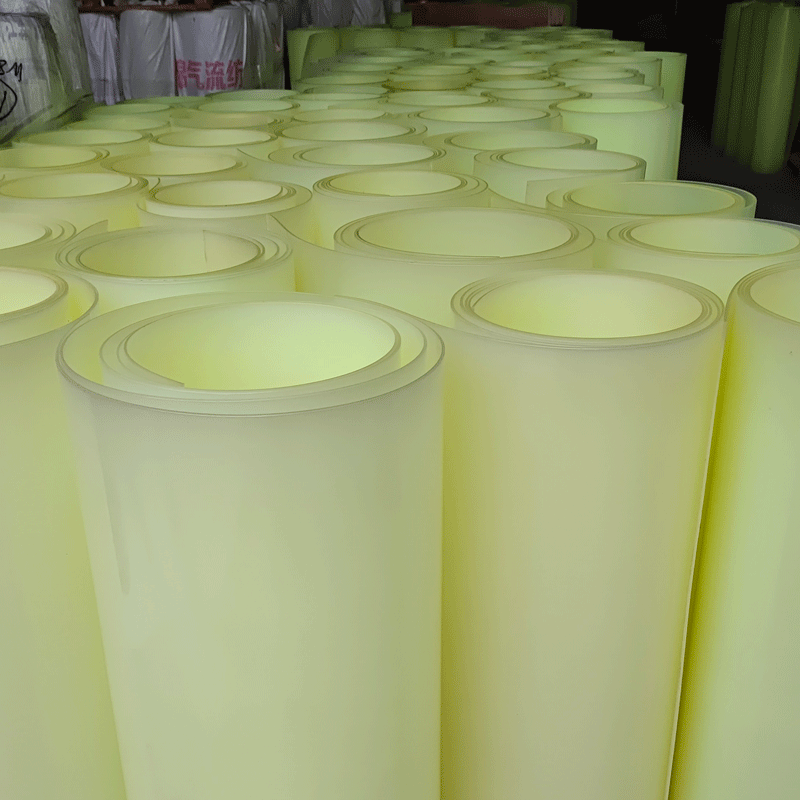
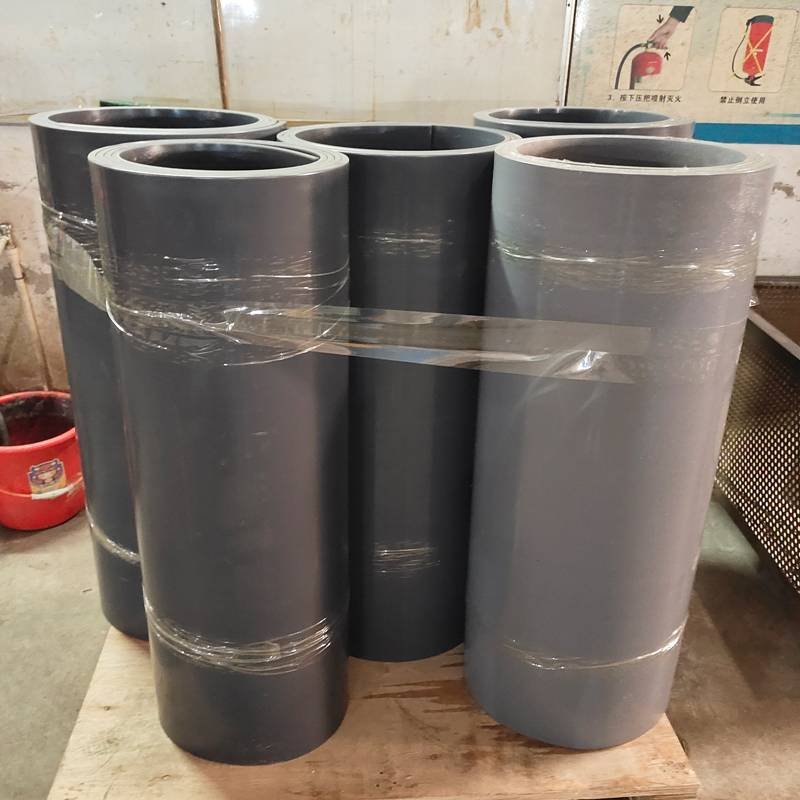
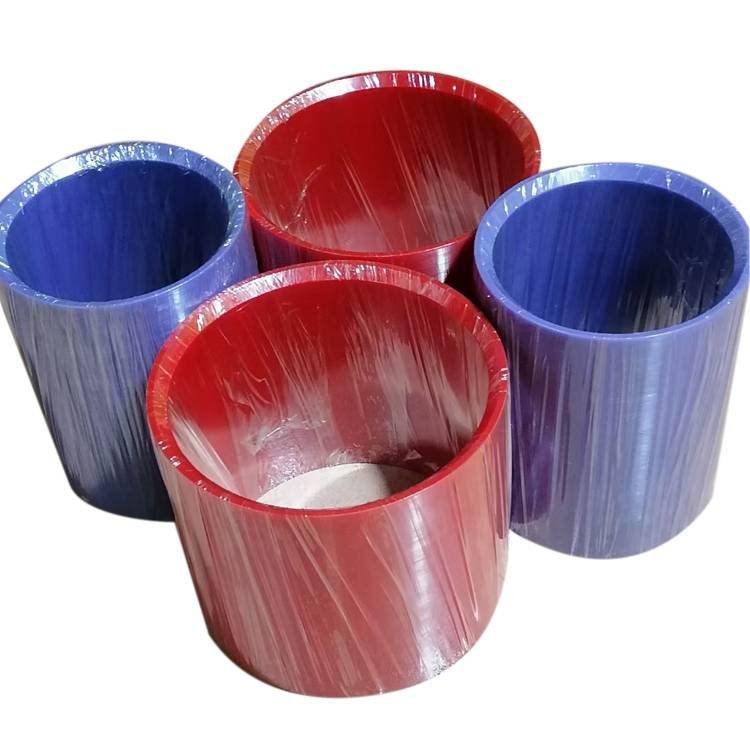
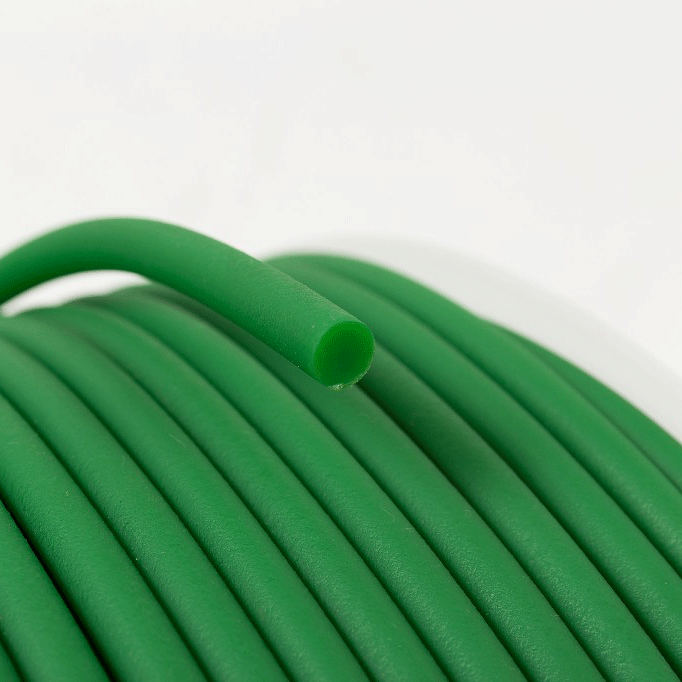
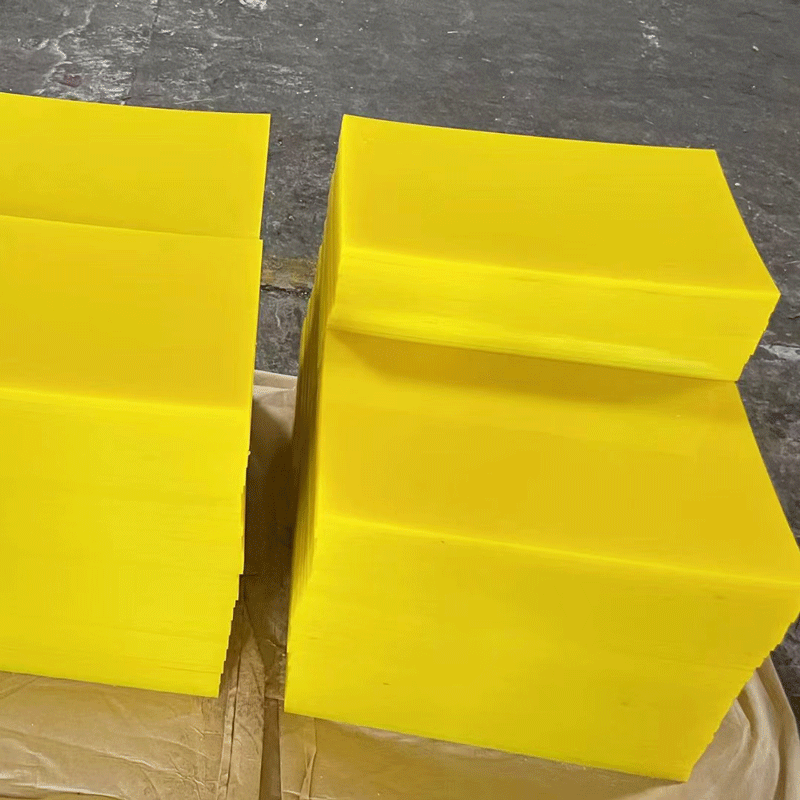
Polyurethane plate is a solid, high-strength elastomer material designed for industrial applications that require superior wear resistance, load-bearing capability, and impact absorption. Compared with thinner polyurethane sheets, PU plates are typically used where material thickness and structural stability are critical.
Thickness Range: Medium to thick plates, customizable
Standard Sizes: Available, custom sizes supported
Hardness Range: Multiple Shore A grades
Density: Uniform and stable
Surface Finish: Smooth or machined
Color Options: Standard or customized
Key Features
Exceptional Abrasion Resistance Ideal for high-wear and sliding contact applications
High Load-Bearing Capacity Maintains shape and performance under continuous pressure
Excellent Impact and Shock Absorption Protects equipment and reduces vibration
Tear and Compression Resistance Suitable for heavy-duty industrial use
Machinable and Fabrication-Friendly Can be cut, drilled, and CNC machined into complex parts
Long Service Life Reduces downtime and replacement frequency
Applications
Industrial wear plates and liners
Equipment support and buffer plates
Conveyor and material handling systems
Machinery base pads and protective layers
Mining, ceramics, and heavy equipment components
Custom polyurethane machined parts
Customization & Manufacturing Support
Custom plate thickness and dimensions
Hardness selection based on working load
Material formulation adjustments
Support for drawings, samples, and OEM projects
Stable production for batch and long-term supply
Frequently Asked Questions
Q1: How is a polyurethane plate different from a polyurethane sheet? Polyurethane plates are thicker and designed for load-bearing and heavy-duty applications, while sheets are thinner and more flexible.
Q2: Can polyurethane plates replace metal or plastic wear plates? In many applications, polyurethane plates offer better wear resistance and impact absorption than metal or rigid plastics.
Q3: Are polyurethane plates suitable for machining? Yes, they can be machined using standard cutting and CNC processes.
Q4: What hardness options are available? Multiple hardness grades are available to match different load and wear conditions.
Q5: Can polyurethane plates be customized for specific equipment? Yes, customization based on drawings or samples is supported.


 Quick View
 Quick View
 Quick View
 English▼