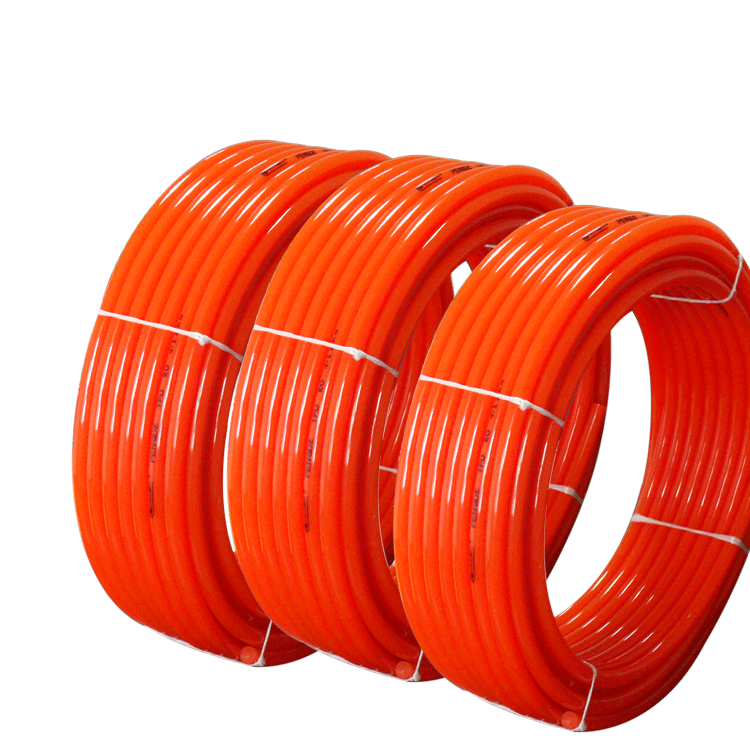
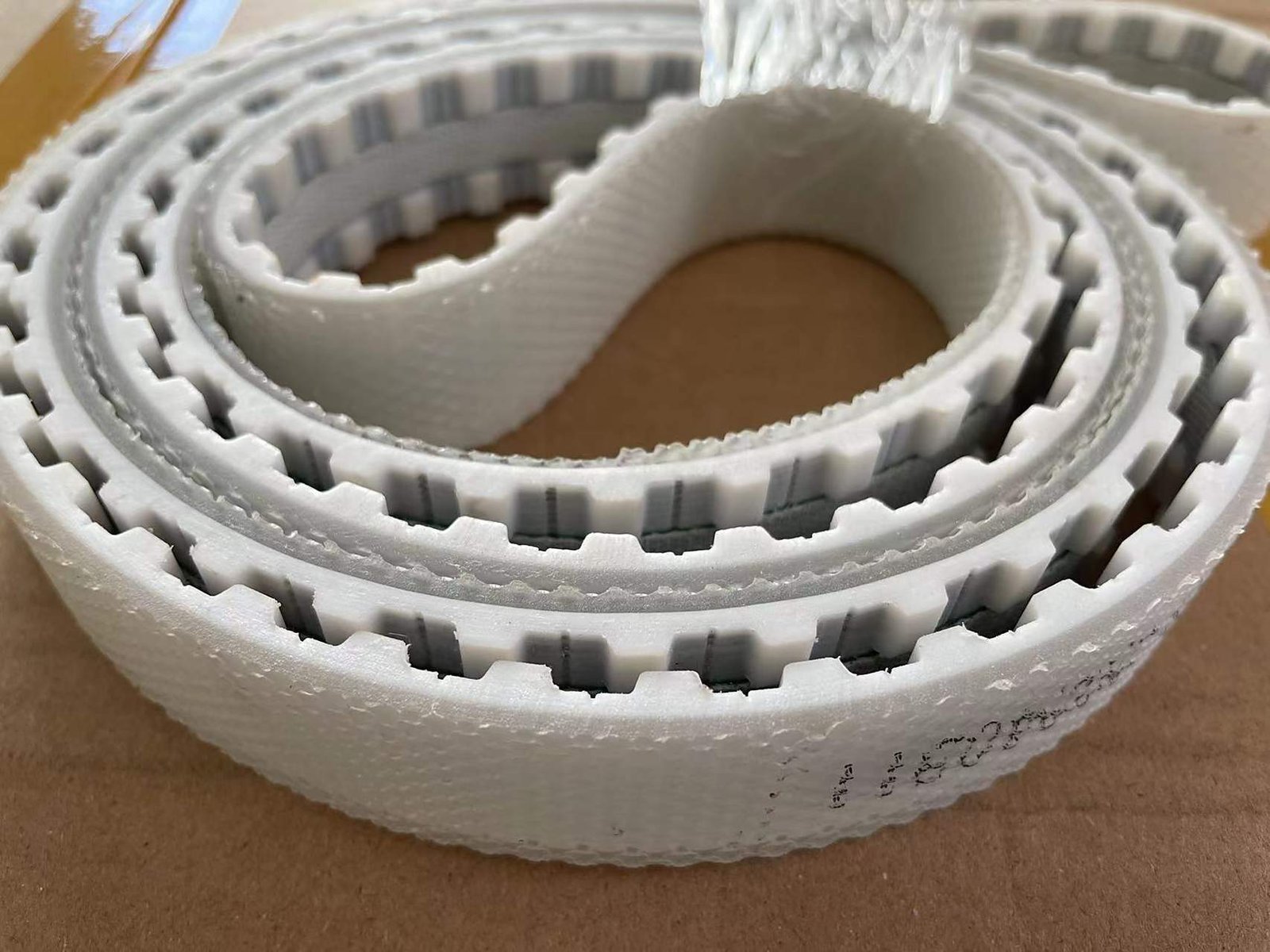
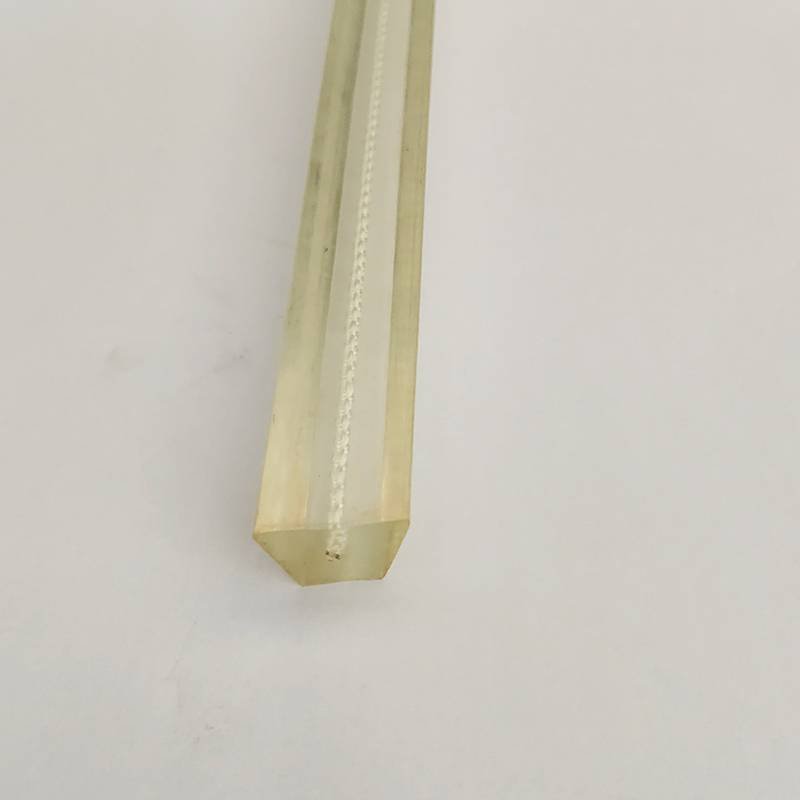
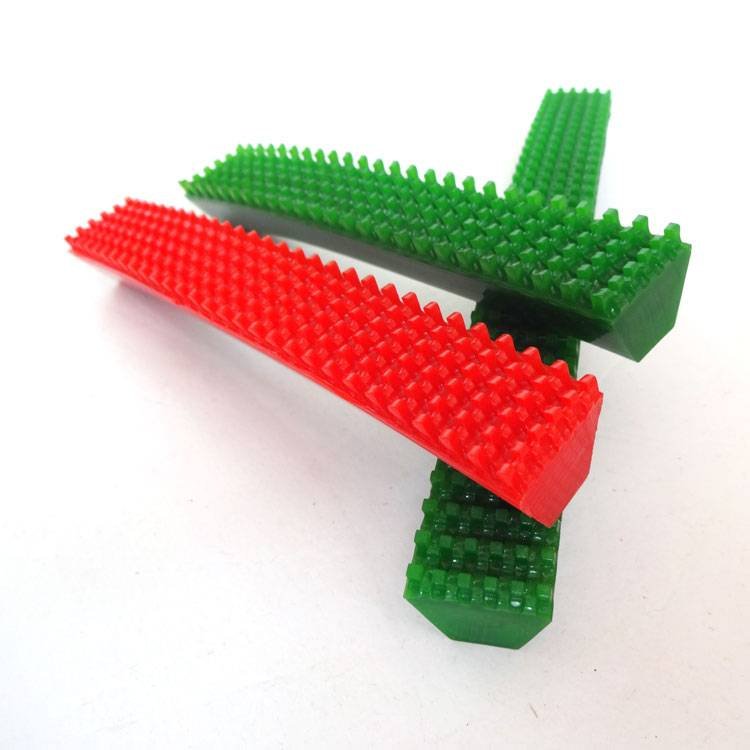
Timing belt conveyors are industrial conveyor systems that use toothed polyurethane (PU) belts to provide precise, synchronized movement of materials. These systems ensure accurate positioning and reliable handling of products on automated production lines, packaging equipment, and assembly lines.
Versatile Industrial Applications Works in packaging, electronics assembly, food processing, and logistics lines
Typical Applications
Automated production lines
Packaging and bottling machines
Electronics assembly conveyors
Food and beverage processing lines
Logistics and distribution centers
Precision manufacturing assembly
Customization & OEM Services
Custom belt width, length, and tooth pitch
Special PU formulations for chemical or high-temperature environments
Custom conveyor frame designs for specific applications
OEM branding and bulk supply options
FAQ
Q1: What is a timing belt conveyor? It is a conveyor system that uses toothed PU belts to move products synchronously, preventing slippage and ensuring precise positioning.
Q2: Why use polyurethane timing belts? PU belts offer high wear resistance, flexibility, and longer service life compared to rubber, while maintaining precise tooth engagement.
Q3: Can I customize the belt size and tooth profile? Yes, width, length, thickness, and tooth type can all be customized to fit your application.
Q4: What industries commonly use timing belt conveyors? They are widely used in automated assembly, packaging, electronics, food processing, and logistics systems.
Q5: How does it differ from a standard conveyor belt? Unlike flat belts, timing belts have teeth that engage with pulleys, providing accurate and synchronized movement without slippage.


 Quick View
 Quick View
 Quick View
 Quick View
 English▼