


Selecting the right polyurethane sheet is essential for maximizing equipment performance, reducing maintenance costs, and extending service life. With various hardness levels, thicknesses, and dimensions available, choosing the right specification depends on your application’s operating conditions rather than simply selecting the thickest or hardest material.
This polyurethane sheet selection guide explains the key factors buyers and engineers should consider before purchasing polyurethane sheets for industrial applications.
Why Choosing the Right Polyurethane Sheet Matters
Polyurethane sheets are widely used in industries such as mining, metalworking, automotive manufacturing, material handling, and heavy machinery. The right material selection can help:
- Improve wear resistance
- Increase equipment lifespan
- Reduce vibration and noise
- Protect expensive tooling
- Lower maintenance and replacement costs
On the other hand, choosing the wrong hardness or thickness may lead to premature wear, reduced performance, or unnecessary costs.
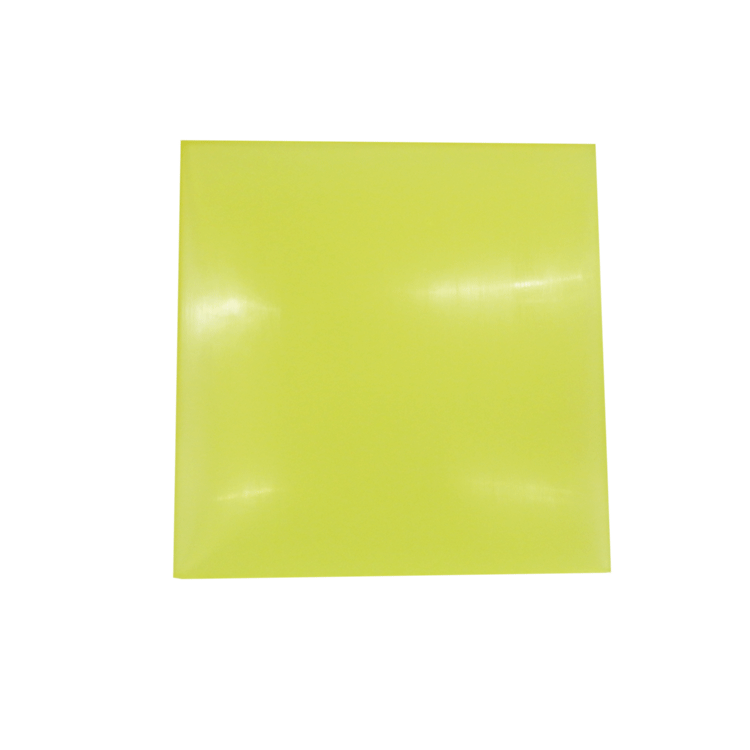
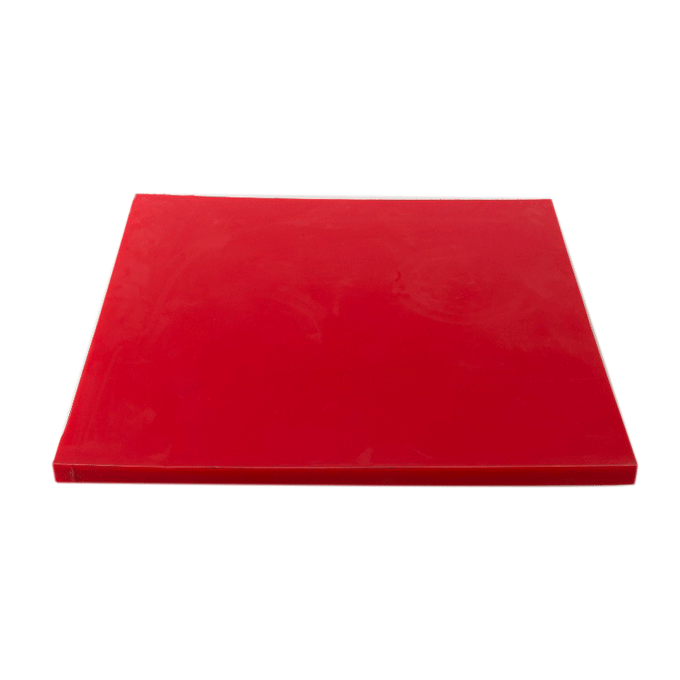
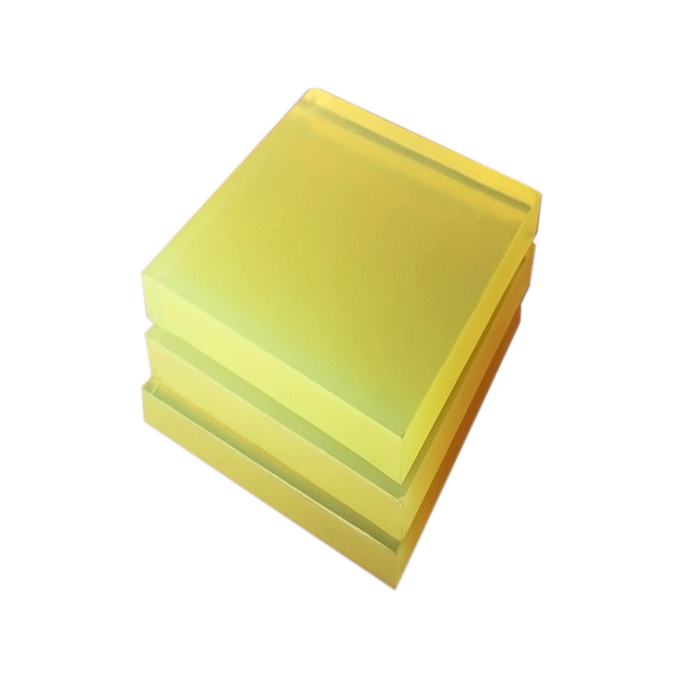
1. Select the Appropriate Hardness
Hardness is one of the most important factors when selecting a polyurethane sheet. It determines the balance between flexibility, load-bearing capacity, and wear resistance.
PENGDE polyurethane sheets are available in 45A to 98A Shore A, covering a wide range of industrial applications.
| Hardness | Characteristics | Typical Applications |
|---|---|---|
| 45A–60A | Soft, highly elastic, excellent cushioning | Shock absorption pads, vibration isolation, protective cushions |
| 60A–80A | Balanced flexibility and strength | General industrial machinery, buffer components, machine pads |
| 80A–98A | High rigidity, superior wear resistance | Wear plates, die pads, mining equipment, heavy-duty machinery |
Selection Tip:
If your application requires absorbing impact or reducing vibration, choose a lower hardness. For applications involving heavy loads, abrasion, or continuous friction, a higher hardness is generally the better choice.
2. Determine the Required Thickness
Polyurethane sheets are available in thicknesses ranging from 0.5 mm to 100 mm.
The appropriate thickness depends on the working load and application.
| Thickness | Recommended Applications |
|---|---|
| 0.5–5 mm | Protective layers, liners, light-duty applications |
| 5–20 mm | General machinery, cushioning pads, industrial components |
| 20–50 mm | Heavy-duty equipment, die pads, impact protection |
| 50–100 mm | High-load machinery, specialized industrial applications |
Using an unnecessarily thick sheet increases material costs, while a sheet that is too thin may wear out prematurely.
3. Consider Size Requirements
Selecting the correct dimensions can reduce waste, simplify installation, and improve production efficiency.
When determining the required size, consider:
- Equipment dimensions
- Installation space
- Contact area
- Load distribution
- Machining requirements
PENGDE offers polyurethane sheets in a variety of standard sizes, including:
- 300 × 300 mm
- 500 × 500 mm
- 500 × 3000 mm
- 1000 × 1000 mm
- 1000 × 2000 mm
- 1000 × 4000 mm
Custom dimensions are also available for specific industrial projects.
4. Evaluate Operating Temperature
Temperature directly affects the performance and service life of polyurethane materials.
Typical operating conditions for polyurethane sheets include:
- Working temperature: -35°C to +80°C
- Short-term maximum temperature: Up to 100°C
If your equipment operates continuously at elevated temperatures, consult your supplier to select a suitable polyurethane formulation.
5. Analyze the Working Environment
The surrounding environment plays a significant role in determining the best polyurethane specification.
Ask the following questions before making a purchase:
- Will the material be exposed to continuous abrasion?
- Is heavy impact involved?
- Does the application require vibration damping?
- Will the sheet come into contact with oil or lubricants?
- Is the equipment used indoors or outdoors?
- Will moisture or chemicals affect performance?
Considering these factors helps ensure optimal material selection and long-term reliability.
Typical Selection Recommendations
Different industries often require different polyurethane sheet specifications.
| Industry | Typical Applications | Recommended Features |
|---|---|---|
| Metalworking | Punch press die pads | Medium to high hardness, excellent compression resistance |
| Mining | Wear liners, impact protection | High hardness, superior wear resistance |
| Automotive Manufacturing | Cushioning pads, machine protection | Good elasticity and oil resistance |
| Heavy Machinery | Buffer components, vibration isolation | Balanced hardness and shock absorption |
| Material Handling | Conveyor liners, wear plates | High abrasion resistance and long service life |
Why Work with a Reliable Polyurethane Sheet Manufacturer?
Beyond material specifications, choosing an experienced manufacturer is equally important.
A reliable supplier should provide:
- Consistent material quality
- Multiple hardness options
- Custom sizes and thicknesses
- Stable production capacity
- Professional technical support
- Strict quality control
Working with an experienced manufacturer helps ensure the polyurethane sheet meets your exact application requirements.
Conclusion
Choosing the right polyurethane sheet requires evaluating several key factors, including hardness, thickness, dimensions, operating temperature, and working environment. Careful material selection not only improves equipment performance but also reduces maintenance costs and extends service life.
PENGDE manufactures high-quality polyurethane sheets in hardness ranges from 45A to 98A, thicknesses from 0.5 mm to 100 mm, and a variety of standard and custom sizes. Whether you need wear-resistant liners, die pads, vibration isolation pads, or customized polyurethane solutions, our team can help you select the most suitable product for your application.
For expert assistance or to request a quotation, please contact PENGDE at pengde2@pengde-pu.com.

