


In industrial screening operations, efficiency, equipment stability, and maintenance costs are critical factors that directly impact productivity and profitability. Traditional metal screens are widely used, but under demanding conditions such as high abrasion, moisture, or impact, they often face issues like:
- Screen blinding or clogging
- Rapid wear and tear
- Frequent maintenance and downtime
- Reduced screening accuracy
As a result, industries such as mining, aggregates, and chemical processing are increasingly turning to polyurethane screen panels as a more reliable solution.
Compared to conventional materials, polyurethane screen panels offer superior durability, flexibility, and screening performance, making them an essential component in modern polyurethane sieve systems.
This article provides a comprehensive overview of how polyurethane screen panels work, their key benefits, applications, and how they significantly improve screening efficiency in industrial environments.
What Are Polyurethane Screen Panels?
Definition and Structure
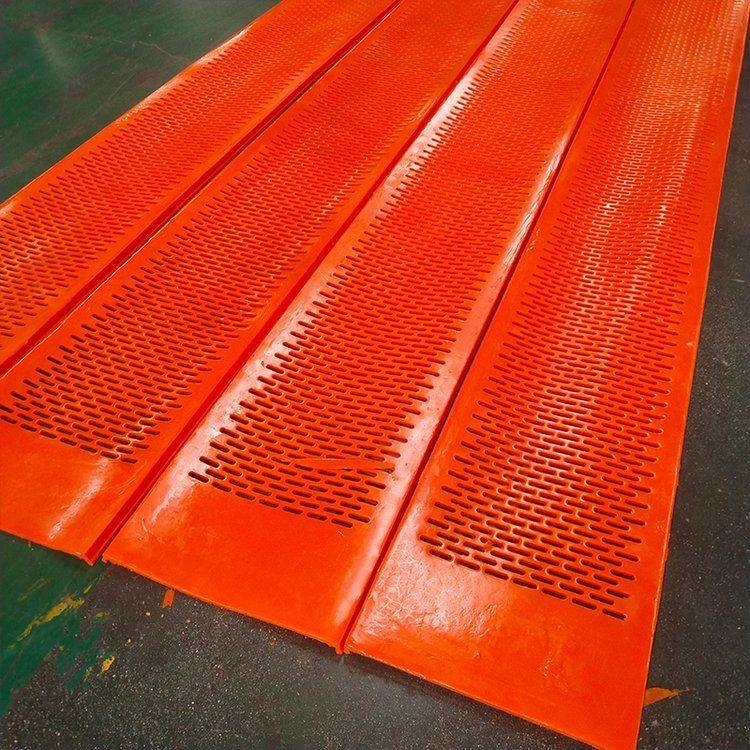
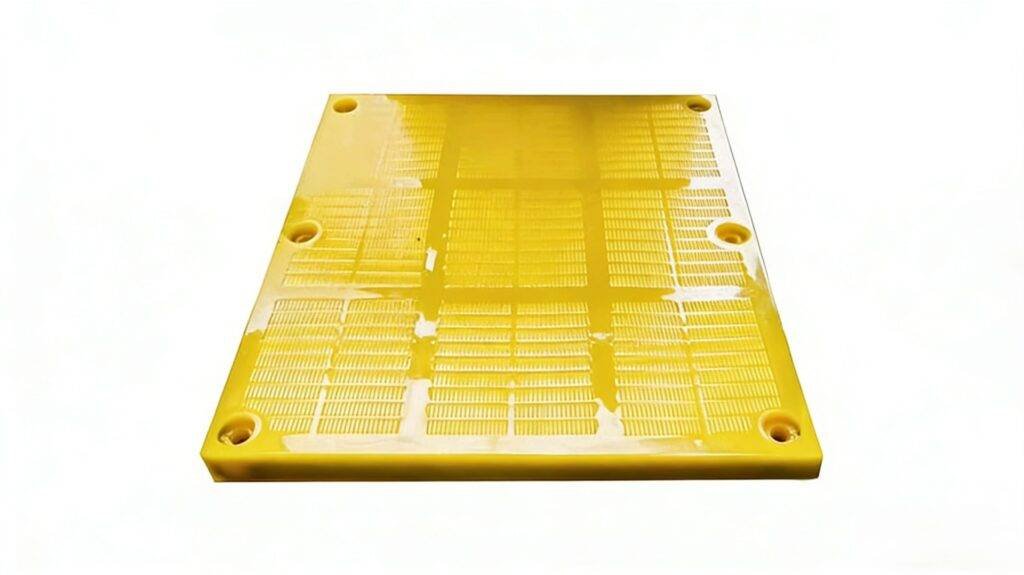
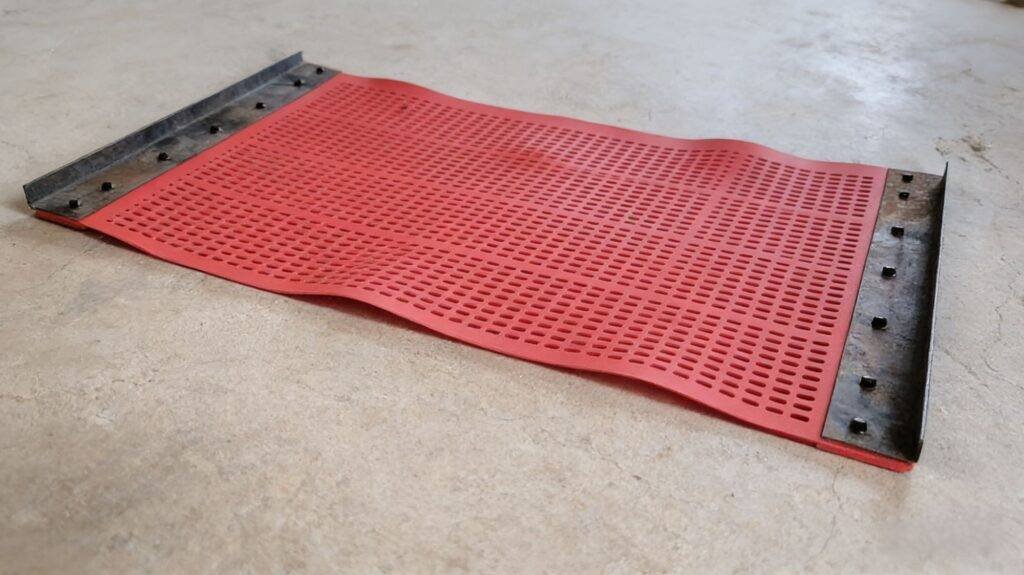
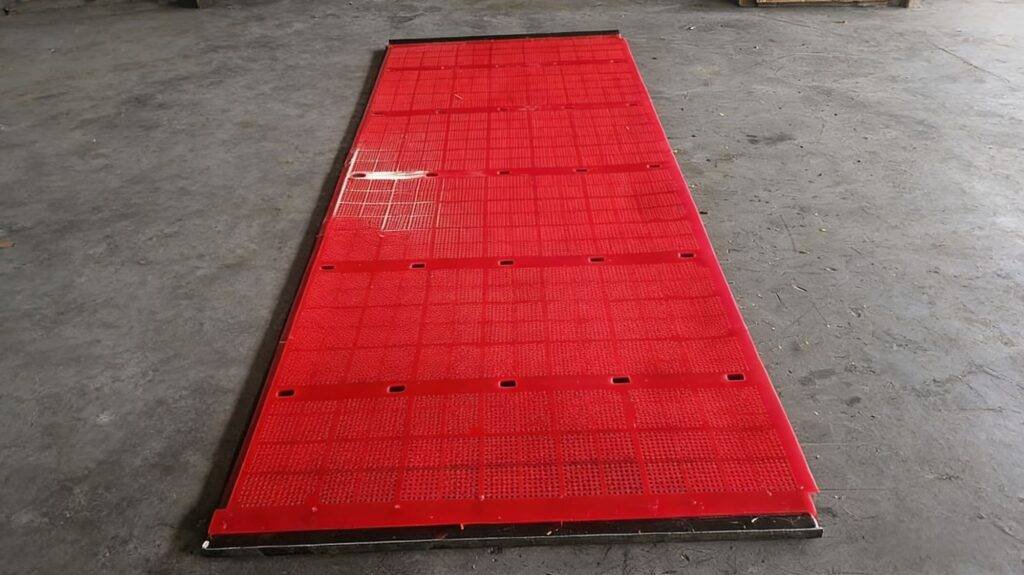
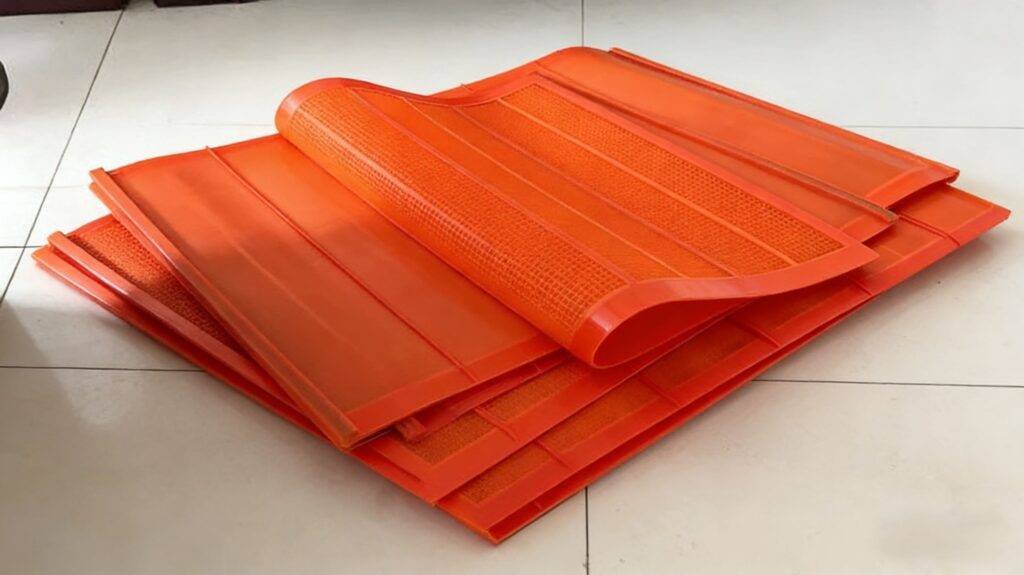
Polyurethane screen panels are modular screening components made from high-performance polyurethane elastomers. They are typically installed in vibrating screening equipment to separate and classify materials by size.
A typical structure includes:
- High-quality polyurethane material
- Precisely engineered apertures (screen openings)
- Reinforced ribs for added strength
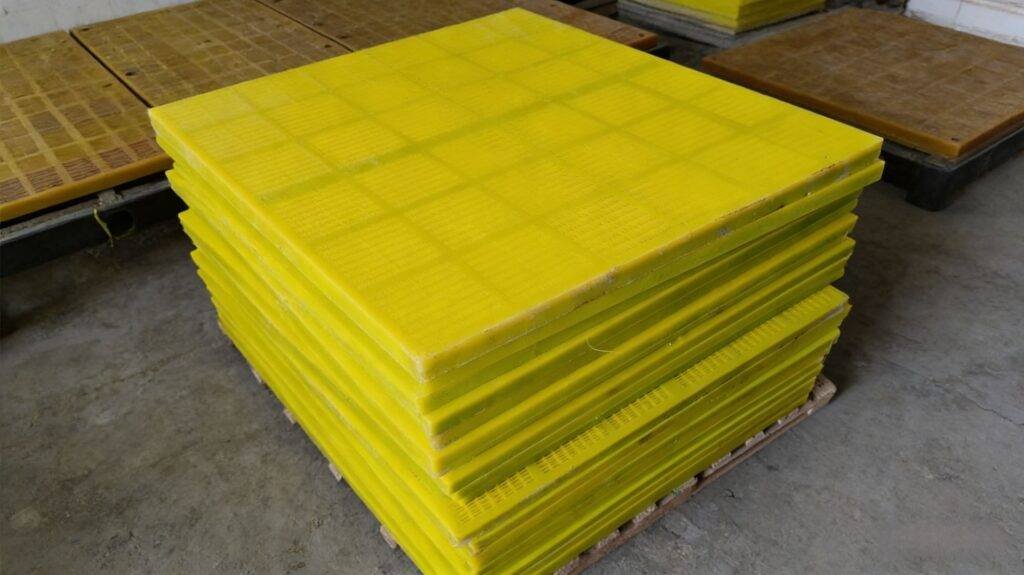
- Modular installation design for easy replacement
This modular structure allows operators to quickly replace worn panels, minimizing downtime and improving operational efficiency.
Manufacturing Process
High-quality polyurethane screen panels are typically produced through a precise manufacturing process:
- Raw material mixing (polyol and isocyanate)
- Casting into molds
- High-temperature curing
- Precision trimming and finishing
- Strict quality inspection
This process ensures consistent mechanical performance, dimensional accuracy, and long service life.
Key Material Properties
The performance of polyurethane screen panels is largely determined by the unique properties of polyurethane material:
1. Exceptional Abrasion Resistance
Polyurethane is highly resistant to wear, even under continuous impact from abrasive materials.
In many applications, service life is 2–5 times longer than steel screens.
2. High Elasticity and Impact Absorption
The elastic nature of polyurethane allows it to absorb impact energy, reducing the risk of cracking or deformation.
3. Anti-Clogging Performance
The flexible structure enables the screen apertures to vibrate slightly during operation, which helps:
- Prevent material sticking
- Reduce screen blinding
- Maintain consistent throughput
This is especially important in wet or sticky material conditions within a polyurethane sieve system.
4. Excellent Chemical and Corrosion Resistance
Polyurethane screen panels perform well in:
- Wet environments
- Acidic or alkaline conditions
- Chemical processing applications
How Polyurethane Screen Panels Work in Screening Systems
Screening Mechanism
In a typical vibrating screening process:
- Material is fed onto the screen surface
- Vibration causes material stratification
- Smaller particles pass through the apertures
- Larger particles remain on the surface
The elasticity of polyurethane screen panels enhances this process by:
- Improving material bounce and movement
- Reducing adhesion to the screen surface
- Increasing overall separation efficiency
Role in a Polyurethane Sieve System
In a complete polyurethane sieve system, the screen panels are the core component responsible for material classification.
They work together with:
- The screen frame
- The vibration system
- The support structure
to ensure efficient and stable screening performance.
The quality of the screen panels directly determines the efficiency and accuracy of the entire system.
Impact on Screening Efficiency
By optimizing material flow and reducing common issues such as clogging, polyurethane screen panels can significantly improve screening performance:
- Higher throughput rates
- Reduced clogging and blinding
- Improved classification accuracy
- Lower recirculation of materials
In many real-world applications, screening efficiency can increase by 20%–40%, depending on operating conditions.
Key Advantages of Polyurethane Screen Panels
1. Improved Screening Efficiency
Thanks to their optimized aperture design and flexible structure, polyurethane screen panels allow materials to pass more efficiently through the screen surface, resulting in:
- Higher open area utilization
- Reduced material blockage
- Increased production capacity
2. Extended Service Life
Compared to traditional steel screens:
| Aspect | Polyurethane | Steel |
|---|---|---|
| Wear resistance | High | Medium |
| Service life | Longer | Shorter |
| Replacement frequency | Lower | Higher |
| Maintenance cost | Reduced | Higher |
3. Reduced Downtime
The modular design of polyurethane screen panels allows for:
- Quick installation and replacement
- Reduced downtime
- Continuous production operations
4. Noise and Vibration Reduction
Polyurethane naturally absorbs vibration and reduces noise levels during operation, creating a more stable and efficient working environment.
5. Energy Efficiency
Due to lower friction and improved material flow:
- Equipment operates more efficiently
- Energy consumption is reduced
- Overall system performance is improved
Polyurethane Screen Panels vs Traditional Screen Materials
Polyurethane vs Steel Screens
| Feature | Polyurethane | Steel |
|---|---|---|
| Abrasion resistance | Excellent | Moderate |
| Flexibility | High | Low |
| Anti-clogging | Strong | Weak |
| Service life | Longer | Shorter |
| Noise level | Lower | Higher |
Polyurethane vs Rubber Screens
- Polyurethane screen panels
- Higher strength and durability
- Better wear resistance
- Suitable for heavy-duty applications
- Rubber screens
- Softer and more flexible
- Better for light-duty or low-impact applications
Applications of Polyurethane Screen Panels
Mining Industry
Used for ore classification and separation in demanding environments where abrasion is high.
Aggregate and Quarrying
Widely used in sand, gravel, and stone processing to improve efficiency and output quality.
Coal Processing
Enhances coal grading, reduces impurities, and improves combustion efficiency.
Chemical and Industrial Processing
Used for powder screening and fine particle classification in chemical and manufacturing industries.
How to Choose the Right Polyurethane Screen Panels
1. Material Hardness and Elasticity
- High-impact conditions → higher elasticity
- High-wear conditions → higher hardness
2. Aperture Size and Design
- Larger apertures → coarse screening
- Smaller apertures → fine screening
3. Operating Conditions
Consider:
- Moisture levels
- Material type
- Processing capacity
4. System Compatibility
Ensure compatibility with your polyurethane sieve system in terms of:
- Size and dimensions
- Installation method
- Structural design
Why Choose PENGDE as Your Supplier
PENGDE pengde2@pengde-pu.com is a professional manufacturer specializing in high-performance polyurethane products, with over 15 years of industry experience.
Our advantages include:
- Extensive customization capabilities
- Stable and reliable material performance
- Strict quality control standards
- Proven global supply experience
Conclusion
Polyurethane screen panels have become a critical component in modern industrial screening systems. With their superior wear resistance, extended service life, and improved screening efficiency, they provide a reliable solution for demanding applications.
For companies looking to improve productivity, reduce maintenance costs, and enhance screening performance, choosing high-quality polyurethane screen panels is a strategic and cost-effective decision.
FAQ
What are polyurethane screen panels used for?
They are used for material classification and screening in industrial processes such as mining, aggregates, and chemical processing.
How do polyurethane screen panels improve efficiency?
They reduce clogging, increase throughput, and improve screening accuracy through their flexible and durable structure.
Are polyurethane screen panels better than steel screens?
In most cases, yes. They offer better wear resistance, longer service life, and lower maintenance requirements.
What is a polyurethane sieve system?
A polyurethane sieve system refers to a screening setup that uses polyurethane screen panels for material separation and classification.

