


Thermoplastic polyurethane (TPU) tubes are a versatile material used across many industries due to their flexibility, durability, and resistance to wear. Whether in automotive fuel lines, medical catheters, or industrial fluid transfer systems, TPU tubes are integral to ensuring performance and longevity. This article explores the entire manufacturing process of TPU tubes, from raw material selection to testing and quality control. Understanding how these tubes are made will help businesses make informed decisions when selecting materials for their applications.
What Are Thermoplastic Polyurethane Tubes?
Before diving into the manufacturing process, let’s define thermoplastic polyurethane (TPU). TPU is a class of polyurethane plastics known for their flexibility, durability, and resistance to abrasions, chemicals, and extreme temperatures. Thermoplastic polyurethane tubes, made from this versatile material, offer excellent performance for various applications such as:
- Automotive systems: Fuel lines, brake lines, air-conditioning hoses
- Medical devices: Catheters, flexible tubing, fluid management
- Industrial equipment: Pneumatic systems, robotics, and machinery
The key features that make thermoplastic polyurethane tubes so widely used include:
- Flexibility: Ideal for tight spaces and complex routes
- Durability: Excellent wear resistance and longevity
- High Performance: Works effectively under extreme temperatures and harsh conditions
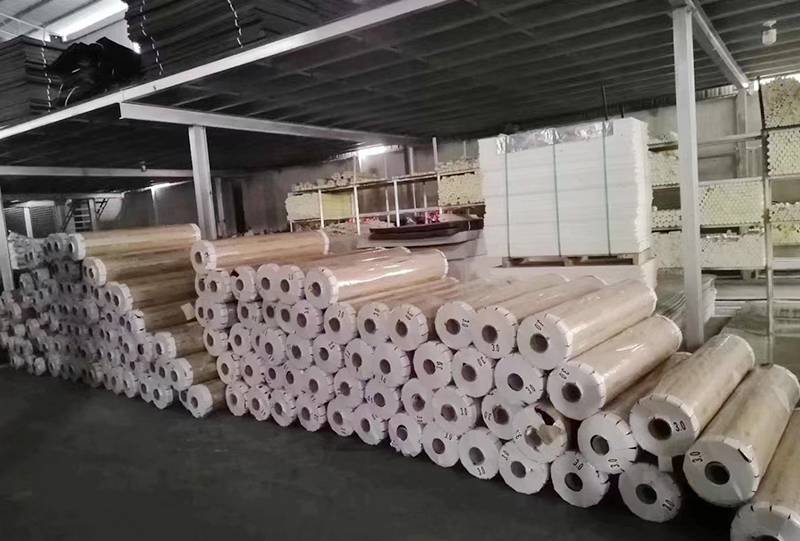
The Manufacturing Process of Thermoplastic Polyurethane Tubes
The manufacturing process of TPU tubes involves several stages, each contributing to the final product’s performance and quality. Below is a breakdown of these critical steps:
1. Raw Material Selection
The first step in manufacturing TPU tubes is selecting the appropriate raw materials. TPU is typically made from a combination of diisocyanates, polyols, and chain extenders. The choice of these materials directly affects the performance characteristics of the final tubes, such as:
- Hardness
- Elasticity
- Chemical resistance
Manufacturers choose specific materials based on the required application. For instance, medical-grade thermoplastic polyurethane tubes must meet stringent regulatory standards, while automotive TPU tubes may need enhanced abrasion resistance.
2. Extrusion Process
The next step is the extrusion process, which is the heart of TPU tube manufacturing. In this process:
- Polyurethane pellets are heated to their melting point.
- The melted material is then pushed through a mold, forming a continuous tube.
- The temperature and pressure must be carefully controlled to ensure the TPU is formed properly, avoiding issues like air bubbles or weak spots.
The extrusion process allows for precise control over tube dimensions, such as diameter and wall thickness. Customizations can be made based on the needs of the specific application, whether that’s a flexible, lightweight tube for medical use or a heavier-duty tube for industrial machinery.
3. Cooling and Solidification
Once the TPU has been extruded into the tube shape, the next step is cooling and solidification. The newly extruded TPU tube is cooled to harden the material. The cooling process is critical because it affects the final tube’s structural integrity. Cooling too quickly can cause internal stresses, while cooling too slowly can lead to uneven material properties.
- Controlled cooling ensures the tube maintains its flexibility, strength, and overall durability.
- Air cooling or water baths are often used to achieve the desired solidification.
4. Cutting and Shaping
After the TPU tube has solidified, it is cut into specific lengths as per the customer’s requirements. This step involves:
- Cutting the tube to the desired size
- Shaping the tube ends if necessary (for connectors or fittings)
Customization options are available, such as adjusting the diameter or adding additional features, such as colored stripes or markings for identification.
5. Testing and Quality Control
Quality control is a crucial stage in TPU tube manufacturing to ensure the final product meets industry standards and customer specifications. The testing phase typically involves:
- Pressure testing: To verify that the tube can withstand the required pressure without rupturing.
- Temperature resistance testing: To ensure the tube maintains performance in extreme temperatures.
- Flexibility tests: Ensuring the tube bends easily without cracking or breaking.
- Dimensional accuracy checks: Verifying that the tube’s length, diameter, and wall thickness meet specifications.
Manufacturers also check for defects such as surface imperfections, air bubbles, or uneven material distribution.
Technical Considerations in TPU Tube Extrusion
While extrusion is the core forming method, manufacturing high-quality thermoplastic polyurethane tubes requires precise technical control throughout the process.
Extruder Type
Most TPU tubes are produced using single-screw extruders due to TPU’s stable melt behavior. For specialized formulations or high-output production, twin-screw extruders may be used to improve mixing and consistency.
Temperature Control (170°C–220°C)
TPU processing temperatures typically range between 170°C and 220°C depending on hardness and formulation.
Precise temperature control is essential to prevent:
- Material degradation
- Surface defects
- Melt instability
Moisture Control Before Extrusion
TPU is hygroscopic, meaning it absorbs moisture from the air.
Before extrusion, raw TPU pellets must be dried to a moisture content below 0.02%.
Failure to properly dry the material can result in:
- Air bubbles
- Surface roughness
- Reduced mechanical strength
Vacuum Calibration and Sizing
After exiting the die, the molten TPU tube passes through a vacuum sizing tank.
This ensures:
- Precise outer diameter control
- Smooth surface finish
- Dimensional stability
Inline Diameter Monitoring
Modern TPU tube production lines use laser or ultrasonic measuring systems to monitor wall thickness and outer diameter in real time.
This guarantees tight tolerances, especially for medical and precision industrial tubing.
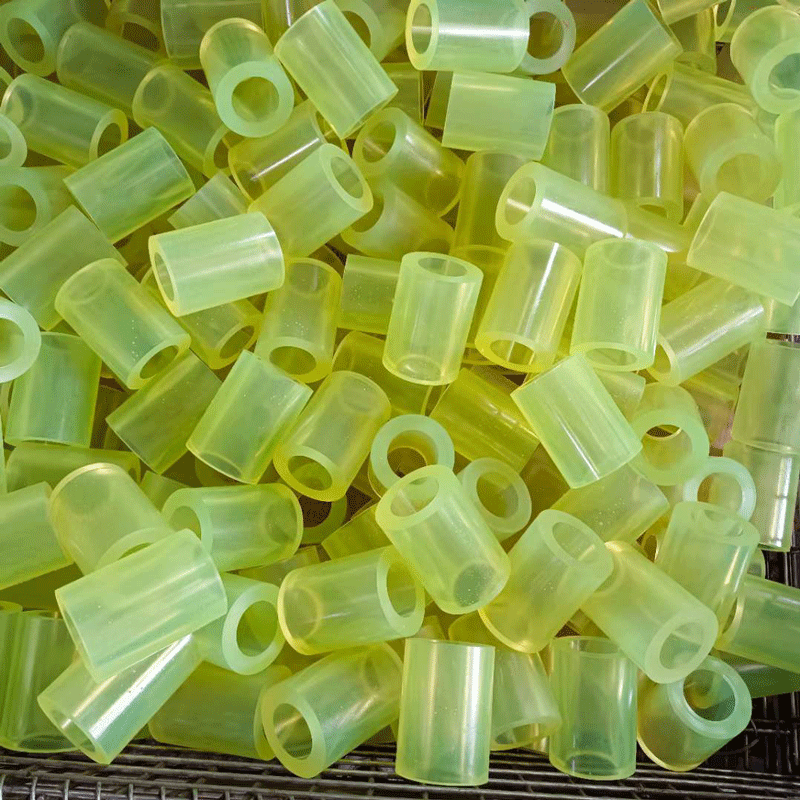
Common Manufacturing Challenges in TPU Tube Production
Producing thermoplastic polyurethane tubes involves several technical challenges that directly impact final product performance.
Moisture Sensitivity
Improper drying can cause hydrolysis during extrusion, weakening the molecular structure and reducing durability.
Wall Thickness Consistency
Uneven material flow inside the extrusion die may lead to inconsistent wall thickness.
Advanced die design and pressure control are required to ensure uniform distribution.
Dimensional Shrinkage
TPU can shrink slightly during cooling. Manufacturers must carefully calibrate cooling speed to minimize internal stress and distortion.
Surface Imperfections
Air entrapment or unstable melt flow may cause surface defects such as:
- Micro-bubbles
- Rough texture
- Flow lines
Pressure Resistance Stability
For pneumatic and hydraulic applications, burst pressure consistency is critical.
Strict control of extrusion pressure and cooling rates ensures reliable performance under load.
Addressing these challenges is essential for producing high-performance TPU tubing suitable for demanding environments.
TPU Tubes vs Other Tubing Materials
When selecting tubing materials, it is important to compare TPU with other common alternatives such as PVC, silicone, and nylon.
| Property | TPU Tubes | PVC Tubes | Silicone Tubes | Nylon Tubes |
|---|---|---|---|---|
| Flexibility | Excellent | Moderate | Excellent | Moderate |
| Abrasion Resistance | Very High | Low | Low | High |
| Oil & Chemical Resistance | Excellent | Moderate | Good | Excellent |
| Transparency | High | Moderate | High | Low |
| Temperature Range | -40°C to 80°C | -10°C to 60°C | -60°C to 200°C | -40°C to 120°C |
| Durability | Long lifespan | Moderate | Moderate | High |
Why TPU Stands Out
- Better abrasion resistance than PVC and silicone
- More flexible than nylon
- Strong oil and fuel resistance
- High clarity for fluid visibility
This makes thermoplastic polyurethane tubes ideal for automotive, medical, and industrial fluid transfer systems.
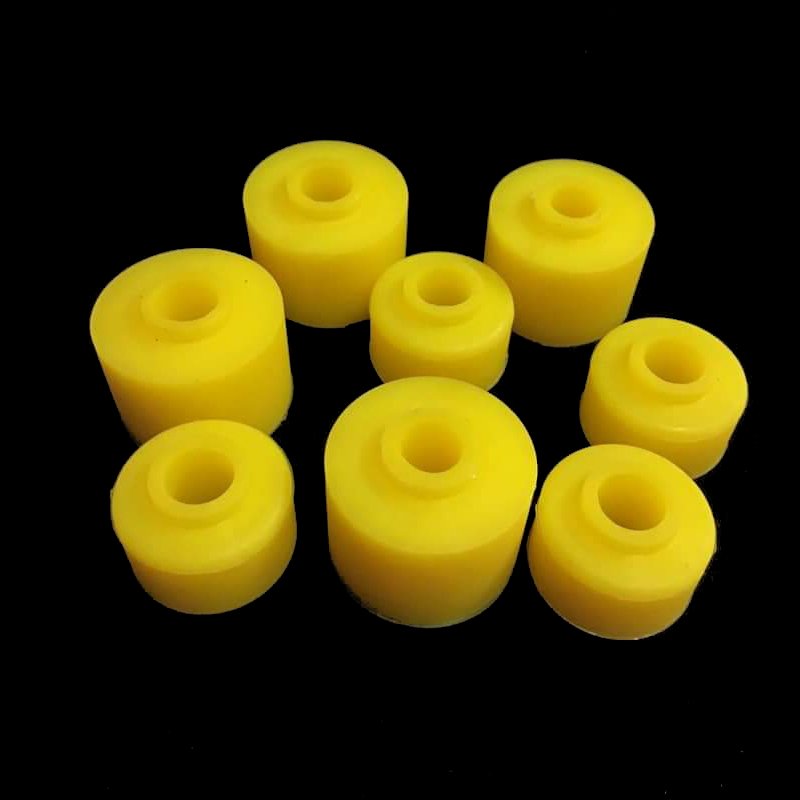
Benefits of Thermoplastic Polyurethane Tubes
Thermoplastic polyurethane tubes offer several key advantages that make them a preferred choice for industries worldwide:
- Durability: TPU tubes resist wear, tear, and abrasions, extending the lifespan of the equipment they’re used in.
- Flexibility: TPU’s inherent flexibility makes it easy to route the tubes in complex systems and confined spaces.
- High Performance: Thermoplastic polyurethane tubes are designed to perform well under extreme conditions, such as high or low temperatures and exposure to harsh chemicals.
- Environmental Benefits: TPU is considered more eco-friendly than some alternatives, offering a lower environmental impact during production and use.
Applications of Thermoplastic Polyurethane Tubes
TPU tubes are used across a wide range of industries, each benefiting from their unique properties. Some of the key applications include:
- Automotive: TPU tubes are used in fuel lines, air conditioning hoses, and brake lines due to their durability and resistance to temperature extremes.
- Medical: Medical-grade TPU tubes are used in devices like catheters, fluid transfer systems, and flexible tubing due to their biocompatibility and flexibility.
- Industrial: In the industrial sector, TPU tubes are used in pneumatic systems, robotics, and various machinery where flexibility, durability, and resistance to harsh environments are required.
How to Choose the Right Thermoplastic Polyurethane Tube
Selecting the correct TPU tube depends on several technical factors.
1. Working Pressure
Determine the required burst pressure and operating pressure.
Thicker wall tubing is recommended for high-pressure systems.
2. Temperature Range
Ensure the TPU formulation matches the operating temperature.
For cold environments, polyether-based TPU is often preferred due to better hydrolysis resistance.
3. Chemical Exposure
If the tube will contact oils, fuels, or solvents, verify chemical compatibility with the specific TPU grade.
4. Regulatory Requirements
For medical or food-contact applications, choose TPU materials that comply with:
- FDA regulations
- EU food safety standards
- REACH compliance
5. Flexibility Requirements
For dynamic systems with frequent bending, select softer Shore hardness grades for improved flex life.
Consulting with an experienced TPU tube manufacturer ensures optimal material selection and long-term performance.
Conclusion
The manufacturing process of thermoplastic polyurethane tubes involves a careful, multi-step process that ensures the final product is durable, flexible, and suitable for a wide range of applications. From raw material selection to extrusion and quality control, each step plays a vital role in producing high-performance TPU tubes. Whether you’re in the automotive, medical, or industrial sector, understanding the TPU tube manufacturing process is essential to choosing the right material for your needs.
At PENGDE, we specialize in providing high-quality, customized thermoplastic polyurethane tubes tailored to meet your specific requirements. With over 15 years of experience in the polyurethane industry, we are committed to delivering durable and reliable products for your business. Whether you’re looking for automotive solutions, medical-grade tubes, or industrial applications, we have the expertise to support your needs.
Feel free to contact pengde2@pengde-pu.com for custom TPU tube solutions or to discuss how we can help enhance your projects. We look forward to partnering with you and providing the best polyurethane products for your business.

