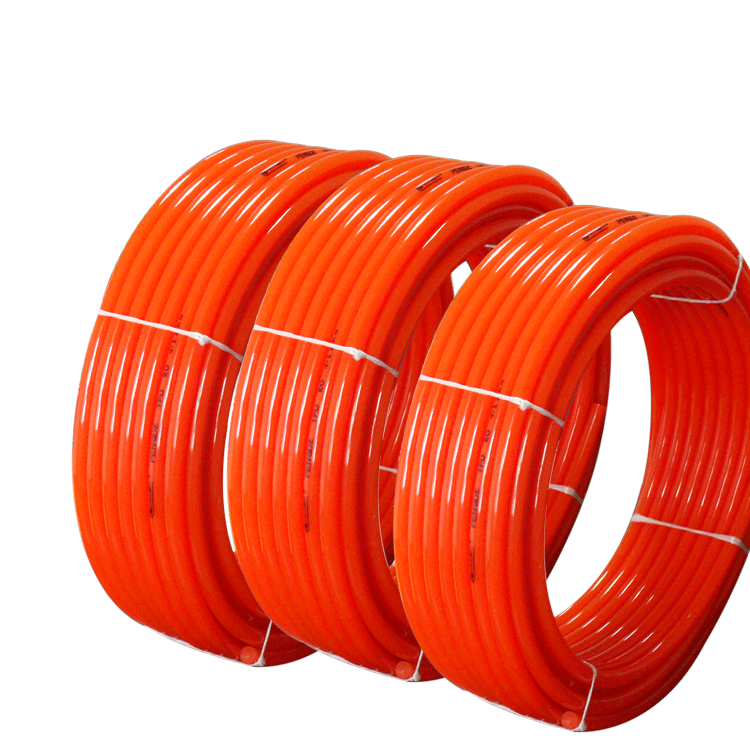
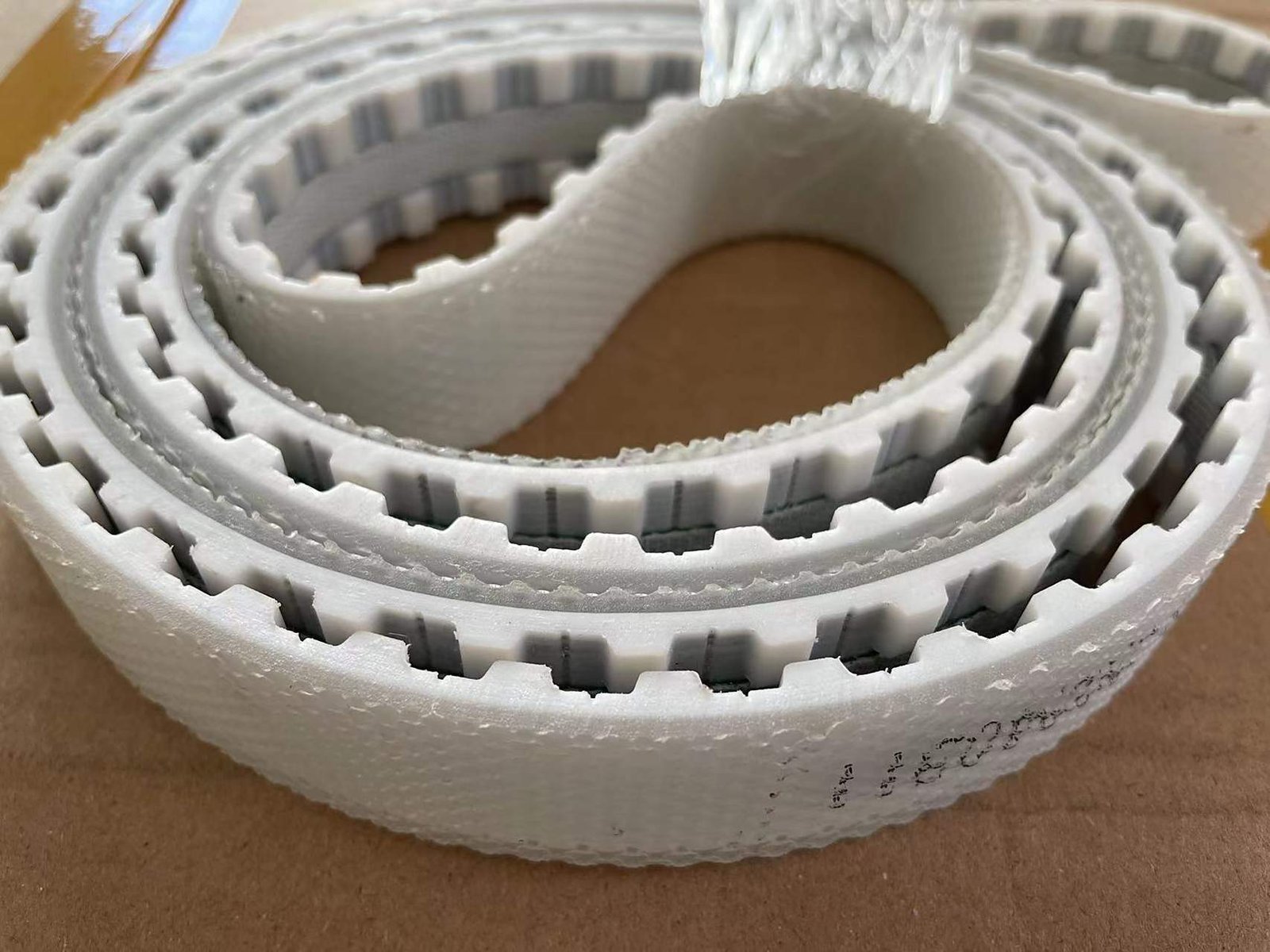
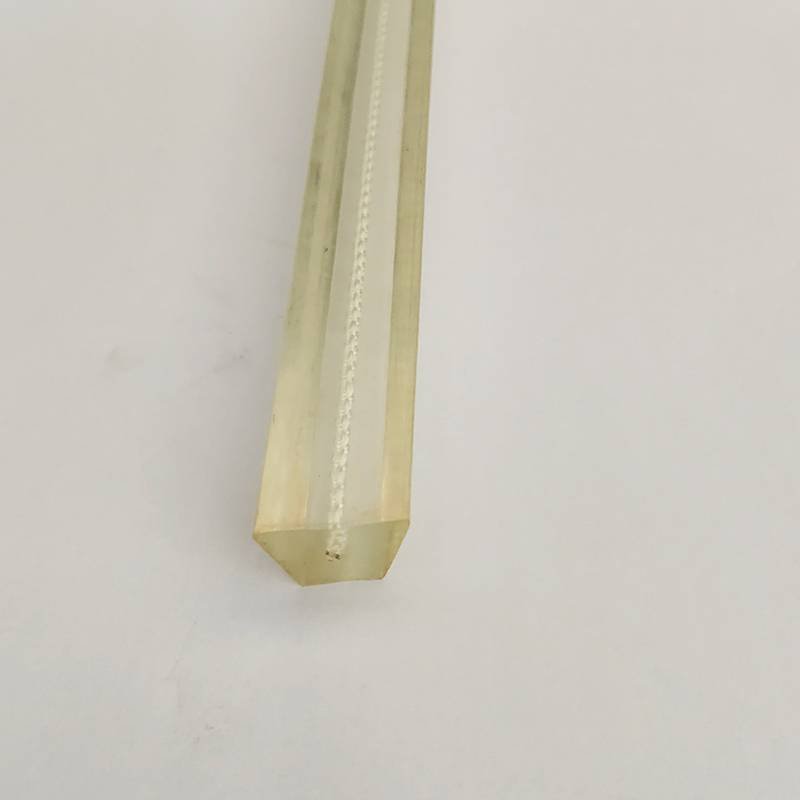
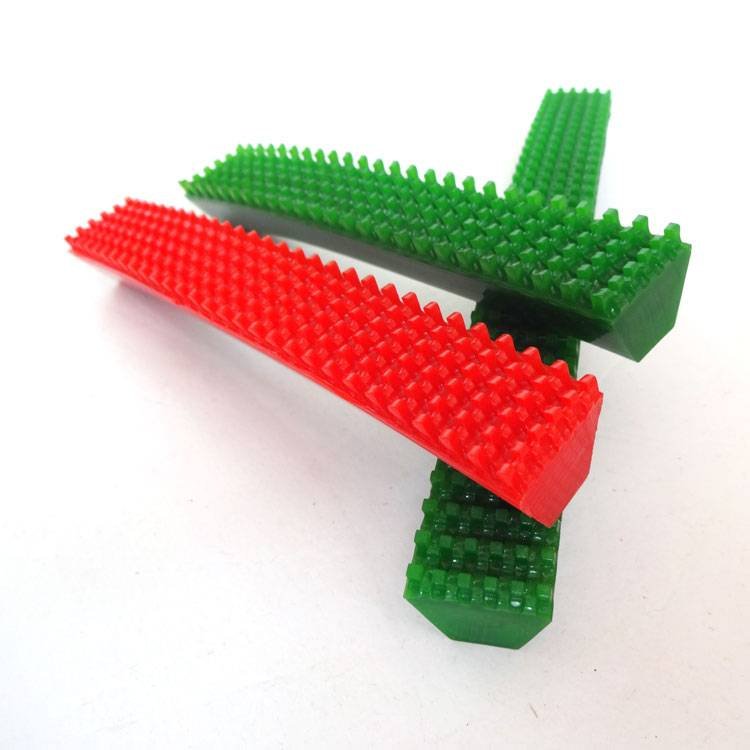
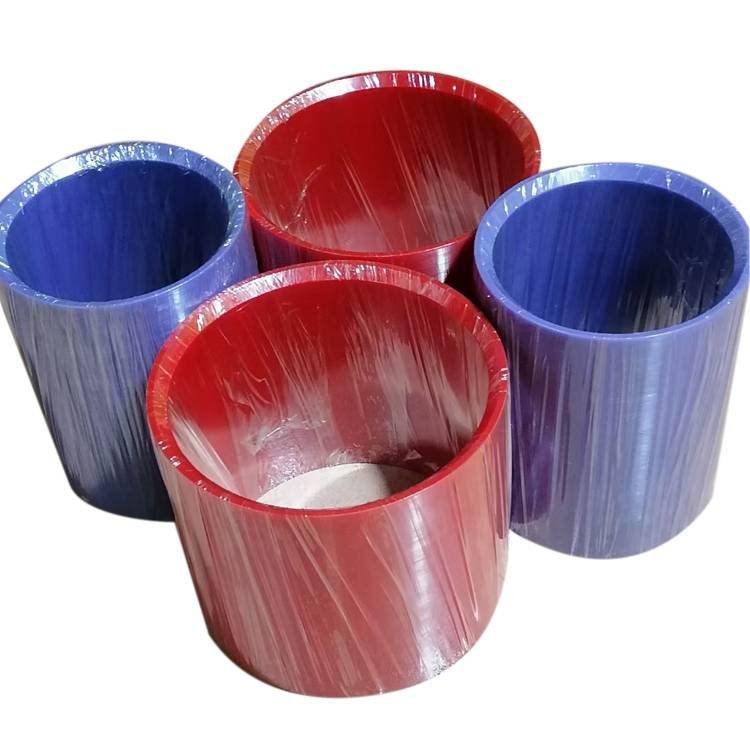
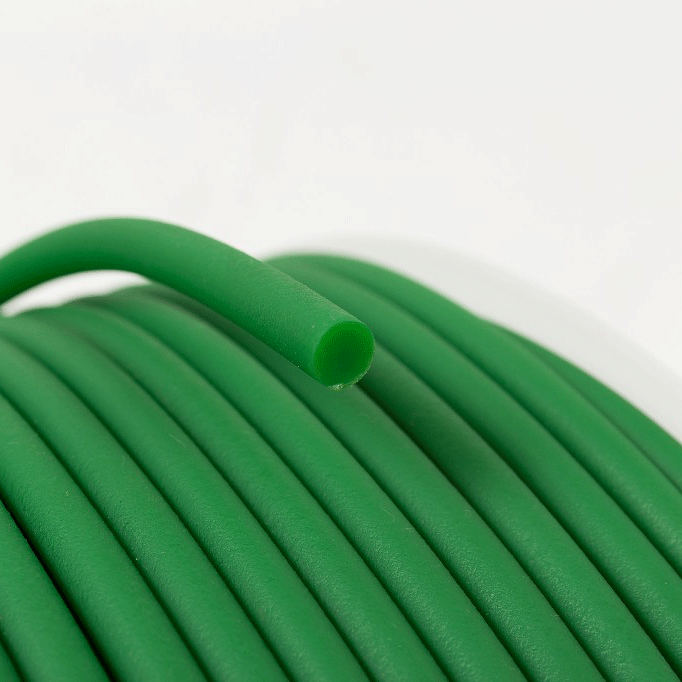
1. The heptagonal shape of the belt provides flexibility and reduces the chances of breaking or stretching under tension.
2. Withstand harsh conditions and heavy loads.
3. Widely used in the ceramic, machine, and packing industries.
High Wear Resistance Durable under continuous industrial use
Elastic & Flexible Maintains performance under tension and heavy loads
Stable Power Transmission Reduces slippage for precise motion and high efficiency
Chemical & Oil Resistant Suitable for food, packaging, or industrial environments
Customizable Dimensions & Profiles Designed to fit conveyors, packaging lines, and OEM machinery
Low Maintenance & Long Service Life Reduces downtime and replacement frequency
Product Specifications
Specification
X(mm)
Y(mm)
Hardness
M/Roll
Reinforced
A
13
15
90-92A
30
OK
B
17
19
90-92A
30
OK
C
22
24.5
90-92A
30
OK
Applications
Industrial conveyors and material handling systems
Packaging and food processing machinery
Automated guided vehicles (AGVs) and robotics
Printing, labeling, and assembly lines
OEM replacement belts for industrial equipment
General power transmission applications
Customization & Supply Options
Custom widths, lengths, and hardness levels
Flat, round, toothed, and custom profiles
Small-batch prototyping and large-scale production
OEM and replacement belt solutions
FAQ
Q1: What is a polyurethane belt used for? It is used to transmit power and motion in conveyors, machinery, and automated systems.
Q2: Why choose PU or TPU belts? They provide high wear resistance, elasticity, chemical resistance, and long service life compared to traditional rubber belts.
Q3: Can these belts be customized? Yes, you can customize width, length, profile, and hardness according to your machinery requirements.
Q4: Which industries use polyurethane belts? Industrial manufacturing, packaging, food processing, logistics, and OEM equipment widely use PU belts.
Q5: Are these belts resistant to oils and chemicals? Yes, PU and TPU belts resist industrial lubricants, oils, and mild chemicals.


 Quick View
 Quick View
 Quick View
 Quick View
 English▼