


In industrial manufacturing, automation systems, and pneumatic applications, coil tubes are essential components for flexible connections. However, many engineers and procurement professionals face a common question:
Should you choose a PU coil tube or a PVC coil tube?
Each material has distinct advantages in terms of cost, performance, and application suitability. Choosing the wrong option can lead to increased maintenance costs and reduced system efficiency.
In this guide, we will compare PU coil tube and PVC coil tube in detail, covering material properties, performance differences, application scenarios, and supplier selection tips, helping you make an informed decision.
What Is a PU Coil Tube?
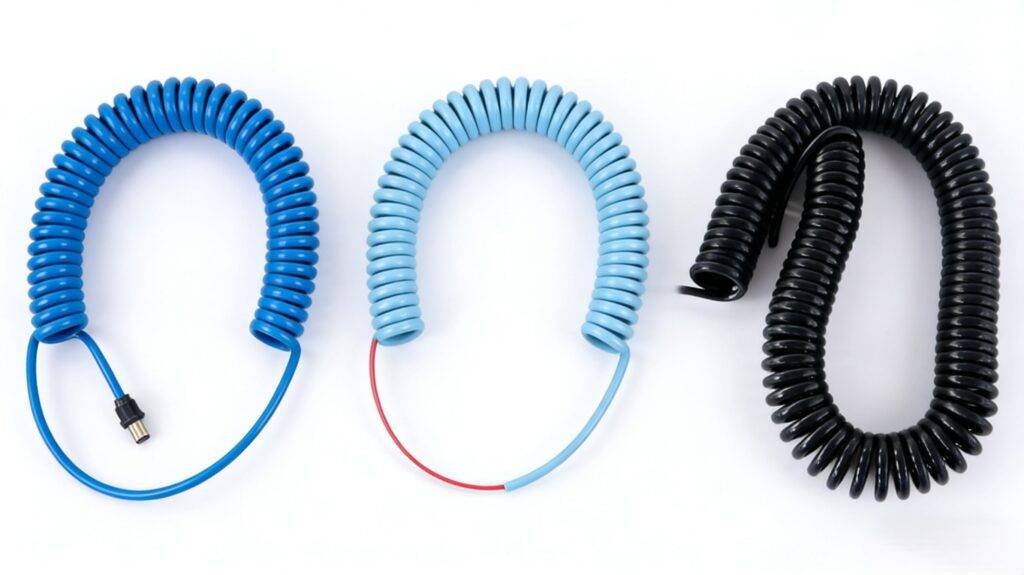
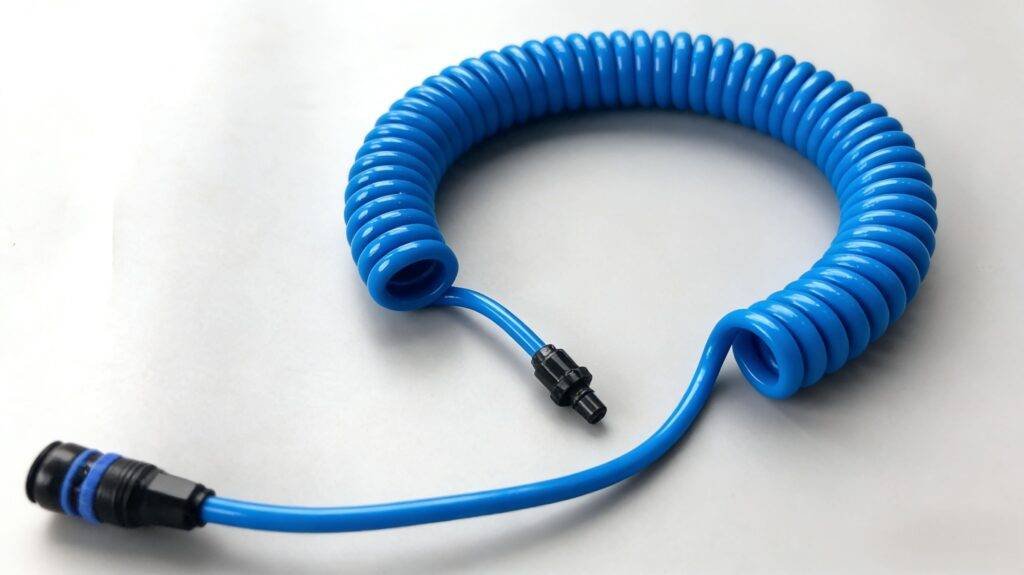
A PU coil tube is a spiral tube made from polyurethane, known for its excellent flexibility and durability. It is widely used in demanding industrial environments.
Key Features:
- High elasticity and memory: Quickly returns to its original shape after stretching
- Excellent abrasion resistance: Suitable for high-frequency use
- Strong anti-kinking performance: Maintains shape under stress
- Oil and low-temperature resistance: Performs well in harsh conditions
Common Applications:
- Pneumatic connections in automation systems
- Industrial machinery
- Automotive assembly lines
- Cable protection systems, similar to telephone coil cord structures
Thanks to its superior performance, pu coil tube is often considered the preferred choice for mid-to-high-end industrial applications.
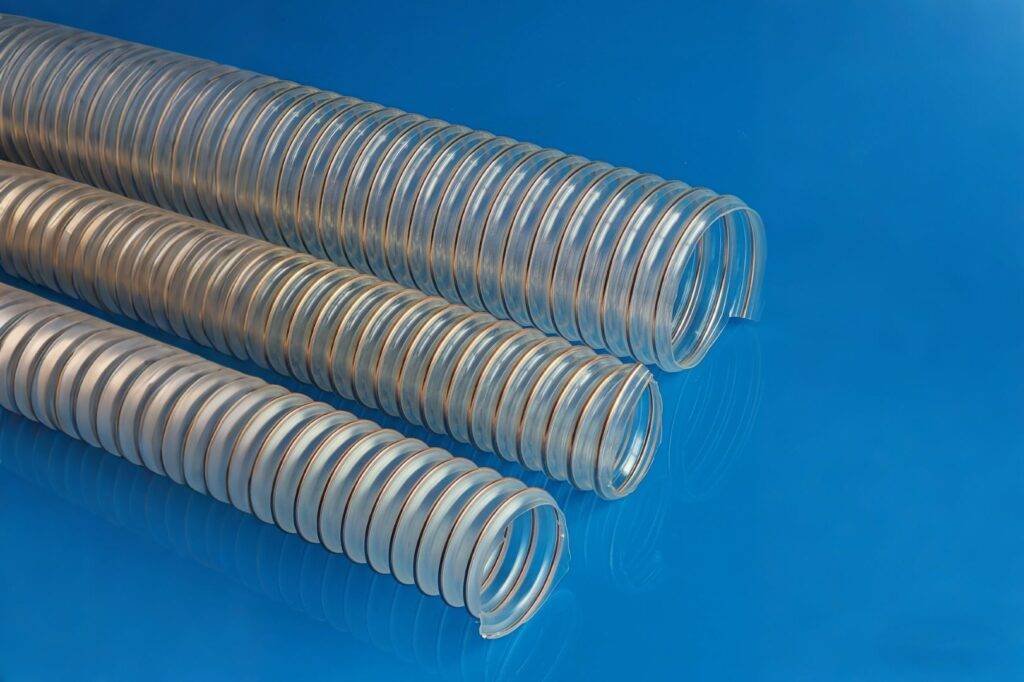
What Is a PVC Coil Tube?
A PVC coil tube is made from polyvinyl chloride and is commonly used in light-duty applications due to its lower cost.
Key Features:
- Cost-effective: Ideal for budget-sensitive projects
- Easy to process: Simple manufacturing and shaping
- Moderate flexibility: Suitable for basic use
Common Applications:
- Household equipment
- Low-pressure pneumatic systems
- Temporary or light-duty setups
However, compared to pu coil tube, PVC generally offers lower durability and shorter service life.
PU Coil Tube vs PVC Coil Tube: Key Differences
Comparison Table
| Feature | PU Coil Tube | PVC Coil Tube |
|---|---|---|
| Flexibility | Very high | Moderate |
| Elastic memory | Excellent | Limited |
| Abrasion resistance | Excellent | Moderate |
| Durability | Long lifespan | Shorter lifespan |
| Temperature resistance | Wide range | Limited |
| Oil resistance | Strong | Weak |
| Cost | Higher | Lower |
Flexibility and Elasticity
PU coil tube offers significantly better flexibility and elastic recovery than PVC. This makes it ideal for applications involving repeated stretching and movement, where PVC may deform over time.
Durability and Wear Resistance
Durability is critical in industrial environments. pu coil tube provides superior abrasion resistance, ensuring longer service life even under harsh conditions. PVC, on the other hand, is more prone to wear and cracking.
Temperature and Environmental Resistance
Polyurethane maintains flexibility even at low temperatures, while PVC tends to become brittle in cold conditions and soften under high heat. This makes pu coil tube more reliable in extreme environments.
Cost and Long-Term Value
While PVC coil tube has a lower upfront cost, it often requires more frequent replacement.
In the long run, pu coil tube offers better value due to its durability and reduced maintenance needs.
Advantages and Disadvantages
Pros and Cons of PU Coil Tube
Pros:
- High flexibility and durability
- Excellent wear resistance
- Suitable for demanding environments
Cons:
- Higher initial cost
Pros and Cons of PVC Coil Tube
Pros:
- Lower cost
- Easy to manufacture
Cons:
- Shorter lifespan
- Lower resistance to harsh conditions
Application Guide: Which One Should You Choose?
Choose pu coil tube if:
- You operate in industrial or automation environments
- The application involves frequent movement
- Long-term durability is critical
- System reliability is a priority
Choose PVC coil tube if:
- You have a limited budget
- The application is light-duty
- The usage is temporary or non-critical
Industry Use Cases
PU coil tube is widely used across multiple industries:
Automation and Machinery
Provides stable pneumatic connections for high-performance systems
Automotive Manufacturing
Used in assembly lines requiring high flexibility and durability
Ceramic Machinery
Integrated with PU rollers and belts as part of a complete system solution
Cable Protection
Functions similarly to telephone coil cord, improving cable management and safety
How to Choose a Reliable Coil Tube Supplier
Selecting the right supplier is just as important as choosing the right material.
Key Factors to Consider:
- Manufacturing experience
- Customization capability (size, hardness, color)
- Quality control systems
- Ability to provide integrated solutions
With over 15 years of experience, PENGDE pengde2@pengde-pu.com specializes in polyurethane products and continuously invests in advanced manufacturing equipment. As a family-owned manufacturer, the company focuses on delivering reliable, high-performance PU solutions for global industrial partners, especially in sectors such as ceramics, automation, and machinery.
Conclusion
In summary:
- PU coil tube is the better choice for high-performance, durable, and industrial applications
- PVC coil tube is suitable for low-cost, light-duty use
If your project prioritizes long-term reliability and performance, pu coil tube is the smarter investment.
FAQ
What is the main difference between pu coil tube and PVC coil tube?
The main differences lie in flexibility, durability, and lifespan, with PU offering superior overall performance.
Is pu coil tube worth the higher cost?
Yes. Its longer lifespan and lower maintenance requirements make it more cost-effective over time.
Can PVC coil tube be used in industrial applications?
Yes, but only for light-duty or non-critical applications.
How long does a pu coil tube last?
It typically lasts significantly longer than PVC under similar conditions.
Is pu coil tube suitable for outdoor use?
Yes. It performs well in various environmental conditions, including outdoor applications.

