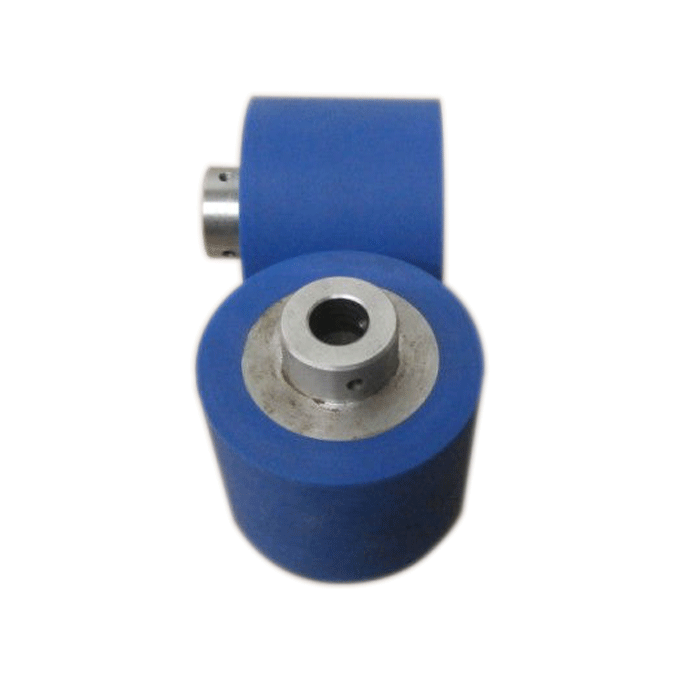
In modern industrial automation systems, roller components play a crucial role in ensuring stable and efficient machine operation. Among them, the urethane drive roller has become a widely used solution due to its excellent wear resistance, traction, and load-bearing capacity. These rollers are commonly used in conveyor systems, packaging equipment, printing machines, and ceramic manufacturing machinery.
Simply put, a urethane drive roller is a drive wheel consisting of a metal core covered with a polyurethane outer layer. It not only transmits power effectively but also maintains stable performance in high-load and high-friction environments. Compared with traditional rubber rollers or plastic rollers, polyurethane drive rollers offer superior durability, impact resistance, and service life.
This article explains the structure, key advantages, and typical industrial applications of the urethane drive roller, helping engineers and procurement professionals better understand this important industrial component.
What Is a Urethane Drive Roller?
A urethane drive roller is a mechanical component designed to transmit power within industrial equipment. It typically consists of a metal core combined with a polyurethane outer layer. The roller transfers rotational force to belts, surfaces, or other machine components, allowing the equipment to operate smoothly.
In industrial systems, drive rollers serve several important functions, such as:
- Transmitting mechanical power
- Providing stable traction and friction
- Maintaining smooth operation of conveyor systems
Because polyurethane materials provide excellent elasticity and wear resistance, a urethane roller can maintain consistent performance even under continuous heavy-duty operation.
The Role of Drive Rollers in Industrial Machinery
In automated production lines and industrial equipment, drive rollers are key components of the power transmission system. They are usually connected to motors or drive mechanisms and transfer motion through rolling friction to conveyor belts or machine parts.
The primary roles of drive rollers include:
- Supplying power to conveyor systems
- Controlling the movement speed of materials
- Maintaining consistent machine performance
In these applications, the material used on the roller surface directly affects machine efficiency and durability.
Why Polyurethane Is Used for Drive Rollers
Among many industrial materials, polyurethane is considered an ideal choice for drive rollers. A polyurethane drive roller provides an excellent balance of wear resistance, elasticity, and traction.
Key advantages of polyurethane materials include:
- High abrasion resistance
- Good elasticity
- Strong impact resistance
- Stable friction coefficient
These characteristics make the urethane drive roller a common component in modern industrial machinery.
Structure of a Urethane Drive Roller
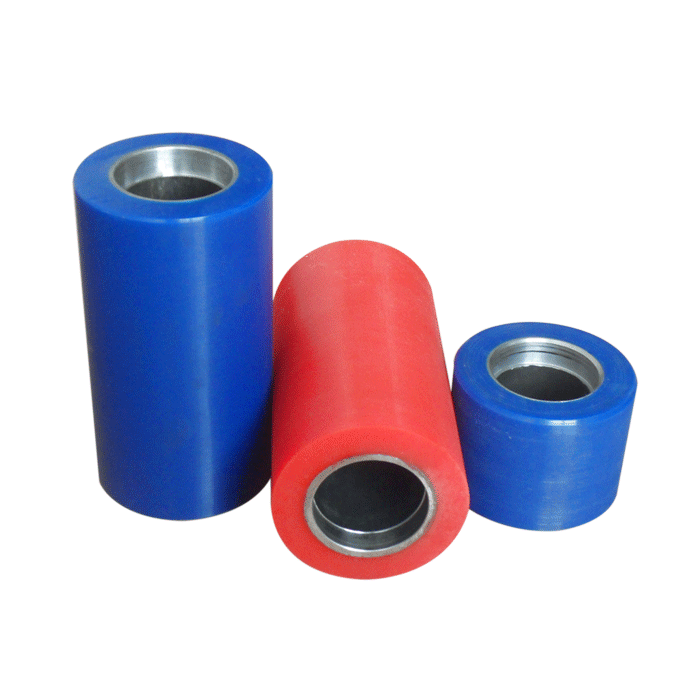
To achieve both strength and durability, a urethane drive roller is typically designed with a layered structure. Each component plays an important role in the overall performance of the roller.
Steel or Aluminum Core
The internal core of the drive roller is usually made of steel or aluminum. This metal core provides the structural strength and load-bearing capability required for industrial applications.
Advantages of the metal core include:
- High structural strength
- Excellent mechanical stability
- Reliable load-bearing capacity
Polyurethane Outer Layer
The outer surface of the roller is typically covered with polyurethane material. This polyurethane roller coating provides friction, wear resistance, and cushioning.
Compared with traditional rubber materials, polyurethane offers superior durability and a more consistent friction coefficient, which helps improve machine efficiency.
Bonding Technology
To ensure long-term performance, the polyurethane layer must be firmly bonded to the metal core. Advanced bonding technology ensures that the urethane roller covering remains secure during heavy-duty operation without delamination or cracking.
High-quality manufacturing processes are critical to ensuring the durability and reliability of the roller.
Key Benefits of Using a Urethane Drive Roller
Because of the unique characteristics of polyurethane materials, the urethane drive roller offers several important advantages in industrial environments.
Exceptional Wear Resistance
Polyurethane is widely recognized as one of the most wear-resistant elastomer materials available. Under similar operating conditions, a urethane drive roller can last significantly longer than traditional rubber rollers.
This makes it ideal for applications such as:
- High-friction conveyor systems
- Automated production lines
- Industrial machinery
High Load-Bearing Capacity
With a strong metal core and durable polyurethane coating, the urethane drive roller can support heavy loads and operate reliably in demanding industrial environments.
Excellent Traction and Grip
Polyurethane materials provide a stable friction coefficient. This means a urethane drive roller can deliver reliable traction, helping conveyor systems operate smoothly and efficiently.
Chemical and Oil Resistance
Industrial environments often involve exposure to lubricants, oils, or chemicals. Polyurethane materials offer good resistance to oil and many chemicals, allowing the roller to maintain stable performance in harsh conditions.
Long Service Life
Due to its abrasion resistance and impact strength, the urethane drive roller typically has a longer service life than rollers made from conventional materials. This helps reduce maintenance frequency and operational costs.
Common Industrial Applications of Urethane Drive Rollers
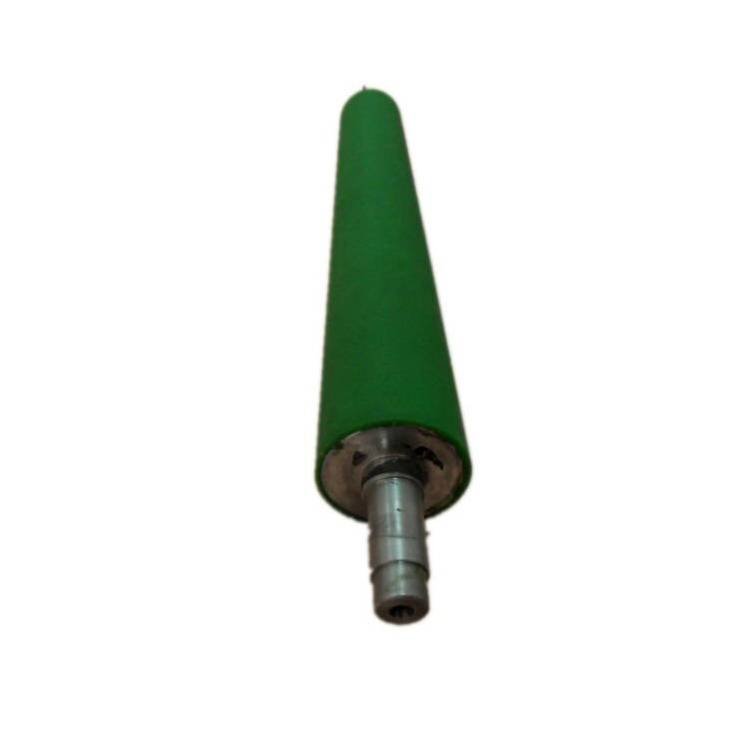
Thanks to its strong performance characteristics, the urethane drive roller is widely used across multiple industries.
Conveyor Systems
In conveyor systems, drive rollers are responsible for moving conveyor belts and materials. A high-quality urethane drive roller provides consistent traction and improves overall system efficiency.
Packaging Machinery
Packaging equipment relies on drive rollers to control product movement and maintain consistent processing speed during packaging operations.
Printing and Textile Equipment
In printing and textile machinery, rollers must provide stable friction and high wear resistance. For this reason, a polyurethane drive roller is often the preferred option.
Ceramic Manufacturing Equipment
In ceramic manufacturing systems, rollers often operate continuously under heavy loads. PENGDE has extensive experience supplying polyurethane components for the ceramics industry, including rollers and wheels, PU squeegees, and TPU belts.
Urethane Drive Roller vs Rubber Roller
In many industrial applications, companies compare the performance of different roller materials before making a decision.
| Feature | Urethane Drive Roller | Rubber Roller |
|---|---|---|
| Wear Resistance | High | Moderate |
| Load Capacity | High | Medium |
| Service Life | Long | Shorter |
| Chemical Resistance | Excellent | Limited |
Overall, the urethane drive roller offers superior wear resistance and durability, which is why it is increasingly used in modern industrial equipment.
How to Choose the Right Urethane Drive Roller
Selecting the right urethane drive roller requires evaluating several key factors.
Roller Diameter and Size
The roller dimensions must match the machine design to ensure stable and efficient operation.
Hardness (Shore A)
Different hardness levels are suitable for different applications. Higher hardness is typically used for heavy-load equipment, while lower hardness may be preferred for cushioning applications.
Load Capacity
The operational load of the equipment should be considered when selecting a roller. Insufficient load capacity may lead to premature wear.
Operating Environment
Environmental conditions such as temperature, oil exposure, or chemical contact should also be considered when selecting roller materials.
Custom Urethane Drive Rollers for Industrial Applications
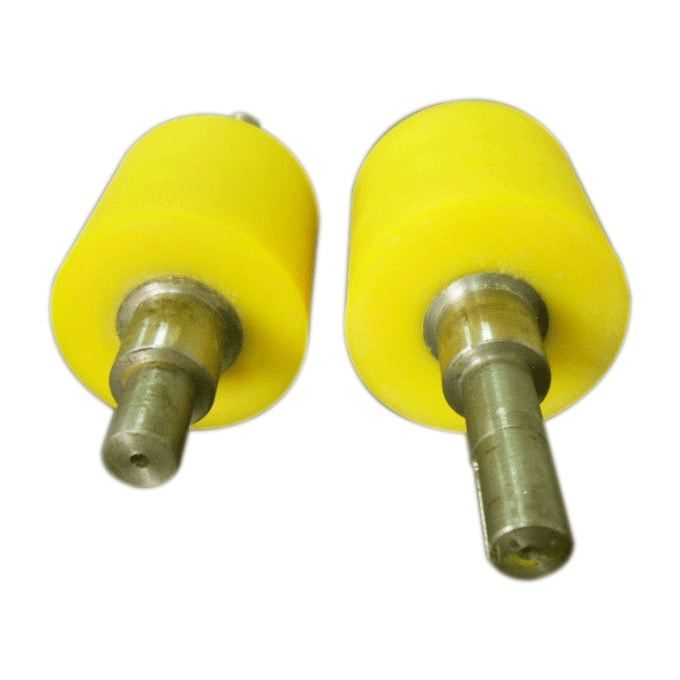
In many cases, standard rollers may not fully meet specific equipment requirements. As a result, customized urethane drive roller solutions are often needed.
Custom rollers can be designed according to specific operational needs, including:
- Custom dimensions
- Different hardness levels
- Specialized surface textures
- Tailored material formulations
With more than 15 years of experience in polyurethane manufacturing, PENGDE continues to invest in advanced equipment and production technology to deliver high-quality polyurethane components and customized solutions for global customers.
Conclusion
The urethane drive roller is a key component in modern industrial equipment. With its excellent wear resistance, load capacity, and traction performance, it is widely used in conveyor systems, packaging machinery, and manufacturing industries.
Choosing a high-quality urethane drive roller can improve machine efficiency, reduce maintenance costs, and extend the service life of industrial equipment. As automation and advanced manufacturing continue to expand, the demand for high-performance polyurethane materials will continue to grow.
For companies seeking reliable industrial roller solutions, working with an experienced manufacturer can ensure consistent quality and long-term performance. Contact us pengde2@pengde-pu.com.
FAQ About Urethane Drive Rollers
What is a urethane drive roller used for?
A urethane drive roller is commonly used in conveyor systems, automated machinery, and industrial equipment to transmit power and provide reliable traction.
Why choose polyurethane over rubber rollers?
Compared with traditional rubber rollers, a polyurethane drive roller offers better wear resistance, longer service life, and more stable friction performance.
How long does a urethane drive roller last?
Under normal industrial operating conditions, a high-quality urethane drive roller typically lasts significantly longer than a conventional rubber roller.
Can urethane drive rollers be customized?
Yes. Manufacturers can produce customized urethane drive roller solutions based on specific equipment requirements, including size, hardness, and material formulation.