


When considering materials for industrial, automotive, or engineering projects, one question often arises: what is thermoplastic polyurethane (TPU) and why is it so widely used? TPU is a versatile polymer that combines the processing ease of plastics with the elasticity of rubber. Its unique properties make it ideal for applications requiring durability, flexibility, and chemical resistance. Choosing the right type of TPU is crucial to ensure optimal performance, long-term reliability, and cost-effectiveness.
In this article, we will explain what is thermoplastic polyurethane, explore its key properties, and provide practical guidance on choosing the right TPU for your specific project needs.
Understanding Thermoplastic Polyurethane (TPU)
What is thermoplastic polyurethane? TPU is a high-performance polymer made from segmented block copolymers. Its thermoplastic nature allows it to be melted, molded, and reshaped multiple times without losing physical properties. This capability enables manufacturers to create custom components efficiently.
TPU combines the strength and rigidity of plastic with the elasticity of rubber. Unlike traditional materials such as PVC, rubber, or standard plastics, TPU provides superior abrasion resistance, chemical stability, and long-term durability under mechanical stress. Understanding what is thermoplastic polyurethane helps engineers and product designers select the most suitable material for high-performance applications.
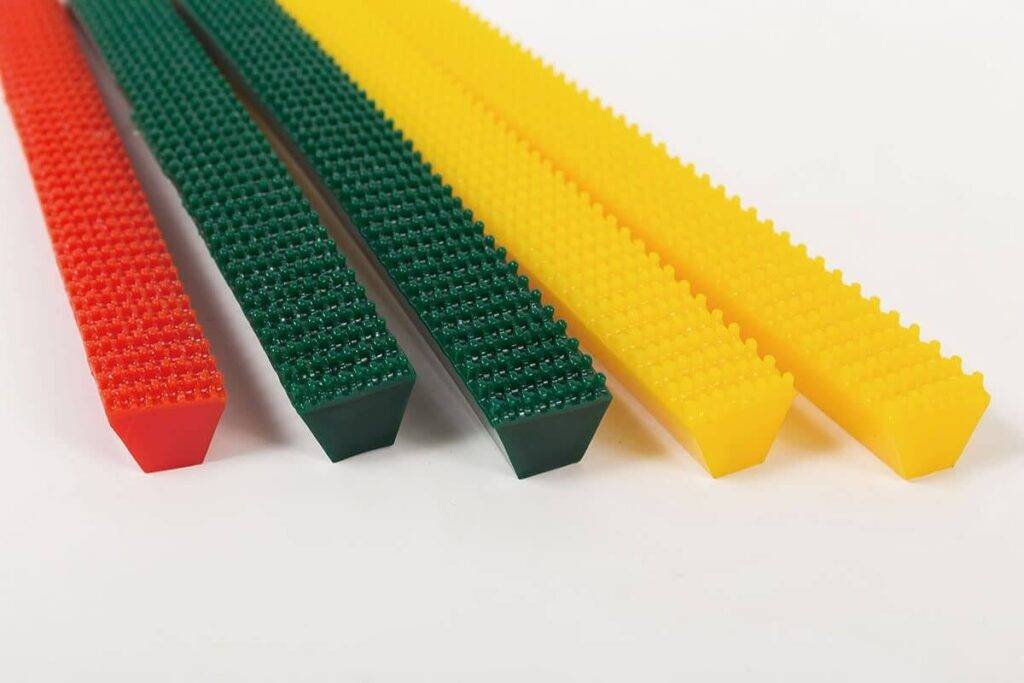
Key Factors to Consider When Choosing TPU
- Hardness and Flexibility
Knowing what is thermoplastic polyurethane allows you to choose the correct hardness level. TPU is available in a wide range of hardness grades, measured on the Shore A or Shore D scale. Softer TPU is ideal for cushioning, vibration damping, and flexible applications, while harder TPU provides structural integrity for heavy-duty or high-wear areas. Selecting the appropriate hardness ensures components perform effectively under operational conditions. - Thickness and Dimensions
The thickness of TPU sheets, tubing, or molded components affects durability and flexibility. Thicker materials offer greater wear resistance, while thinner materials provide adaptability for complex or curved surfaces. Choosing the correct dimensions is essential for both performance and cost-efficiency. - Chemical and Temperature Resistance
Different applications expose TPU to oils, solvents, acids, and temperature extremes. Choosing a TPU material with suitable chemical and temperature resistance ensures components maintain their integrity and avoid premature failure. Knowing what is thermoplastic polyurethane helps in evaluating chemical compatibility for industrial, medical, and automotive uses. - Processing and Fabrication Requirements
TPU can be processed through injection molding, extrusion, or compression molding. Understanding what is thermoplastic polyurethane and its processing capabilities helps manufacturers select the best type for specific fabrication methods. - Durability and Wear Resistance
High-wear applications demand TPU with excellent abrasion resistance. Selecting the right grade extends component life, reduces maintenance, and enhances overall system efficiency.
TPU Material Limitations
While thermoplastic polyurethane (TPU) offers excellent flexibility, durability, and chemical resistance, it’s important to understand its limitations:
- Temperature Range: Standard TPU grades typically perform well between -40°C and 80°C. For applications exceeding these temperatures, specialized high-temperature TPU or alternative materials may be required.
- High-Load Conditions: TPU is highly wear-resistant, but extreme continuous pressure or heavy mechanical loads can lead to gradual deformation over time.
- Chemical Exposure: TPU resists many chemicals, but prolonged exposure to strong acids, alkalis, or certain solvents may degrade material properties.
- UV Sensitivity: Unless specifically formulated, TPU may discolor or lose mechanical strength under prolonged UV exposure.
Why It Matters: Knowing these limitations helps engineers avoid premature failure and select the right TPU grade for specific industrial, automotive, or medical applications.
Applications-Based Selection
Automotive Components: TPU is used for seals, hoses, bushings, and vibration-damping elements. Its flexibility and wear resistance ensure reliable performance under dynamic conditions.
Industrial Machinery: In heavy-duty equipment, TPU provides protective pads, guide rails, and conveyor components. Its durability reduces maintenance and prevents premature wear.
Medical and Food Processing: TPU can be formulated to meet safety and hygiene standards. It is ideal for tubing, protective covers, and other applications requiring chemical resistance and biocompatibility.
Electronics and Electrical Applications: TPU’s chemical resistance, insulation properties, and vibration-damping characteristics make it suitable for cable sheaths, protective coatings, and precision components.
By evaluating the specific demands of each application, you can select a TPU type that ensures performance, reliability, and cost-effectiveness.
Maintenance and Care Tips for TPU Components
Proper maintenance ensures TPU parts retain their performance and longevity:
- Cleaning: Use mild soap and water; avoid strong solvents unless material is chemically resistant.
- Storage: Store TPU sheets, rods, and tubes in a cool, dry place away from direct sunlight to prevent UV degradation.
- Avoid Sharp Impacts: Even though TPU is abrasion-resistant, sharp impacts may cause surface damage or deformation.
- Regular Inspection: For moving parts, inspect periodically for wear or compression set and replace when necessary.
- Lubrication: In high-friction applications, use compatible lubricants to reduce wear without affecting chemical properties.
Benefit: Following these guidelines reduces downtime, prevents damage, and maximizes cost-efficiency.
Comparison of TPU Types
Different TPU types are optimized for specific properties:
| TPU Type | Hardness | Flexibility | Chemical Resistance | Ideal Applications |
|---|---|---|---|---|
| Soft TPU | Low | High | Moderate | Cushioning, vibration damping |
| Hard TPU | High | Moderate | High | Heavy-duty machinery, wear parts |
| Transparent TPU | Moderate | High | Moderate | Inspection windows, protective covers |
| Chemical-Resistant TPU | Moderate-High | Moderate | High | Industrial chemicals, medical |
Using this comparison helps guide the selection of the most appropriate TPU for your project.
Common Mistakes to Avoid When Choosing TPU
Even with the right knowledge, users often make avoidable mistakes:
- Selecting Incorrect Hardness: Using a TPU that is too soft or too hard for the intended application can lead to early wear or failure.
- Ignoring Environmental Conditions: Overlooking temperature, UV exposure, or chemical contact can reduce lifespan.
- Improper Dimensions: Not accounting for shrinkage or thickness requirements may result in ill-fitting parts.
- Overlooking Fabrication Limitations: Some TPU types require specific molding, extrusion, or machining techniques.
- Neglecting Supplier Expertise: Choosing a supplier without experience or quality assurance can lead to inconsistent material performance.
Tip: Review application requirements carefully and consult with experienced suppliers to avoid these pitfalls.
Tips for Selecting the Right TPU Supplier
Choosing a reliable supplier ensures the quality and performance of thermoplastic polyurethane. Look for suppliers with:
- Proven industry experience and technical expertise.
- Customization capabilities for specific shapes, hardness, and dimensions.
- Quality certifications and consistent production standards.
- Global service and technical support for industrial applications.
Working with a trusted supplier like PENGDE ensures that you receive high-quality, durable, and customizable TPU products for your projects.
Conclusion
Understanding what is thermoplastic polyurethane and how to select the right type is critical for industrial, automotive, and engineering applications. By considering hardness, thickness, chemical resistance, fabrication requirements, and durability, you can ensure that TPU components perform reliably, reduce maintenance costs, and enhance project efficiency.
For premium, customizable, and high-performance thermoplastic polyurethane products, trust PENGDE. With over 15 years of experience in PU plastic production and a strong global reputation, PENGDE provides expert solutions to meet your project’s specific needs. Upgrade your components today with high-quality TPU and achieve long-lasting, reliable performance.
Email: pengde2@pengde-pu.com

