


When selecting a polyurethane (PU) sheet, one of the most important factors to consider is hardness. The hardness of a polyurethane sheet directly affects its flexibility, wear resistance, load-bearing capacity, and shock absorption performance.
Whether you’re purchasing polyurethane sheets for wear liners, die pads, cushioning pads, or heavy-duty machinery, understanding Shore A hardness will help you choose the right material for your application.
In this guide, we’ll explain what Shore A hardness means and how to select the ideal polyurethane sheet for your industrial needs.
What Is Shore A Hardness?
Shore A hardness is the most common scale used to measure the hardness of flexible elastomer materials such as polyurethane and rubber.
The Shore A scale ranges from very soft to very hard:
- Lower numbers indicate softer, more flexible materials.
- Higher numbers indicate harder, more rigid materials.
For industrial polyurethane sheets, the typical hardness range is 45A to 98A, allowing manufacturers to meet a wide variety of application requirements.
Why Does Hardness Matter?
Choosing the correct hardness is essential because it determines how the polyurethane sheet performs under different working conditions.
The right hardness helps optimize:
- Wear resistance
- Elasticity
- Impact absorption
- Load-bearing capacity
- Compression resistance
- Service life
Selecting a hardness that is too soft or too hard may reduce performance and shorten the lifespan of the product.
Understanding Different Shore A Hardness Levels
45A–60A: Soft Polyurethane Sheets
Soft polyurethane sheets provide excellent flexibility and cushioning performance.
Characteristics
- High elasticity
- Excellent shock absorption
- Good flexibility
- Suitable for repeated compression
Typical Applications
- Vibration isolation pads
- Cushioning pads
- Protective machine pads
- Buffer components
- Noise reduction applications
These materials are ideal when absorbing impact is more important than supporting heavy loads.
60A–80A: Medium Hardness Polyurethane Sheets
This range offers the best balance between flexibility and strength and is widely used in general industrial equipment.
Characteristics
- Balanced elasticity
- Good wear resistance
- Stable compression performance
- Suitable for a wide variety of applications
Typical Applications
- General machinery
- Industrial equipment
- Machine buffers
- Automotive manufacturing
- Mechanical protection components
For many industrial users, this is the most versatile hardness range.
80A–98A: Hard Polyurethane Sheets
Hard polyurethane sheets are designed for applications involving high loads, severe abrasion, and continuous impact.
Characteristics
- Excellent wear resistance
- High load-bearing capacity
- Superior dimensional stability
- Long service life
Typical Applications
- Wear plates
- Wear liners
- Punch press die pads
- Mining equipment
- Heavy machinery
- Material handling systems
This hardness range is commonly selected when durability is the top priority.
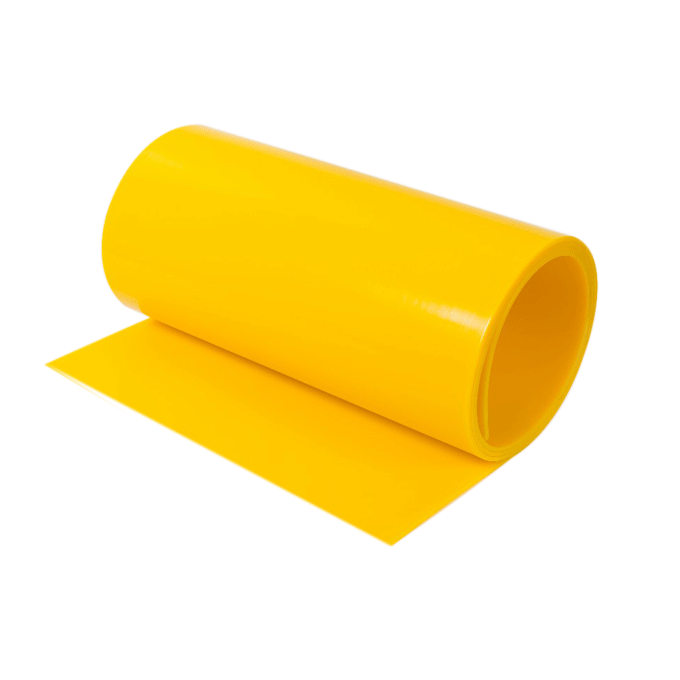
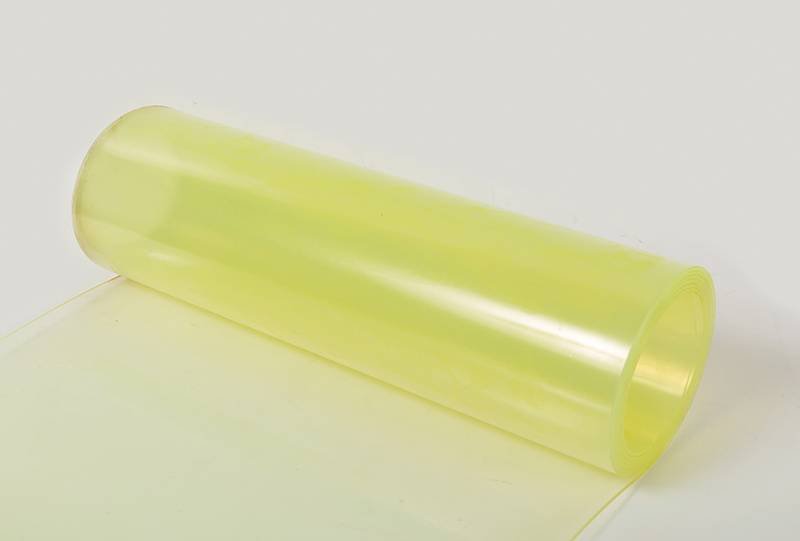
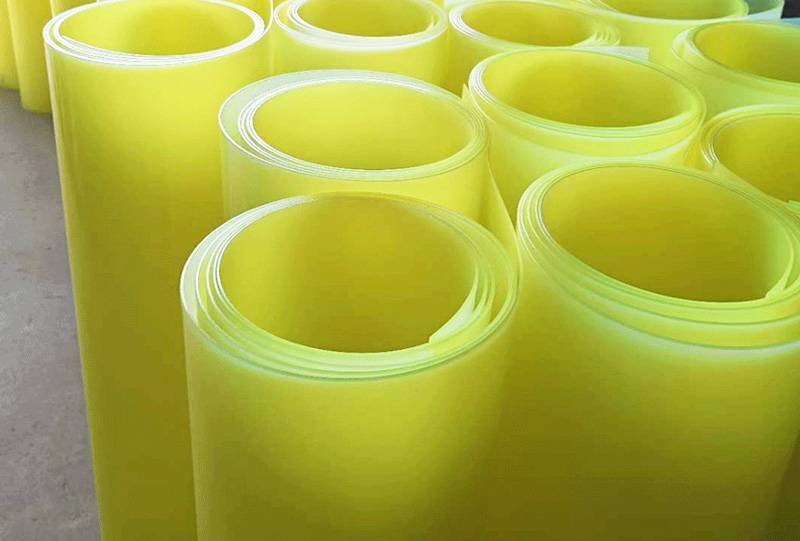
Shore A Hardness Selection Guide
The following table provides a quick reference for selecting polyurethane sheet hardness.
| Shore A Hardness | Material Characteristics | Recommended Applications |
|---|---|---|
| 45A–60A | Soft, flexible, excellent cushioning | Vibration isolation, shock absorption, protective pads |
| 60A–80A | Balanced flexibility and strength | General machinery, automotive manufacturing, buffer components |
| 80A–98A | Hard, highly wear-resistant, heavy-duty | Wear liners, die pads, mining equipment, industrial machinery |
Factors to Consider When Choosing Shore A Hardness
Choosing the right hardness involves evaluating your working conditions rather than selecting the hardest material available.
Working Load
Applications under heavy pressure generally require harder polyurethane sheets to prevent excessive deformation.
Impact and Vibration
If your equipment experiences frequent impacts or continuous vibration, softer polyurethane provides better cushioning and energy absorption.
Abrasion
For environments involving continuous friction or material flow, higher hardness offers improved wear resistance.
Typical examples include:
- Conveyor systems
- Chutes
- Hoppers
- Mining equipment
- Material handling systems
Compression Frequency
Applications involving repeated compression benefit from polyurethane formulations with excellent resilience and recovery performance.
Equipment Protection
If the primary goal is to protect tooling or reduce impact on machinery, selecting a softer or medium-hardness polyurethane sheet often provides better performance.
Does Higher Hardness Always Mean Better Performance?
Not necessarily.
While harder polyurethane generally provides greater wear resistance and load capacity, it also becomes less flexible and absorbs less impact.
For example:
- A 50A polyurethane sheet may perform better as a vibration isolation pad.
- A 95A polyurethane sheet is better suited for wear liners or punch press die pads.
The best choice depends on the specific application rather than hardness alone.
Why Choose PENGDE Polyurethane Sheets?
PENGDE manufactures high-quality polyurethane sheets with Shore A hardness ranging from 45A to 98A, providing solutions for industries including:
- Metalworking
- Mining
- Automotive manufacturing
- Heavy machinery
- Construction equipment
- Material handling
In addition to multiple hardness options, PENGDE offers:
- Thicknesses from 0.5 mm to 100 mm
- Standard and custom dimensions
- Multiple color options
- Stable product quality
- Customized manufacturing services
Conclusion
Understanding Shore A hardness is the first step toward selecting the right polyurethane sheet. The ideal hardness depends on factors such as load, abrasion, impact, operating conditions, and equipment requirements.
Whether you need a soft cushioning pad, a medium-hardness buffer component, or a highly wear-resistant industrial liner, choosing the appropriate Shore A rating will maximize performance and extend service life.
PENGDE offers a complete range of polyurethane sheets with customizable hardness, thickness, and dimensions to meet the needs of diverse industrial applications. If you’re unsure which Shore A hardness is right for your project, our technical team is ready to help.
For product recommendations or a customized quotation, please contact PENGDE at pengde2@pengde-pu.com.

