


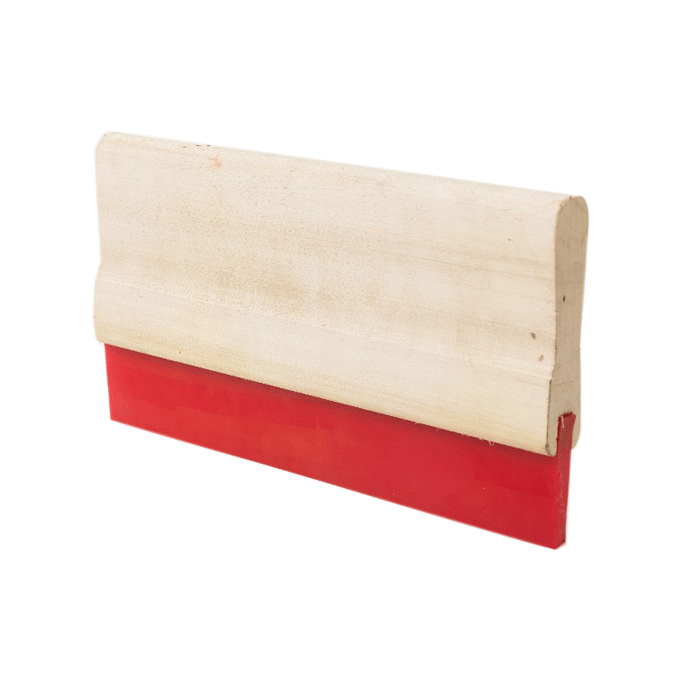
A screen printing squeegee is one of the most important tools in the printing process. Even with a high-quality screen, premium ink, and a well-calibrated press, using the wrong squeegee can lead to uneven ink deposits, blurred details, excessive wear, and inconsistent print quality.
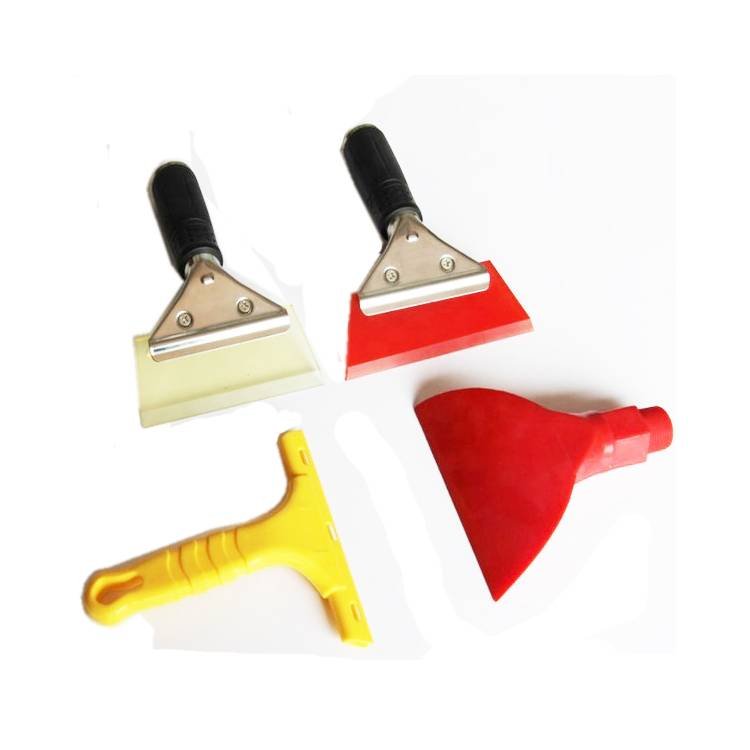
Also known as a silk screen squeegee, this tool is responsible for transferring ink evenly through the mesh onto the substrate. Choosing the right polyurethane (PU) squeegee can improve print accuracy, increase production efficiency, and reduce operating costs.
In this guide, we’ll explain the key factors to consider when selecting the best squeegee for screen printing and how different applications require different squeegee specifications.
Why the Right Screen Printing Squeegee Matters
A screen printing squeegee controls how much ink passes through the screen, the pressure applied during printing, and the sharpness of the printed image.
Choosing the correct squeegee helps:
- Produce clean, sharp prints
- Achieve consistent ink transfer
- Reduce ink waste
- Extend screen mesh life
- Improve production efficiency
- Increase the service life of the squeegee itself
Whether you print textiles, ceramics, glass, electronics, or packaging materials, selecting the right squeegee is essential for consistent production quality.
1. Choose the Right Squeegee Hardness
The hardness of a polyurethane squeegee is measured in Shore A. Different hardness levels affect flexibility, ink deposit, and print precision.
| Hardness | Typical Applications | Characteristics |
|---|---|---|
| 60 Shore A | Textiles, rough surfaces | Soft, higher ink deposit |
| 70 Shore A | General-purpose printing | Balanced flexibility and durability |
| 80 Shore A | Fine graphics, plastics, glass | Better detail and edge definition |
| 90 Shore A | Electronics, PCB, precision printing | Minimal ink deposit, maximum accuracy |
2. Select the Proper Squeegee Profile
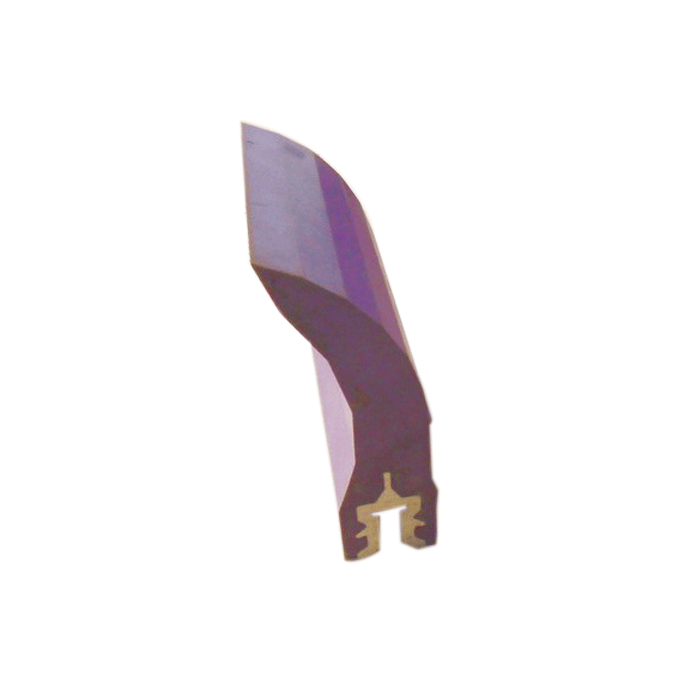
The edge profile of a screen printing squeegee directly affects ink transfer, print resolution, and surface coverage. Choosing the right profile helps achieve better printing performance for different applications.
| Squeegee Profile | Characteristics | Advantages | Recommended Applications |
|---|---|---|---|
| Square Edge | The most common and versatile profile with a straight printing edge | Provides balanced ink transfer and consistent printing results | Textile printing, paper printing, plastic products, general graphics |
| Rounded Edge | A curved printing edge that allows more ink to pass through the screen | Delivers higher ink deposit and better coverage on uneven surfaces | Textile printing, thick ink applications, specialty coatings, rough substrates |
| Beveled Edge | An angled edge designed for precise ink control | Produces sharper details and cleaner image edges | Fine graphics, electronic printing, PCB printing, high-precision applications |
| Single Bevel Edge | One-sided angled edge for directional printing control | Provides controlled ink flow and improved print definition | Industrial printing, specialty applications |
| Double Bevel Edge | Two angled sides allow printing in multiple directions | Offers flexibility for automated printing processes | High-speed screen printing lines, precision industrial printing |
3. Consider the Printing Material
Different substrates require different PU squeegee hardness, flexibility, and edge profiles. Selecting the right squeegee according to the printing material helps improve ink transfer, print quality, and production efficiency.
| Printing Material | Recommended Hardness | Recommended Profile | Key Requirements | Common Applications |
|---|---|---|---|---|
| Textile & Fabric | 60–70 Shore A | Square / Rounded Edge | Higher ink deposit, good flexibility, adapts to fabric texture | T-shirts, garments, textile products |
| Glass | 75–85 Shore A | Square / Beveled Edge | Precise ink control, smooth printing, excellent edge definition | Glass panels, decorative glass, automotive glass |
| Ceramic | 75–85 Shore A | Square / Beveled Edge | Stable ink transfer, wear resistance for long production runs | Ceramic tiles, ceramic decoration |
| Plastic Products | 70–80 Shore A | Square Edge | Balanced flexibility and durability | Plastic containers, panels, consumer products |
| PCB & Electronics | 80–90 Shore A | Beveled Edge | High precision, minimal ink variation, excellent dimensional accuracy | PCB boards, membrane switches, electronic components |
| Solar Panels | 80–90 Shore A | Beveled Edge | Consistent pressure control and fine-line printing capability | Solar cell manufacturing |
| Packaging Materials | 70–80 Shore A | Square / Beveled Edge | Stable printing performance and good wear resistance | Flexible packaging, labels, cartons |
| Automotive Film & Vinyl | 70–80 Shore A | Rounded / Square Edge | Smooth ink transfer and reduced surface damage | Window film, vinyl graphics, protective films |
4. Match the Ink Type
The ink being used also affects squeegee selection.
Water-Based Inks
Usually pair well with medium-hard polyurethane blades that provide stable ink transfer.
UV Inks
Often require harder squeegees to maintain clean edges and prevent excessive ink buildup.
Solvent-Based Inks
Durable polyurethane materials provide excellent chemical resistance and long service life.
5. Choose High-Quality Polyurethane Material
Not all polyurethane squeegees are manufactured to the same standard.
A premium screen printing squeegee should offer:
- Excellent abrasion resistance
- Stable hardness over time
- High solvent resistance
- Smooth cutting edges
- Consistent elasticity
- Minimal deformation during long production runs
These characteristics help maintain print consistency while reducing replacement frequency.
6. Consider Production Volume
Your production environment should influence the type of squeegee you choose.
Low-Volume Printing
General-purpose polyurethane squeegees provide excellent performance at an economical cost.
High-Volume Industrial Production
Industrial printing lines benefit from premium polyurethane squeegees with:
- Longer wear life
- Better dimensional stability
- Consistent hardness
- Reduced downtime
Although the initial investment may be higher, premium squeegees often lower the total operating cost over time.
Conclusion
Choosing the right screen printing squeegee, sometimes referred to as a silk screen squeegee, involves more than simply selecting a hardness level. The ideal squeegee should match your printing process, substrate, ink system, and production requirements.
A high-quality polyurethane squeegee delivers cleaner prints, more consistent ink transfer, improved durability, and lower production costs. Whether you’re printing textiles, glass, ceramics, packaging, or electronic components, investing in the right squeegee is an effective way to improve both print quality and operational efficiency.
If you’re looking for the best polyurethane solution for your printing process, PENGDE can provide customized hardness, dimensions, and specifications to meet your exact application requirements. Please contact us at
pengde2@pengde-pu.com.

