


In modern manufacturing and automated production systems, roller components play a crucial role in maintaining smooth and efficient operations. Among them, the idler roller is one of the most common and essential components used in conveyor systems and industrial machinery. Although it does not provide driving power, it plays a key role in supporting conveyor belts, reducing friction, and ensuring stable material movement.
Simply put, an idler roller is a non-powered roller designed to support conveyor belts or guide materials along a production line. It is widely used in conveyor systems, ceramic machinery, packaging equipment, mining operations, and automated manufacturing systems.
This article provides a comprehensive overview of idler rollers, including their definition, structure, working principle, types, and industrial applications, helping engineers and procurement professionals better understand this important industrial component.
What Is an Idler Roller?
Definition of an Idler Roller
An idler roller is a supporting roller used in machinery and conveyor systems. Unlike powered rollers, it does not generate motion itself. Instead, it supports the conveyor belt or materials while guiding the direction of movement.
In conveyor systems, the primary functions of an idler roller include:
- Supporting the conveyor belt structure
- Maintaining belt alignment and stability
- Reducing mechanical friction
- Minimizing wear on conveyor components
Unlike a drive roller, which is connected to a motor and transmits power, an idler roller rotates freely through its bearings. This rolling motion reduces friction and allows the conveyor system to operate more smoothly.
Basic Structure of an Idler Roller
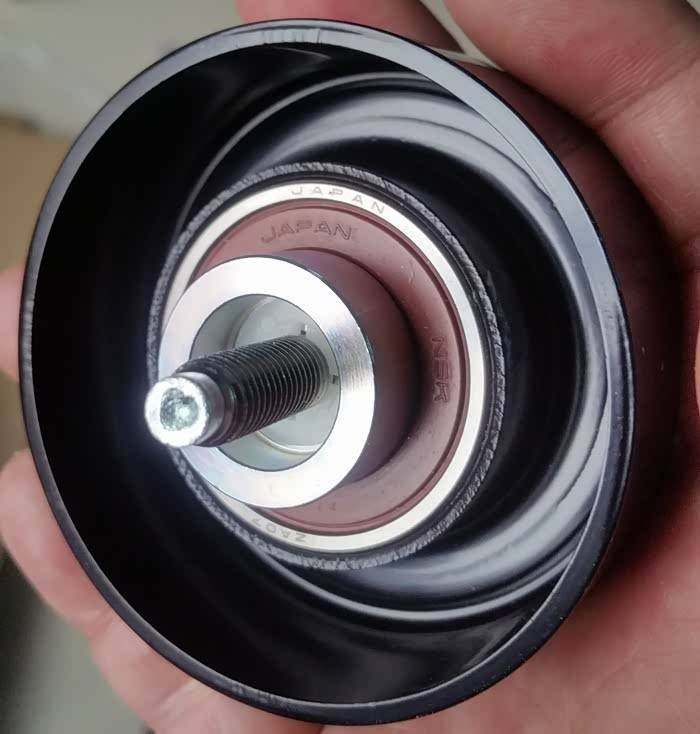
A typical idler roller consists of several key components:
| Component | Function |
|---|---|
| Roller Body | The main cylinder that supports the belt or materials |
| Shaft | Connects the roller to the machine frame |
| Bearings | Enable smooth and efficient rotation |
| Surface Layer | Provides wear resistance or traction |
In many industrial applications, the roller surface may include a protective material layer such as polyurethane coating, which improves durability and extends the service life of the roller.
How Idler Rollers Work in Industrial Equipment
In industrial systems, the working principle of an idler roller is simple yet essential.
As a conveyor belt moves, it rolls over multiple idler rollers positioned along the conveyor frame. These rollers rotate freely using bearing systems, which significantly reduces friction between the moving belt and the equipment structure.
This design provides several key benefits:
- Reduced operational resistance
- Lower wear on conveyor belts
- Improved stability of material transport
In large conveyor systems, multiple conveyor idler rollers are installed to create continuous support. This ensures that the belt can carry materials efficiently over long distances without excessive stress or deformation.
Types of Idler Rollers
Depending on their design and application, idler rollers can be categorized into several different types. Each type is designed to meet the specific requirements of different industrial environments.
Flat Idler Rollers
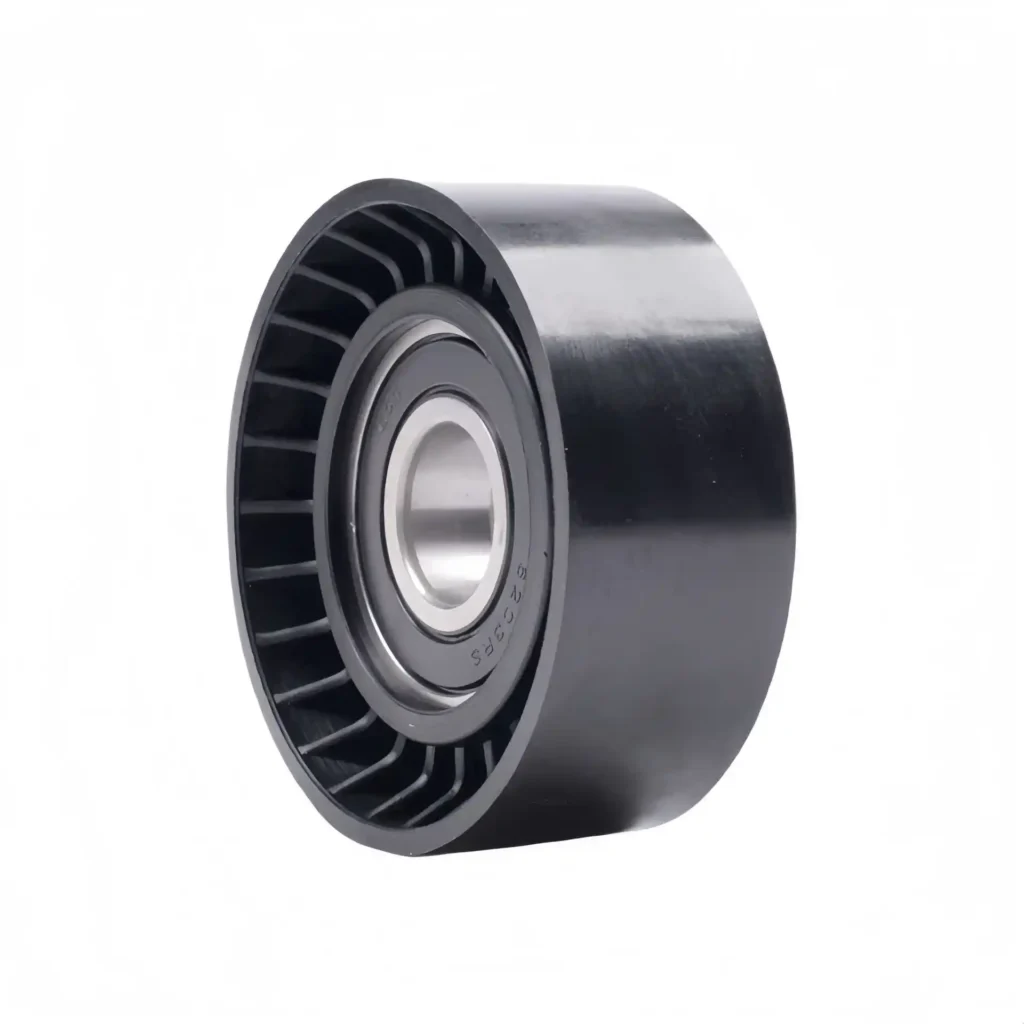
The flat idler roller is the most commonly used type. It has a simple structure and is mainly used to support conveyor belts in standard conveyor systems.
Typical applications include:
- logistics conveyor systems
- industrial production lines
- automated equipment
Impact Idler Rollers
An impact idler roller is typically installed at loading points where materials drop onto the conveyor belt. Its main function is to absorb impact forces and protect the belt from damage.
These rollers are often designed with cushioning materials to reduce shock and extend belt lifespan.
Trough Idler Rollers
A trough idler roller is commonly used in bulk material handling systems such as mining or port operations. This design uses multiple rollers arranged in a trough shape to keep materials centered on the conveyor belt.
Polyurethane Idler Rollers
In many modern industrial environments, polyurethane idler rollers are becoming increasingly popular. Compared with traditional steel rollers, PU-coated rollers offer improved wear resistance and longer service life.
Key advantages include:
- excellent abrasion resistance
- lower operating noise
- improved traction performance
Because of these benefits, polyurethane rollers are widely used in automation systems and ceramic machinery.
Key Functions of an Idler Roller
Although an idler roller does not generate motion, it plays several critical roles in industrial equipment.
Supporting Conveyor Belts
One of the primary functions of conveyor idler rollers is to support the conveyor belt structure. Multiple rollers distribute the load evenly and help maintain proper belt alignment.
Reducing Friction and Wear
Because the roller rotates freely, the idler roller significantly reduces friction between the conveyor belt and the equipment frame. This helps extend the lifespan of both the belt and the machinery.
Maintaining Stable Material Flow
A stable roller structure ensures that materials move smoothly along the conveyor system without slipping, misalignment, or blockage.
Common Industrial Applications of Idler Rollers
Due to their simple structure and reliable performance, industrial idler rollers are widely used across many industries.
Conveyor Systems
Conveyor systems represent the most common application for idler rollers. Both logistics and manufacturing industries rely heavily on conveyor equipment for efficient material handling.
Typical applications include:
- automated logistics systems
- factory conveyor lines
- production material transport
Ceramic Manufacturing Equipment
In the ceramic manufacturing industry, equipment often operates continuously under heavy workloads. Therefore, wear-resistant roller components are essential.
PENGDE provides various polyurethane solutions for ceramic machinery, including:
- polyurethane rollers
- PU squeegees
- TPU belts
- ceramic machinery spare parts
In these systems, idler rollers are frequently used for material support and transport.
Packaging and Printing Machinery
In packaging and printing equipment, idler rollers help guide materials and maintain smooth production processes.
Automation and Mechanical Equipment
In automated production systems, idler rollers are essential components for supporting conveyor structures and improving operational efficiency.
Idler Roller Materials and Surface Options
Different industrial environments require rollers made from different materials. As a result, idler rollers can be manufactured using several material options.
Steel Idler Rollers
Steel rollers offer high structural strength and are suitable for heavy-duty environments. However, they can produce higher noise levels and may wear faster in certain applications.
Rubber-Coated Idler Rollers
Rubber-coated rollers provide some cushioning capability. However, their wear resistance is generally lower than that of polyurethane materials.
Polyurethane Idler Rollers
Compared with other materials, polyurethane idler rollers combine wear resistance, elasticity, and oil resistance. As a result, they are becoming an increasingly preferred option in modern industrial equipment.
Key benefits include:
- superior abrasion resistance
- longer service life
- lower maintenance costs
How to Choose the Right Idler Roller
Selecting the right idler roller requires evaluating several technical factors to ensure reliable equipment performance.
Roller Diameter and Size
The roller dimensions must match the equipment structure to ensure proper installation and stable operation.
Load Capacity
Different systems require rollers that can support different load capacities. Material weight and operational loads should always be considered.
Roller Material
Depending on the operating environment, manufacturers may choose steel rollers, rubber-coated rollers, or polyurethane rollers.
Operating Environment
Environmental conditions can also influence roller selection, including:
- temperature levels
- dust exposure
- mechanical stress
Custom Idler Rollers for Industrial Equipment
In many industrial applications, standard rollers may not fully meet equipment requirements. In these cases, customized roller solutions are often necessary.
Custom idler rollers can be designed according to specific equipment needs, including:
- special dimensions
- customized materials
- specific hardness levels
- surface treatments
As an experienced PU materials manufacturer, PENGDE continues to invest in advanced production technology to provide high-quality industrial solutions for global customers, including:
- PU rods
- PU sheets
- rollers and wheels
- TPU belts
- non-standard PU parts
Through professional engineering expertise and strict quality control, PENGDE is committed to delivering reliable polyurethane products for modern industrial applications.
Conclusion
As a key component in conveyor systems and industrial machinery, the idler roller plays an essential role in supporting conveyor belts, reducing friction, and maintaining stable production operations. From logistics conveyor systems to ceramic manufacturing equipment and automated production lines, idler rollers are indispensable components in modern industry.
As industrial equipment continues to evolve, high-performance materials such as polyurethane rollers are increasingly replacing traditional materials. Choosing a high-quality idler roller can improve equipment efficiency, extend service life, and reduce maintenance costs.
For companies seeking reliable roller solutions, partnering with an experienced manufacturer can ensure consistent product quality and long-term performance. Contact us pengde2@pengde-pu.com.
FAQ About Idler Rollers
What is an idler roller used for?
An idler roller is mainly used in conveyor systems and industrial machinery to support conveyor belts and reduce friction, ensuring smooth equipment operation.
What is the difference between an idler roller and a drive roller?
An idler roller does not provide power and only supports the conveyor system, while a drive roller is powered by a motor and transmits motion to move the conveyor belt.
What materials are used for idler rollers?
Common materials include steel, rubber-coated surfaces, and polyurethane coating, which is increasingly popular due to its excellent wear resistance.
How long does an idler roller last?
Under normal operating conditions, a high-quality idler roller can last for several years. Its lifespan depends on factors such as material type, equipment load, and operating environment.

