


Selecting the right polyurethane sheet is essential for maximizing equipment performance, reducing maintenance costs, and extending service life. With various hardness levels, thicknesses, and dimensions available, choosing the right specification depends on your application’s operating conditions rather than simply selecting the thickest or hardest material. This polyurethane sheet selection guide explains the key factors buyers and engineers should consider before purchasing polyurethane sheets for industrial applications. Why Choosing the Right Polyurethane Sheet Matters Polyurethane sheets are widely used in industries such as mining, metalworking, automotive manufacturing, material handling, and heavy machinery. The right material selection can help: On the other hand, choosing the wrong hardness or thickness may lead to premature wear, reduced performance, or unnecessary costs. 1. Select the Appropriate Hardness Hardness is one of the most important factors when selecting a polyurethane sheet. It determines the balance between flexibility, load-bearing capacity, and wear resistance. PENGDE polyurethane sheets are available in 45A to 98A Shore A, covering a wide range of industrial applications. Hardness Characteristics Typical Applications 45A–60A Soft, highly elastic, excellent cushioning Shock absorption pads, vibration isolation, protective cushions 60A–80A Balanced flexibility and strength General industrial machinery, buffer components, machine pads 80A–98A High rigidity, superior wear resistance Wear ...
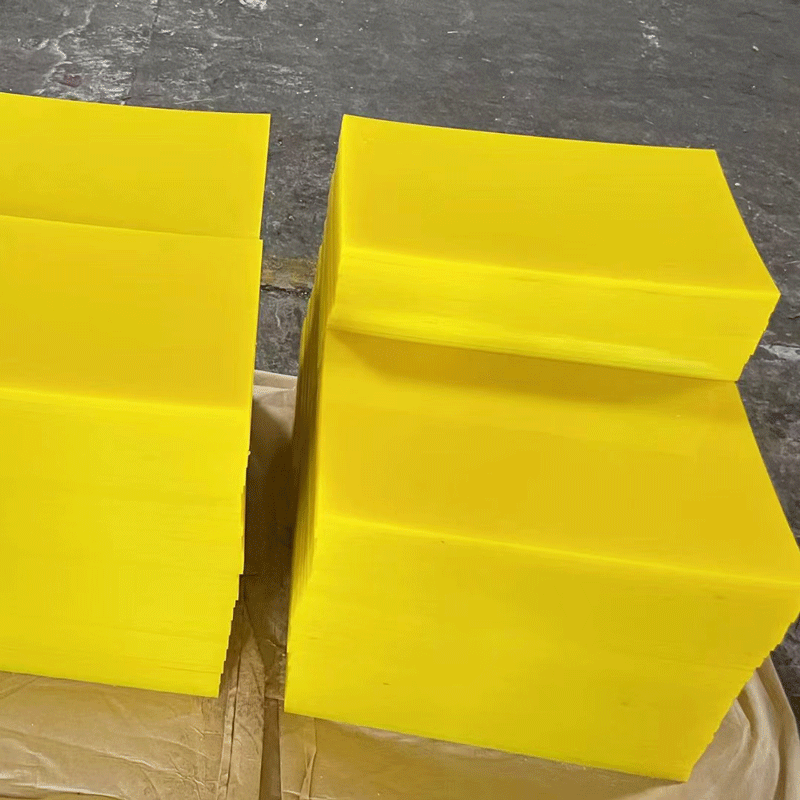
Polyurethane (PU) sheets are widely recognized for their outstanding combination of strength, flexibility, and durability. Compared with traditional rubber, plastics, and even some metals, polyurethane sheets offer superior mechanical performance in demanding industrial environments. Thanks to their excellent wear resistance, elasticity, and impact absorption, PU sheets are commonly used in mining, automotive manufacturing, metalworking, construction, and heavy machinery. In this article, we’ll explore the key polyurethane sheet properties that make this material an ideal choice for industrial applications. What Is a Polyurethane Sheet? A polyurethane sheet is a solid elastomer manufactured from polyurethane polymers. Depending on the formulation, PU sheets can be produced in various hardness levels, thicknesses, and colors to meet different application requirements. Typical specifications include: These customizable characteristics allow polyurethane sheets to be used across a wide range of industries. Key Polyurethane Sheet Properties 1. Exceptional Wear Resistance One of the most important properties of polyurethane sheets is their outstanding abrasion resistance. In industrial environments where materials are exposed to continuous friction, scraping, or sliding contact, polyurethane lasts significantly longer than many conventional materials. Typical applications include: Its excellent wear resistance helps reduce maintenance frequency and replacement costs. 2. Excellent Elasticity Polyurethane combines high strength with excellent ...

Polyurethane (PU) sheets have become an essential material in modern manufacturing thanks to their exceptional durability, elasticity, and wear resistance. Compared with traditional rubber, metal, or plastic components, polyurethane sheets offer a balanced combination of strength and flexibility, making them suitable for a wide range of demanding industrial environments. From heavy machinery to automotive production, polyurethane sheet applications continue to expand as industries seek materials that can withstand impact, abrasion, and repeated mechanical stress. What Is a Polyurethane Sheet? A polyurethane sheet is a solid elastomer made from polyurethane polymers. It is available in various hardness levels, thicknesses, and sizes, allowing manufacturers to select the most suitable material for specific working conditions. Key characteristics of polyurethane sheets include: These properties make PU sheets an ideal solution for applications where durability and reliable performance are critical. Common Polyurethane Sheet Applications Polyurethane sheets are widely used across many industries. Below are some of the most common applications. 1. Punch Press Die Pads One of the most popular polyurethane sheet applications is as die pads for punch presses and stamping operations. PU die pads provide excellent cushioning and distribute impact forces evenly during punching, bending, and forming processes. Compared with traditional metal springs, ...

In screen printing, the squeegee plays a critical role in controlling ink transfer, print consistency, and image quality. Even with the right screen mesh and high-quality ink, using the wrong screen printing squeegee can lead to various production problems, including uneven prints, blurred details, excessive ink usage, and premature wear. A properly selected polyurethane (PU) squeegee should match your substrate, ink type, printing speed, and production requirements. This article explains common screen printing problems caused by the wrong squeegee and provides practical solutions to improve printing performance. 1. Uneven Ink Coverage Problem: One of the most common issues in screen printing is inconsistent ink coverage. Some areas may appear too light, while others receive excessive ink. Possible Squeegee Causes: Solution: Choose a suitable screen printing squeegee hardness according to the application. Regularly checking the blade edge condition can also help maintain consistent ink transfer. 2. Blurred or Unclear Printing Details Problem: Fine lines, small text, or detailed patterns appear blurred or lose definition. Possible Squeegee Causes: Solution: Use a harder polyurethane squeegee with a sharper edge profile. For applications requiring high precision, such as: an 80–90 Shore A squeegee is usually more suitable. 3. Excessive Ink Deposit Problem: Too much ...

Choosing the correct screen printing squeegee hardness is one of the most important decisions in any screen printing process. While factors such as mesh count, ink type, and printing speed all influence the final result, the hardness of the squeegee directly affects ink transfer, print sharpness, and production efficiency. Whether you’re printing textiles, ceramics, glass, electronics, or plastic products, selecting the right polyurethane (PU) squeegee hardness can help you achieve cleaner prints, reduce waste, and extend the life of both the squeegee and the screen. This guide explains the differences between 60, 70, 80, and 90 Shore A screen printing squeegees, helping you choose the best option for your application. What Does Shore Hardness Mean? The hardness of a screen printing squeegee is measured using the Shore A scale, which indicates how soft or hard the polyurethane blade is. A softer silk screen squeegee bends more easily under pressure, allowing more ink to pass through the mesh. A harder squeegee flexes less, resulting in thinner ink deposits and sharper image definition. Screen Printing Squeegee Hardness Comparison Hardness Flexibility Ink Deposit Print Detail Typical Applications 60 Shore A High High Moderate Textile printing, rough surfaces 70 Shore A Medium Medium Good ...

A screen printing squeegee is one of the most important tools in the printing process. Even with a high-quality screen, premium ink, and a well-calibrated press, using the wrong squeegee can lead to uneven ink deposits, blurred details, excessive wear, and inconsistent print quality. Also known as a silk screen squeegee, this tool is responsible for transferring ink evenly through the mesh onto the substrate. Choosing the right polyurethane (PU) squeegee can improve print accuracy, increase production efficiency, and reduce operating costs. In this guide, we’ll explain the key factors to consider when selecting the best squeegee for screen printing and how different applications require different squeegee specifications. Why the Right Screen Printing Squeegee Matters A screen printing squeegee controls how much ink passes through the screen, the pressure applied during printing, and the sharpness of the printed image. Choosing the correct squeegee helps: Whether you print textiles, ceramics, glass, electronics, or packaging materials, selecting the right squeegee is essential for consistent production quality. 1. Choose the Right Squeegee Hardness The hardness of a polyurethane squeegee is measured in Shore A. Different hardness levels affect flexibility, ink deposit, and print precision. Hardness Typical Applications Characteristics 60 Shore A Textiles, rough ...

In modern business environments, efficient cash handling is essential for maintaining accuracy, security, and operational efficiency. Industries such as retail, banking, hospitality, and entertainment handle large volumes of cash every day, making manual counting increasingly inefficient and error-prone. To solve this problem, businesses rely on automated solutions such as the money counter machine, which improves counting speed and accuracy while reducing human labor costs. Beyond the machine itself, the performance and durability of such equipment also depend on high-quality internal mechanical components used in automation systems, such as rollers, belts, and wear-resistant materials widely used in industrial manufacturing. What is a Money Counter Machine? A money counter machine is an electronic device designed to automatically count banknotes with high speed and precision. Many advanced models also include counterfeit detection functions, helping businesses ensure financial accuracy and security. The machine works by feeding banknotes through internal mechanical channels while sensors detect and count each note in real time. In general, a money counter machine helps businesses: It is widely used in cash-intensive industries where accuracy and speed are critical. Why Money Counter Machines Are Important Money counter machines play a crucial role in modern financial operations for several reasons: 1. Higher ...

In modern industrial automation, tpu conveyor belt is widely used for its wear resistance, flexibility, high hygiene standards, and extensive customization options. It finds applications in food processing, logistics sorting, electronics manufacturing, packaging, and pharmaceutical industries. However, many companies only focus on thickness or color when selecting conveyor belts, overlooking how different operating conditions can significantly impact performance. This guide is designed to help overseas engineers, equipment manufacturers, and industrial buyers choose the most suitable tpu conveyor belt solutions. Based on real manufacturing experience, we provide actionable guidance for customizing belts according to industry-specific requirements. 1. Why TPU Conveyor Belts Require Customization Every factory has unique production environments, conveyed materials, equipment structures, and temperature or humidity conditions. Standard belts often cannot ensure long-term stable operation. Customized tpu conveyor belts have become the mainstream choice in European and American markets for several key reasons: 2. Key Customizable Parameters of TPU Conveyor Belts Based on long-term overseas industrial procurement experience, customization typically focuses on the following parameters: Parameter Options / Range Industrial Considerations Thickness 0.8–3.0 mm 0.8–1.2 mm: electronics, pharmaceuticals, light loads; 1.5–2.0 mm: food, packaging, logistics; 2.0–3.0 mm: heavy-duty or high-wear lines Hardness (Shore A) 70–98A 70–80A: soft, low-noise, light loads; ...
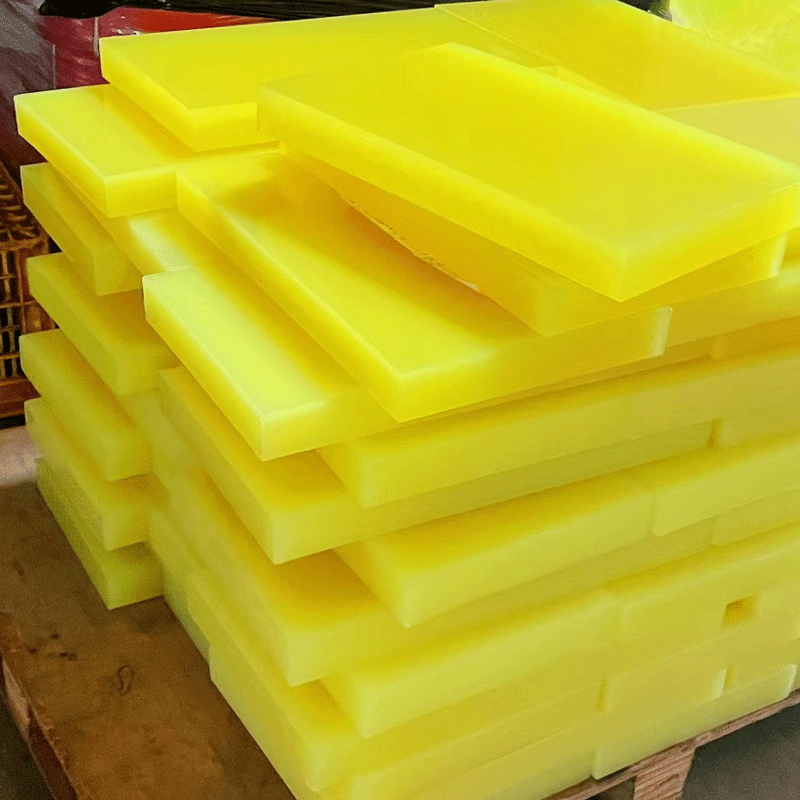
In modern industrial manufacturing, the materials used for machine parts directly influence efficiency, durability, and maintenance costs. Among these materials, thermoplastic polyurethane sheets stand out for their unique combination of wear resistance, flexibility, and chemical stability. Today, TPU sheets are commonly used in components such as gears, bearings, bushings, seals, gaskets, and protective liners. This article provides a comprehensive overview of TPU sheets in machine parts, highlighting their benefits, applications, selection criteria, cost-effectiveness, and environmental advantages. By understanding these factors, manufacturers and engineers can make informed decisions to optimize machine performance and longevity. What Are Thermoplastic Polyurethane (TPU) Sheets? Thermoplastic polyurethane sheets are made from TPU, a high-performance elastomeric material that combines the best properties of plastics and rubber. TPU offers: TPU sheets provide precise and reliable solutions for industrial machinery, ensuring long-term performance even in challenging environments. Key Properties of TPU Sheets Benefits of TPU Sheets in Machine Parts 1. Superior Durability and Extended Lifespan Machine parts often operate under harsh conditions with continuous friction, heavy loads, and abrasive environments. TPU sheets excel in such scenarios by: Example: In conveyor systems, TPU bushings maintain low friction and wear resistance for significantly longer periods than rubber or nylon alternatives. 2. ...

The textile industry relies on precision and efficiency to maintain high-quality production standards while meeting tight deadlines. One key factor in achieving these objectives is the choice of materials used in machinery and production systems. TPU belts have emerged as a top solution for textile manufacturing, offering numerous advantages in terms of durability, performance, and cost-effectiveness. This article explores the role of Gates TPU belts in enhancing both efficiency and reliability in textile production. What Are Gates TPU Belts? Gates TPU belts are high-performance, thermoplastic polyurethane belts known for their superior flexibility, wear resistance, and durability. TPU (thermoplastic polyurethane) is a versatile material used across various industries for applications that demand strength, resistance to abrasion, and elasticity. In the textile industry, TPU belts are used in various machinery applications, including weaving, knitting, and fabric handling systems. Their ability to withstand heavy loads, high speeds, and abrasive environments makes them ideal for the demanding conditions of textile production. Key Features of TPU Belts: The Role of Gates TPU Belts in Textile Manufacturing 1. Enhancing Efficiency in Textile Production Gates TPU belts are instrumental in improving the efficiency of textile manufacturing processes. Whether in weaving machines or fabric handling systems, these belts ...
In the highly competitive and precision-driven ceramic industry, manufacturers constantly seek materials that can enhance efficiency, reduce maintenance costs, and improve product quality. PU plastic sheet has emerged as a versatile material, offering remarkable durability and performance benefits for ceramic production. This article will explore how polyurethane sheet is revolutionizing ceramic industry applications, highlighting its exceptional properties and showcasing real-world benefits. What is PU Plastic Sheet? PU plastic sheet is a high-performance material known for its resilience, elasticity, and versatility. It is made from a polymer composed of organic units joined by urethane links, offering a combination of flexibility, durability, and abrasion resistance that is unmatched by many other materials. Polyurethane sheet is available in various grades, thicknesses, and formulations, making it adaptable to different industrial requirements. In the ceramic industry, polyurethane sheet is used in molds, machinery parts, packaging, and more, where durability and performance are key factors. Key Benefits of PU Plastic Sheet in Ceramic Manufacturing 1. Durability and Wear Resistance One of the most significant benefits of polyurethane sheet in the ceramic industry is its outstanding durability. When used in molds and machinery, pu plastic sheet significantly reduces wear and tear, allowing for longer service life of ...
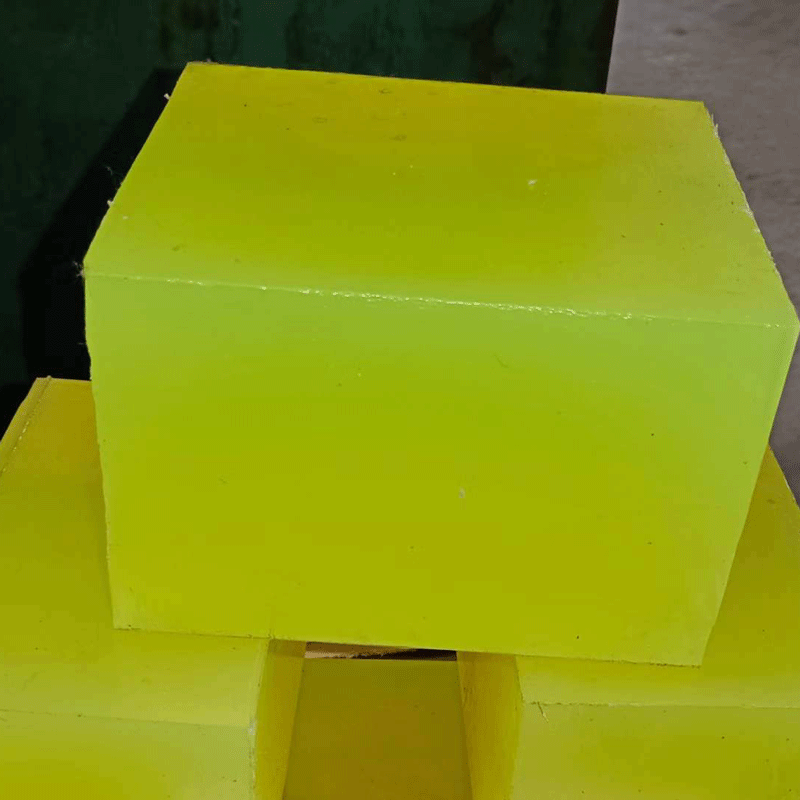
In the world of industrial materials, polyurethane rubber (PU rubber) has emerged as a strong contender, quickly surpassing traditional rubber options such as natural and synthetic rubber in many applications. Known for its exceptional durability, flexibility, and resistance to wear, polyurethane rubber is increasingly favored by industries ranging from automotive to manufacturing. But what exactly makes polyurethane rubber a superior choice? This article explores the key reasons why PU rubber is often the preferred material over traditional rubber options. Limitations of Traditional Rubber Materials Before diving into the benefits of polyurethane rubber, let’s first take a look at the limitations of traditional rubber materials. These limitations can lead to higher operational costs, longer downtime, and more frequent replacements, all of which can negatively impact a business’s efficiency and profitability. The Advantages of Polyurethane Rubber Polyurethane rubber, on the other hand, addresses many of the issues faced by traditional rubber materials. Below are some of the key benefits that make PU rubber a superior choice: Durability and Wear Resistance Polyurethane rubber is known for its exceptional wear resistance. It can withstand heavy loads, friction, and impact better than traditional rubber, making it an ideal material for industries with high mechanical stress. ...
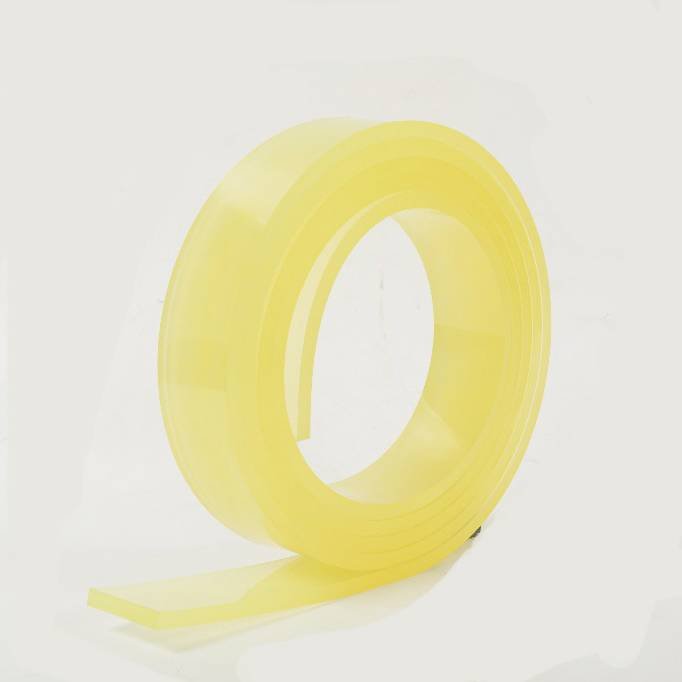
In the world of screen printing, the quality of the printed design depends on several factors, and one crucial component is the squeegee. A PU squeegee, made from polyurethane plastic, plays an essential role in determining the precision, clarity, and longevity of the print. Polyurethane plastic is chosen for its superior durability, chemical resistance, and elasticity, making PU squeegees ideal for high-quality printing applications in industries like ceramics, glass, electronics, and automotive films. What Are Polyurethane Plastic PU Squeegees? Polyurethane squeegees are specialized tools made from polyurethane plastic used to transfer ink onto a substrate during the screen printing process. These squeegees are designed for various applications, ranging from simple fabric printing to more complex industrial printing tasks. Polyurethane plastic is the material of choice because of its outstanding properties: How PU Squeegees Improve Print Quality Key Applications of PU Squeegees in Industries Benefits of Using Polyurethane Plastic for Squeegees Choosing the Right PU Squeegee for Your Application When selecting a PU squeegee for your printing needs, consider the following factors: The Future of Polyurethane Squeegees in Screen Printing With ongoing advancements in polyurethane plastic, the future of PU squeegees looks bright. As the demand for high-quality, durable, and precise ...

In modern industrial operations, pipelines are critical for transporting liquids, gases, and bulk materials efficiently and safely. Choosing the right pipe material can significantly impact the durability, maintenance costs, and operational reliability of a system. Among various options, PU pipe has emerged as a preferred choice for many industries due to its combination of strength, flexibility, and long-term reliability. In this article, we explore the key applications of polyurethane pipes, their advantages, and why PENGDE PU products are trusted worldwide. What is Polyurethane Pipe? Polyurethane pipe is a type of pipe made from high-quality polyurethane (PU) plastic. This material combines the elasticity of rubber with the durability of plastic, making it suitable for demanding industrial environments. PU pipes are produced through advanced manufacturing processes that ensure uniform thickness, consistent flexibility, and superior wear resistance. The unique properties of polyurethane pipes make them ideal for transporting abrasive materials, corrosive fluids, and food-grade liquids. They are widely used in industries where traditional materials like steel or PVC might fail due to wear, chemical exposure, or excessive weight. Key Advantages of PU Pipe in Industrial Use Polyurethane pipes offer multiple advantages that make them superior to traditional piping materials: These advantages make PU ...
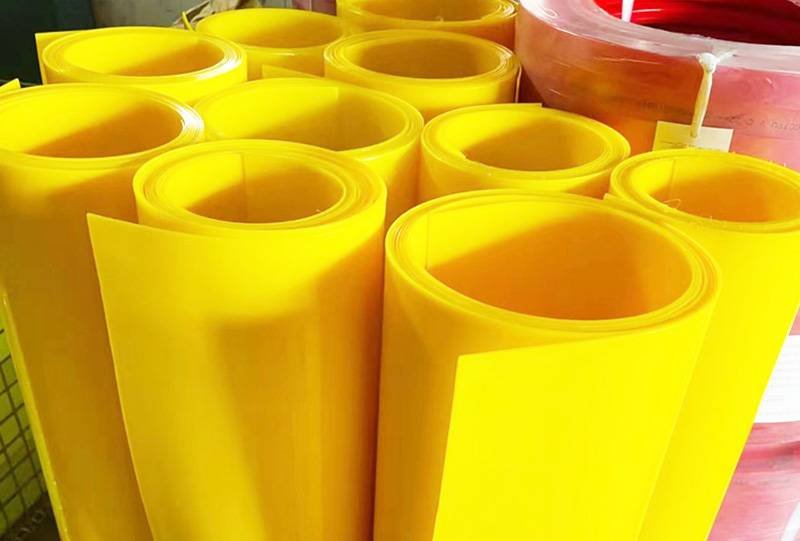
Polyurethane rubber sheets continue to gain popularity in a wide range of industries due to their excellent mechanical strength, abrasion resistance, and versatility. As industrial technology advances in 2025, the demand for high-performance materials like polyurethane (PU) is rising sharply. At PENGDE NEW MATERIAL TECHNOLOGY CO., LTD, we specialize in manufacturing durable and customizable polyurethane rubber sheets designed for industrial performance. Below are the top 10 applications of PU sheets in 2025, based on current industry trends and our manufacturing insights. What Are Polyurethane Rubber Sheets? Polyurethane rubber sheets are elastomeric materials made from polyurethane compounds, designed to combine the flexibility of rubber with the durability and wear resistance of engineered plastics. A PU rubber sheet can be manufactured in different hardness levels, thicknesses, and formulations, allowing it to perform reliably in demanding industrial environments where traditional rubber or plastic sheets may fail. Key Properties of PU Rubber Sheets Compared with conventional rubber materials, PU rubber sheets offer a unique balance of performance, including: 1. Conveyor Belt Liners Polyurethane sheets are extensively used as liners in conveyor belt systems across mining, recycling, and bulk material handling industries. Their superior wear resistance reduces downtime and extends conveyor life, even in highly ...
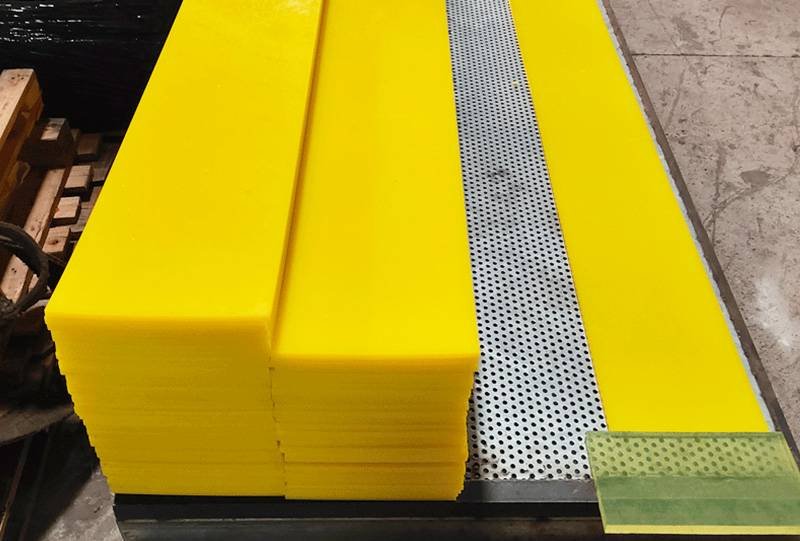
Polyurethane rubber sheets are widely recognized in industrial sectors for their exceptional durability, resilience, and adaptability. At PENGDE NEW MATERIAL TECHNOLOGY CO., LTD, we specialize in manufacturing high-performance polyurethane (PU) materials designed to meet the rigorous demands of global industries. In this article, we provide a comprehensive overview of what polyurethane rubber sheets are, their key advantages, and their common applications. What Is a Polyurethane Rubber Sheet? A polyurethane rubber sheet is an engineered elastomeric material produced from polyurethane polymers. It combines the elasticity of rubber with the toughness and longevity of plastics. Available in a variety of hardness levels, thicknesses, and formulations, PU sheets offer outstanding mechanical and chemical properties that outperform many traditional materials. At PENGDE PU, our polyurethane sheets are precisely formulated to deliver consistent performance in both standard and customized applications. Key Benefits of Polyurethane Rubber Sheets 1. Superior Abrasion Resistance Polyurethane rubber sheets exhibit excellent resistance to wear and abrasion, significantly outperforming conventional rubber. This makes them ideal for high-friction environments where extended service life is critical. 2. High Load-Bearing Capacity Thanks to their high tensile strength and resilience, PU sheets can support heavy loads and resist deformation under pressure, making them suitable for demanding ...
