


When selecting cushioning and protection materials for industrial applications, PU gel pads and silicone pads are two commonly considered options. Both materials are widely used for shock absorption, surface protection, and vibration control, but they perform very differently under industrial conditions. Choosing the wrong material can lead to premature wear, equipment damage, or inefficient production performance. This is why engineers and procurement teams often compare PU gel pads and silicone pads before making a final decision. In this guide, we will break down the key differences between PU gel pads and silicone pads, including material structure, performance characteristics, applications, and cost considerations. This will help you select the most suitable material for your industrial needs. What is PU Gel Pad? A PU gel pad is a cushioning material made from polyurethane-based elastomer with gel-like elasticity. It is designed to absorb impact energy, reduce vibration, and protect mechanical surfaces during operation. PU gel pads are widely used in industrial environments where durability and load-bearing performance are critical. Key characteristics of PU gel pads: Common applications: PU gel pads are especially valued in industries where materials must withstand repeated impact and long operational cycles. What is Silicone Pad? A silicone pad is ...
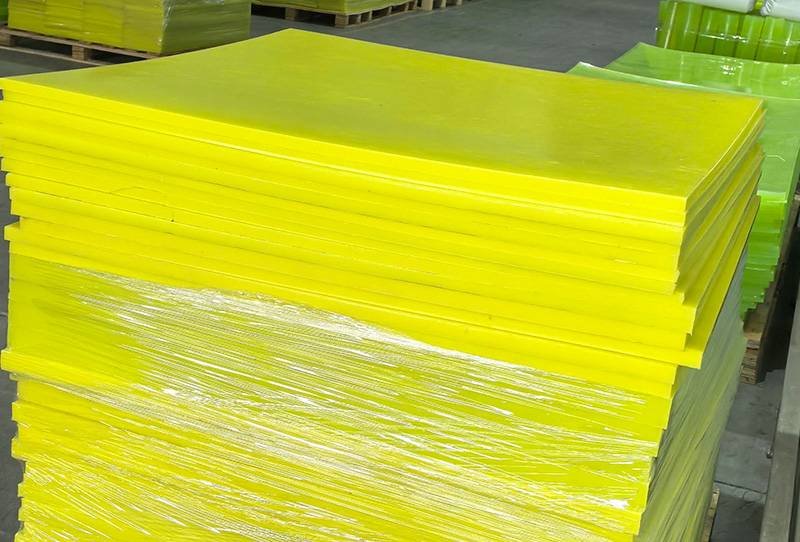
A polyurethane pad is a high-performance industrial component made from polyurethane elastomer, widely used in manufacturing, machining, and heavy-duty industrial systems. It is designed to provide cushioning, shock absorption, wear resistance, and surface protection in demanding working environments. Compared with traditional materials like rubber, metal, or plastic, polyurethane pads offer a significantly longer service life and more stable mechanical performance. Because of this, they are increasingly used in industries such as ceramics, metallurgy, mining, automotive, packaging, and die-cutting. In this guide, you will learn what a polyurethane pad is, how it is made, its key properties, applications, and how to choose the right type for your industrial needs. What is a Polyurethane Pad? A polyurethane pad is an engineered industrial component made from polyurethane (PU), a polymer material known for its excellent elasticity, toughness, and abrasion resistance. In simple terms, it acts as a protective cushioning layer between mechanical parts or working surfaces to reduce impact, vibration, and wear. Polyurethane pads are commonly used in: Unlike conventional rubber pads, polyurethane pads maintain stable performance under high pressure and repeated mechanical stress. How Polyurethane Pad is Made Polyurethane pads are manufactured through a chemical reaction between: These raw materials are carefully ...

In industrial screening operations, efficiency, equipment stability, and maintenance costs are critical factors that directly impact productivity and profitability. Traditional metal screens are widely used, but under demanding conditions such as high abrasion, moisture, or impact, they often face issues like: As a result, industries such as mining, aggregates, and chemical processing are increasingly turning to polyurethane screen panels as a more reliable solution. Compared to conventional materials, polyurethane screen panels offer superior durability, flexibility, and screening performance, making them an essential component in modern polyurethane sieve systems. This article provides a comprehensive overview of how polyurethane screen panels work, their key benefits, applications, and how they significantly improve screening efficiency in industrial environments. What Are Polyurethane Screen Panels? Definition and Structure Polyurethane screen panels are modular screening components made from high-performance polyurethane elastomers. They are typically installed in vibrating screening equipment to separate and classify materials by size. A typical structure includes: This modular structure allows operators to quickly replace worn panels, minimizing downtime and improving operational efficiency. Manufacturing Process High-quality polyurethane screen panels are typically produced through a precise manufacturing process: This process ensures consistent mechanical performance, dimensional accuracy, and long service life. Key Material Properties The performance ...

In bowling, choosing the right ball material can significantly impact your performance and overall experience. With so many options available, many players ask: Why choose a polyurethane bowling ball? Compared to traditional plastic balls and more aggressive reactive resin balls, a polyurethane bowling ball offers a unique balance of durability, control, and consistency. In this guide, we’ll break down the key benefits, compare materials, and help you determine whether a polyurethane bowling ball is the right choice for your needs. What Is a Polyurethane Bowling Ball? A polyurethane bowling ball is made with a polyurethane outer coverstock, a material widely used in both sports and industrial applications due to its excellent physical properties. Key Material Features: These characteristics make polyurethane bowling ball a reliable and versatile option for players at different skill levels. Key Benefits of a Polyurethane Bowling Ball Superior Durability and Wear Resistance One of the biggest advantages of a polyurethane bowling ball is its exceptional durability. Polyurethane material resists surface wear even under frequent use, which means: This same durability is why polyurethane is widely used in industrial products like PU rods and rollers. Better Control and Predictable Motion Control is essential for consistent performance. A polyurethane ...
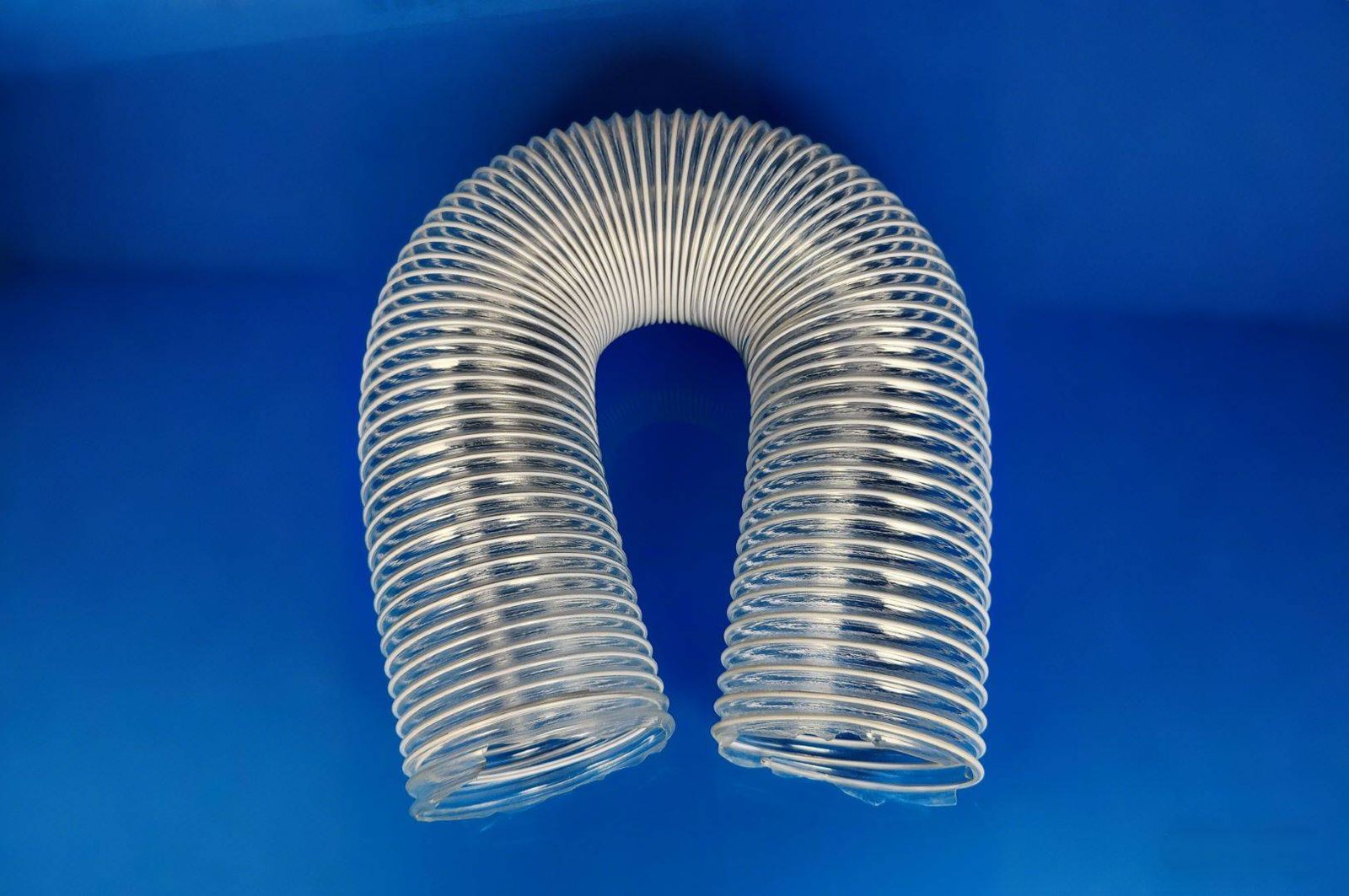
In industrial manufacturing, automation systems, and pneumatic applications, coil tubes are essential components for flexible connections. However, many engineers and procurement professionals face a common question: Should you choose a PU coil tube or a PVC coil tube? Each material has distinct advantages in terms of cost, performance, and application suitability. Choosing the wrong option can lead to increased maintenance costs and reduced system efficiency. In this guide, we will compare PU coil tube and PVC coil tube in detail, covering material properties, performance differences, application scenarios, and supplier selection tips, helping you make an informed decision. What Is a PU Coil Tube? A PU coil tube is a spiral tube made from polyurethane, known for its excellent flexibility and durability. It is widely used in demanding industrial environments. Key Features: Common Applications: Thanks to its superior performance, pu coil tube is often considered the preferred choice for mid-to-high-end industrial applications. What Is a PVC Coil Tube? A PVC coil tube is made from polyvinyl chloride and is commonly used in light-duty applications due to its lower cost. Key Features: Common Applications: However, compared to pu coil tube, PVC generally offers lower durability and shorter service life. PU Coil Tube ...

In modern manufacturing and automated production systems, roller components play a crucial role in maintaining smooth and efficient operations. Among them, the idler roller is one of the most common and essential components used in conveyor systems and industrial machinery. Although it does not provide driving power, it plays a key role in supporting conveyor belts, reducing friction, and ensuring stable material movement. Simply put, an idler roller is a non-powered roller designed to support conveyor belts or guide materials along a production line. It is widely used in conveyor systems, ceramic machinery, packaging equipment, mining operations, and automated manufacturing systems. This article provides a comprehensive overview of idler rollers, including their definition, structure, working principle, types, and industrial applications, helping engineers and procurement professionals better understand this important industrial component. What Is an Idler Roller? Definition of an Idler Roller An idler roller is a supporting roller used in machinery and conveyor systems. Unlike powered rollers, it does not generate motion itself. Instead, it supports the conveyor belt or materials while guiding the direction of movement. In conveyor systems, the primary functions of an idler roller include: Unlike a drive roller, which is connected to a motor and transmits ...

In modern industrial manufacturing and automation systems, wear-resistant and protective materials play a critical role in maintaining equipment efficiency and durability. Among these materials, polyurethane strips have become increasingly popular due to their excellent abrasion resistance, elasticity, and chemical stability. They are widely used in conveyor systems, mechanical equipment, ceramic machinery, packaging equipment, and automated production lines. Simply put, polyurethane strips are strip-shaped components made from polyurethane elastomer. They are typically used for guiding, cushioning, sealing, or protecting equipment components. Compared with traditional rubber or plastic materials, polyurethane provides superior mechanical strength and a longer service life. This makes it an ideal choice for demanding industrial environments. This article explains the definition, manufacturing methods, key advantages, and industrial applications of polyurethane strips, helping engineers and procurement professionals better understand this versatile industrial material. What Are Polyurethane Strips? Definition of Polyurethane Strips Polyurethane strips are strip-shaped industrial components made from polyurethane elastomer materials. They are known for their excellent elasticity, wear resistance, and impact resistance. Depending on the requirements of specific equipment, these strips can be manufactured in different sizes, thicknesses, and hardness levels to provide protection, guidance, or friction control. Common types include: These strip components are typically installed in ...
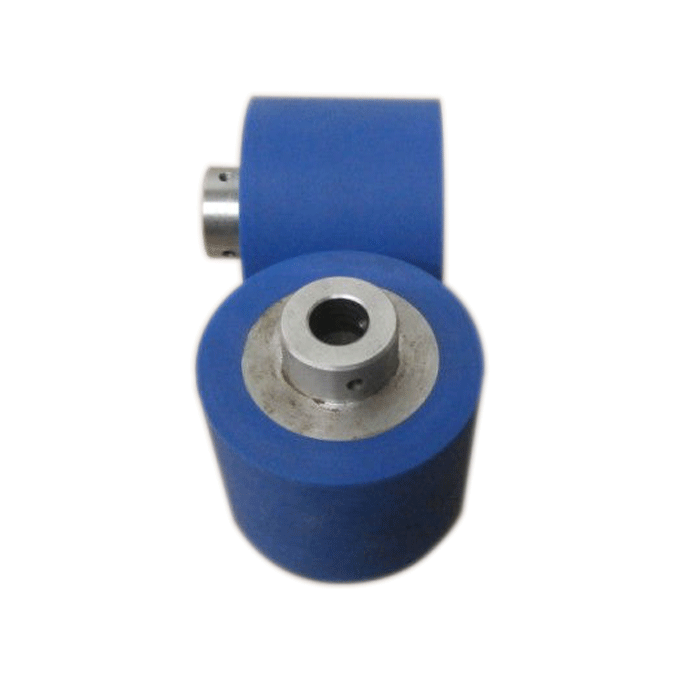
In modern industrial automation systems, roller components play a crucial role in ensuring stable and efficient machine operation. Among them, the urethane drive roller has become a widely used solution due to its excellent wear resistance, traction, and load-bearing capacity. These rollers are commonly used in conveyor systems, packaging equipment, printing machines, and ceramic manufacturing machinery. Simply put, a urethane drive roller is a drive wheel consisting of a metal core covered with a polyurethane outer layer. It not only transmits power effectively but also maintains stable performance in high-load and high-friction environments. Compared with traditional rubber rollers or plastic rollers, polyurethane drive rollers offer superior durability, impact resistance, and service life. This article explains the structure, key advantages, and typical industrial applications of the urethane drive roller, helping engineers and procurement professionals better understand this important industrial component. What Is a Urethane Drive Roller? A urethane drive roller is a mechanical component designed to transmit power within industrial equipment. It typically consists of a metal core combined with a polyurethane outer layer. The roller transfers rotational force to belts, surfaces, or other machine components, allowing the equipment to operate smoothly. In industrial systems, drive rollers serve several important functions, ...

In modern industrial manufacturing and equipment protection, material selection plays a critical role in determining equipment lifespan, operational stability, and maintenance costs. Among various material solutions, the polyurethane foam tube has become increasingly popular due to its excellent elasticity, wear resistance, and shock absorption properties. A polyurethane foam tube is a tubular material produced from polyurethane through a controlled foaming process. Compared with traditional materials such as rubber or PVC, it offers clear advantages in weight reduction, flexibility, abrasion resistance, and impact protection. As a result, it is widely used in equipment protection, industrial cushioning, transportation safety, and manufacturing systems. This article explores the structure, key properties, manufacturing process, and typical applications of the polyurethane foam tube, helping engineers, manufacturers, and procurement professionals better understand this high-performance material. What Is a Polyurethane Foam Tube? A polyurethane foam tube is a hollow tubular structure created through a chemical foaming process using polyurethane material. While maintaining structural strength, the internal cellular structure reduces density and improves flexibility, making it ideal for cushioning and protective applications. From a structural perspective, polyurethane foam tubing generally consists of three main components: This unique structure allows the polyurethane foam tube to absorb and disperse energy when ...

In industrial equipment operations, sealing systems are often one of the most overlooked yet critical components. Many factories encounter common issues such as: These problems not only increase maintenance costs but can also lead to production downtime, reduced product quality, and even safety risks. Polyurethane gaskets have emerged as a high-performance sealing solution specifically designed for harsh industrial conditions. With outstanding wear resistance, excellent elastic recovery, and superior mechanical strength, PU gaskets are increasingly replacing traditional rubber seals across many industries. What Are Polyurethane Gaskets? Polyurethane gaskets are sealing components manufactured from high-performance polyurethane elastomers through precision molding or casting processes. Material Structure Polyurethane materials consist of a unique molecular structure combining: This structure allows polyurethane gaskets to offer: Sealing Mechanism Once installed and compressed, polyurethane gaskets: Even under vibration and heavy loads, they continue to perform reliably. Key Performance Advantages of Polyurethane Gaskets 1. Exceptional Wear Resistance for High-Friction Applications In conveyor systems, rotating shafts, and vibrating machinery, sealing components are exposed to constant friction and impact. Polyurethane typically delivers 3 to 10 times the wear resistance of natural rubber. Why it works: Result: 2. Excellent Compression Set Resistance for Long-Term Sealing Traditional rubber gaskets often suffer from: ❌ ...
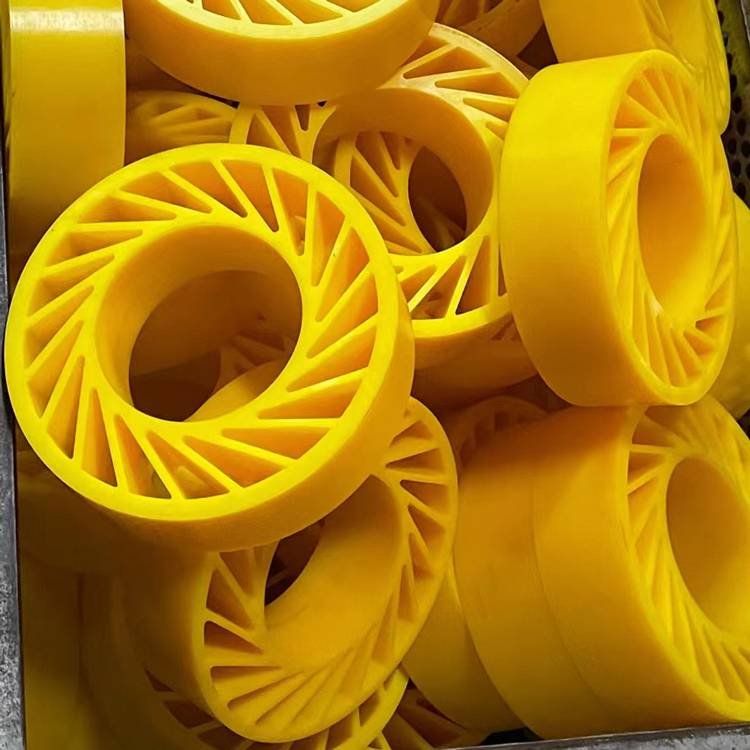
In industrial production, wheels are essential components of conveyors, processing machines, and automated equipment. However, traditional wheels often suffer from crushing, deformation, or excessive wear under heavy loads or continuous operation, directly impacting equipment efficiency and production continuity. No-crush wheels offer exceptional load-bearing, wear-resistant, and elastic properties, making them the ideal solution. By using high-performance PU no-crush wheels, companies can significantly extend equipment lifespan, reduce maintenance costs, and improve overall operational efficiency. This article explores the performance features, industrial applications, and customization guidelines of no-crush wheels. What Is a No-Crush Wheel? A no-crush wheel is a wheel specifically designed for industrial equipment to resist compression and deformation. Typically made of PU (polyurethane) through precision molding, it offers: Common applications include conveyor rollers, printing machine wheels, ceramic machinery wheels, and automated production line components. With customizable PU material and design, non crush wheels can provide precise load capacity and performance tailored to specific equipment needs. Key Performance Features of No-Crush Wheels The customizable performance of PU no-crush wheels is the core reason for their wide industrial adoption. PENGDE optimizes material formulations, hardness, and molding processes to meet diverse industrial requirements. Anti-Deformation and Load Bearing Wear Resistance Impact Resistance Chemical Resistance Flexibility ...
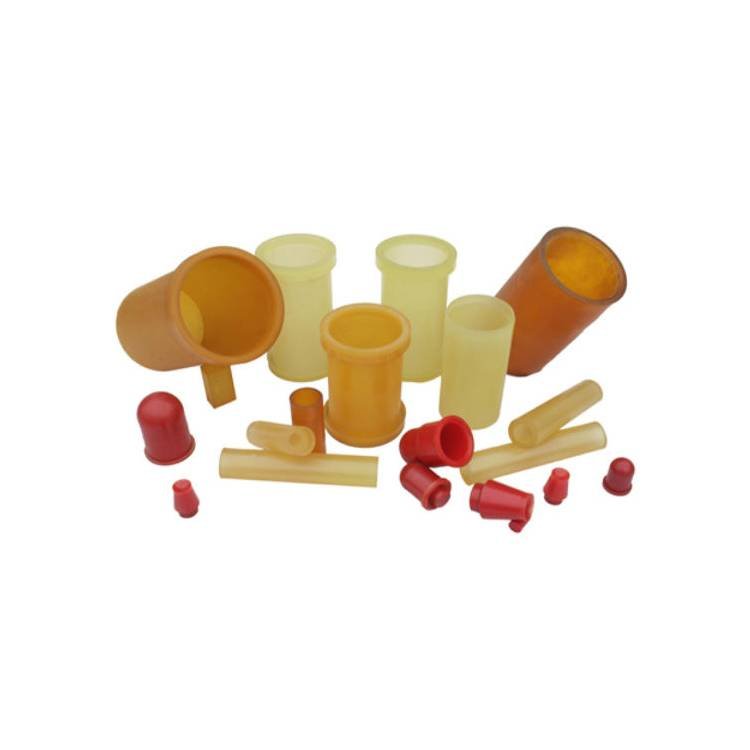
In modern industrial production, the choice of materials directly affects equipment efficiency and product quality. Molded polyurethane parts have become essential components in a wide range of industrial machines due to their exceptional wear resistance, elasticity, impact resistance, and chemical stability. Whether in ceramic machinery, packaging and printing equipment, woodworking, or automated food production lines, selecting high-performance molded polyurethane parts can significantly extend equipment lifespan, reduce maintenance costs, and improve overall production efficiency. This article explores the key performance features, practical industrial applications, and selection guidelines for molded polyurethane parts, helping engineers and procurement specialists make informed decisions. What Are Molded Polyurethane Parts? Molded polyurethane parts are industrial components made using specialized molding processes. Compared to rubber, metal, or standard plastics, PU materials offer adjustable hardness, high elasticity, and outstanding wear resistance, allowing them to perform reliably in complex industrial environments. Common applications include rollers, squeegees, conveyor components, impact buffers, and custom non-standard industrial parts. Their main advantage lies in customizability, allowing dimensions, hardness, surface texture, and elasticity to be tailored for specific industrial requirements. Key Performance Features of Molded Polyurethane Parts The customizable performance of molded polyurethane parts is the foundation of their wide industrial use. At PENGDE, we ...
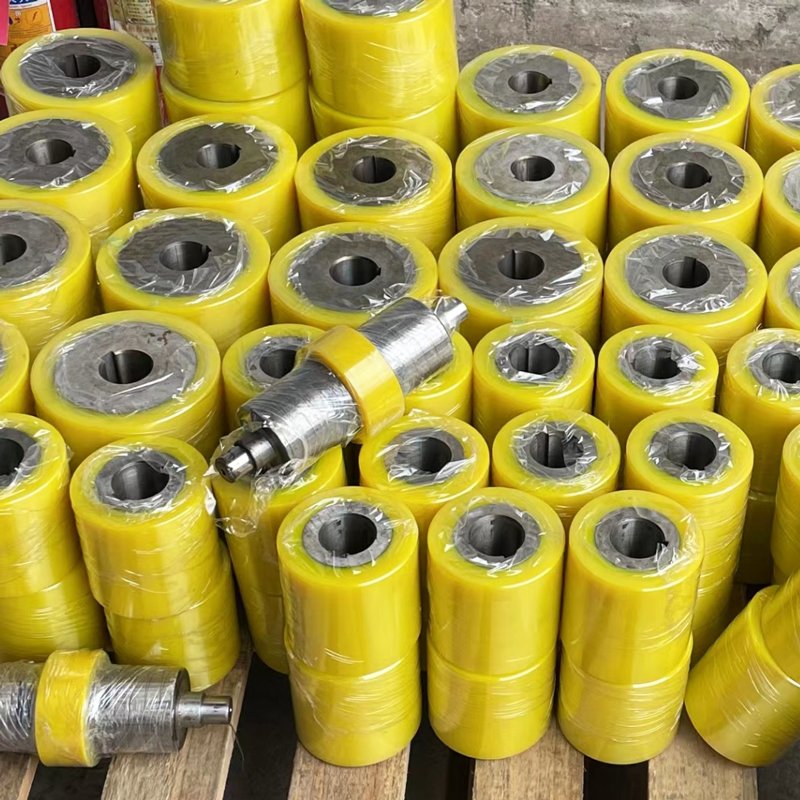
In modern manufacturing, the industrial roll is a critical component in production lines and automated equipment. It plays a vital role in conveying materials, providing support, applying pressure, and protecting surfaces, directly affecting production efficiency, product quality, and equipment lifespan. In various industrial applications, such as ceramic machinery, packaging and printing equipment, woodworking, and food processing lines, the selection and performance of industrial rolls are top concerns for users. Common challenges industrial users face include: This article provides a comprehensive guide to the functions, applications, material selection, and customization options for industrial rolls, helping manufacturers and procurement specialists make informed decisions. What Is an Industrial Roll? Definition and Working Principle An industrial roll is a rotating component installed in machinery that uses rolling friction to transport materials, provide support, and guide movement. Key functions include: The material, hardness, and surface treatment of the roll directly determine its friction coefficient, wear resistance, and service life. Common Types of Industrial Rolls Type Features Typical Applications PU industrial roll High wear resistance, excellent elasticity, oil and aging resistant High-speed production lines, ceramic machinery, packaging equipment Rubber roll High initial friction, low cost Light-load equipment, low-speed conveyors Metal roll High strength, heat resistant Heavy-duty ...

In modern industrial manufacturing, transmission efficiency, equipment stability, and service life directly affect production costs and business competitiveness. As the demand for high-performance transmission materials continues to grow, the polyurethane drive belt has become a preferred upgrade from traditional rubber belts. Compared with rubber materials, polyurethane offers superior wear resistance, tensile strength, elasticity, and overall durability. These advantages make it ideal for high-speed, continuous, and heavy-duty operating environments. For manufacturers aiming to improve efficiency and stability, understanding what a polyurethane drive belt is and why it performs better is essential. This article provides a complete guide to polyurethane drive belts, including definitions, material characteristics, manufacturing processes, application industries, and a detailed performance comparison with rubber belts. What Is a Polyurethane Drive Belt A polyurethane drive belt is a high-performance mechanical power transmission component made from thermoplastic polyurethane (TPU) or cast polyurethane (PU). It is widely used in modern equipment to transfer motion, synchronize movement, and ensure efficient power delivery. Common structures include: Polyurethane has become increasingly popular because its mechanical properties outperform rubber in demanding, high-frequency operations. Key Performance Features of Polyurethane Drive Belts Below is a structured overview of the belt’s core advantages: Outstanding Wear Resistance The dense molecular ...

Wheel polyurethane is quickly becoming the material of choice for various industries, offering unmatched durability, flexibility, and wear resistance. However, to fully capitalize on the benefits of polyurethane wheel, businesses must often turn to custom solutions to meet the specific demands of their operations. Whether you’re in automotive, logistics, or food processing, wheel polyurethane customization ensures that your wheels are optimized for performance, longevity, and cost-effectiveness. In this article, we explore the importance of customized wheel polyurethane and how it can provide tailored solutions for your industry needs. Why Choose Wheel Polyurethane Customization? Wheel polyurethane offers a broad range of benefits for industrial applications, but customization allows you to optimize these benefits for your specific needs. Here’s why customization matters: Meeting Industry-Specific Demands Enhancing Performance Custom wheel polyurethane solutions offer enhanced performance in terms of: Optimizing Work Environments By customizing wheel polyurethane to specific environmental conditions (e.g., extreme temperatures or exposure to chemicals), businesses can ensure that their equipment functions optimally. This customization reduces downtime and maintenance costs, leading to higher productivity. Customization Options for Wheel Polyurethane Custom wheel polyurethane is available in a variety of options to suit different applications. Here’s how you can customize your PU wheels: Hardness ...

Choosing the right polyurethane rod supplier is a crucial decision for businesses across various industries. Polyurethane rods are known for their outstanding durability, flexibility, and resistance to wear, making them ideal for use in manufacturing, automotive, ceramics, and many other sectors. However, selecting a supplier who can consistently provide high-quality, reliable products that meet your specific needs is equally important. This article will guide you through the process of choosing the right polyurethane rod supplier for your industrial requirements. Understanding the Advantages of Polyurethane Rods Before delving into how to choose a supplier, it’s important to understand the benefits of polyurethane rods in various industrial applications: With these advantages in mind, it’s easy to see why polyurethane rods are such a popular choice across industries. Key Factors to Consider When Choosing a Polyurethane Rod Supplier When selecting a polyurethane rod supplier, there are several critical factors that can help ensure you make the right choice: Product Quality and Standards The first thing to look for in a supplier is the quality of their polyurethane rods. High-quality products should meet industry standards for durability, chemical resistance, and wear resistance. Be sure to ask potential suppliers about their manufacturing processes and whether ...

