


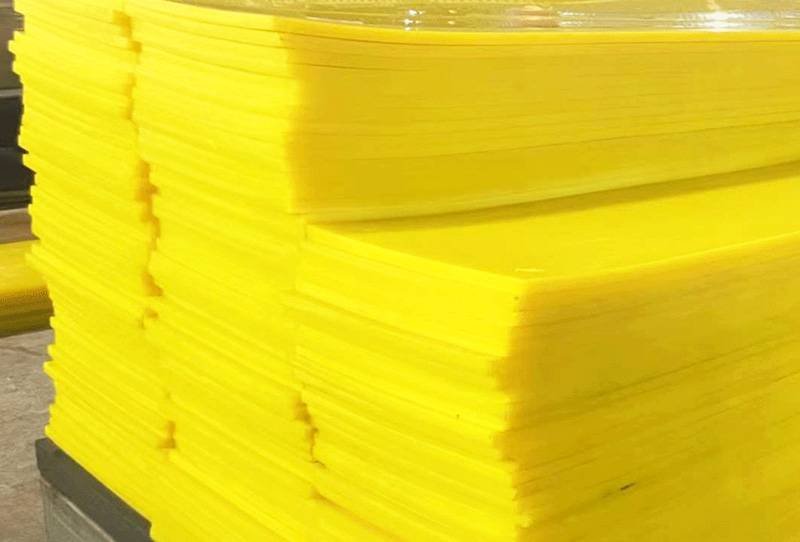
When people hear the word polyurethane (PU), they often wonder: Is polyurethane a plastic or a rubber-like material? The answer is that polyurethane is a polymer material and is generally classified as a type of plastic. However, its unique chemical structure gives it properties that are different from many traditional plastics, making it suitable for a wide range of industrial applications. From flexible foams and coatings to high-performance polyurethane sheets and wear-resistant components, PU materials are widely used in industries that require durability, elasticity, and impact protection. What Is Polyurethane (PU)? Polyurethane, commonly abbreviated as PU, is a type of polymer formed through a chemical reaction between polyols and isocyanates. By adjusting its chemical structure and formulation, polyurethane can be engineered to achieve different levels of hardness, flexibility, strength, and resistance. Unlike some materials that have only one form, polyurethane is highly versatile. It can be produced as: Because of this flexibility in design, polyurethane is considered one of the most adaptable polymer materials available today. Is Polyurethane Considered a Plastic? Yes. Polyurethane is considered a plastic because it is a synthetic polymer material. Plastics are a broad category of materials made from polymers. Depending on their chemical structure, plastics ...
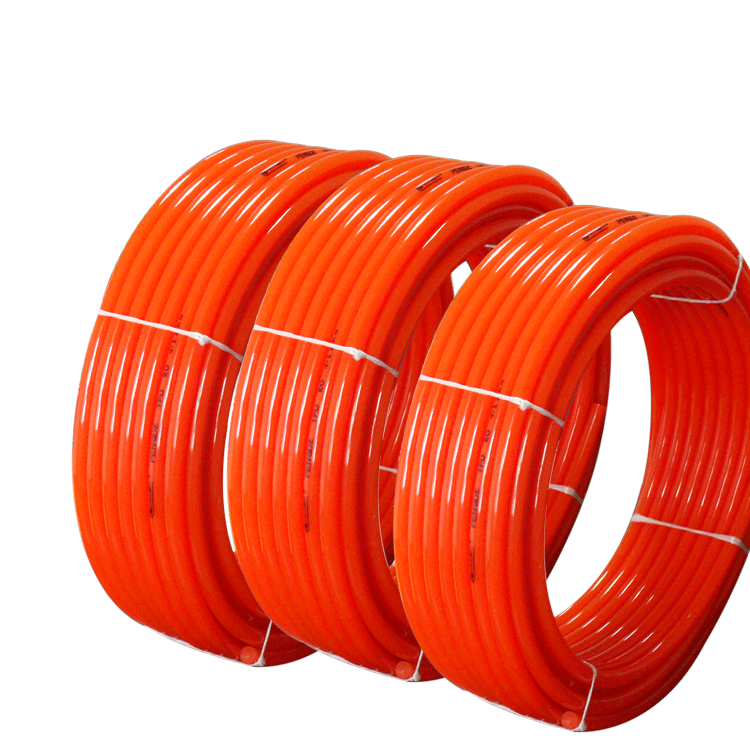
TPU (Thermoplastic Polyurethane) is a type of polyurethane elastomer that combines the flexibility of rubber with the strength and durability of engineering plastics. Unlike traditional thermoset polyurethane, TPU can be melted, reshaped, and recycled through thermoplastic processing methods such as extrusion, injection molding, and 3D printing. Because of its excellent abrasion resistance, elasticity, oil resistance, and processability, TPU is widely used in industrial belts, tubing, wheels, automotive parts, footwear, medical devices, and consumer products. This guide explains what TPU is, how it is made, its key properties, common types, industrial applications, and how to choose the right TPU material for your project. What Does TPU Stand For? TPU stands for Thermoplastic Polyurethane, a family of polyurethane materials that soften when heated and solidify again after cooling without significant chemical changes. Unlike thermoset polyurethane, which permanently cures into a fixed shape, TPU can be reheated and reprocessed multiple times. This characteristic makes it easier to manufacture, recycle, and customize for different applications. TPU belongs to the broader polyurethane family, but it is specifically classified as a thermoplastic elastomer (TPE) because it combines the elasticity of rubber with the processing advantages of thermoplastics. If you’re unfamiliar with polyurethane as a material, it’s ...

Polyester and polyurethane are different synthetic materials designed for different purposes. Polyester is mainly used for lightweight structural materials, fabrics, and reinforcement layers, while polyurethane is commonly used for flexible, wear-resistant, and impact-resistant industrial components. In many products, the two materials are used together rather than competing directly. Polyester often provides strength and dimensional stability, while polyurethane improves flexibility, abrasion resistance, and surface durability. This article explains the key differences between polyester and polyurethane, including their structure, properties, applications, and industrial performance. What Is Polyester? Polyester is a synthetic polymer commonly made from petroleum-based raw materials. The most widely used type is polyethylene terephthalate (PET), which is found in textiles, packaging, industrial fabrics, and plastic products. Because polyester has good tensile strength and dimensional stability, it is widely used in applications that require lightweight structural performance. Common polyester products include: Polyester is valued for: However, polyester has relatively limited flexibility and shock absorption compared with polyurethane materials. What Is Polyurethane? Polyurethane is a highly versatile polymer material produced through reactions between polyols and isocyanates. Depending on the formulation, polyurethane can be soft, rigid, flexible, or elastomeric. Unlike polyester, polyurethane is widely used in applications that require abrasion resistance, elasticity, cushioning, ...
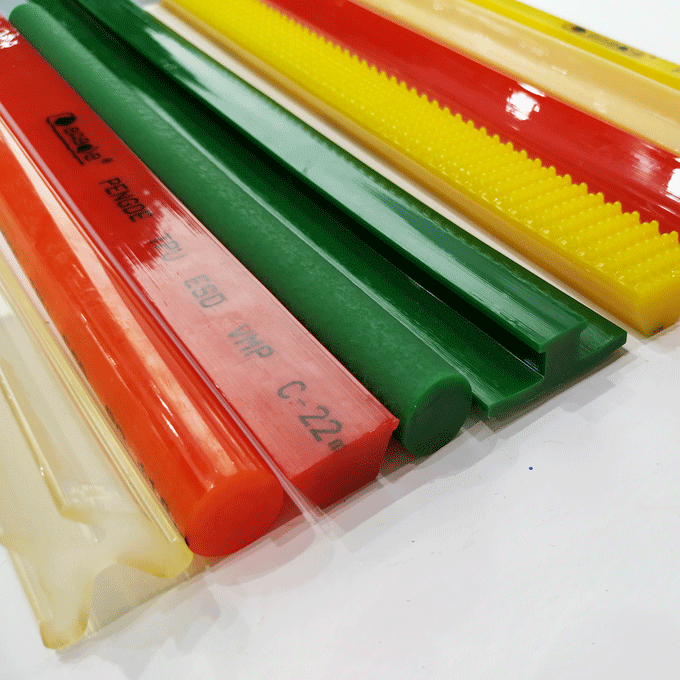
Thermoset PU has a permanently cross-linked structure and cannot be remelted after curing, making it stronger, more rigid, and more suitable for heavy-duty industrial applications. TPU (Thermoplastic Polyurethane), on the other hand, has a linear molecular structure that allows it to be melted and reshaped, making it more flexible, easier to process, and suitable for continuous manufacturing such as belts and films. In simple terms: This article explains the key differences between thermoset PU and TPU, including their structure, properties, manufacturing methods, and industrial applications. What Is Thermoset Polyurethane? Thermoset polyurethane is a type of PU material that forms a permanent chemical structure during curing. Once it is fully cured, it cannot be melted or reshaped. This makes thermoset PU a highly stable and durable material, especially suitable for demanding industrial environments. How Thermoset PU Is Made Thermoset polyurethane is produced through a chemical reaction between polyols and isocyanates. During the curing process, the molecules form strong cross-linked bonds, creating a three-dimensional network structure. Once this structure is formed: This curing process is what gives thermoset PU its high durability and strength. Key Characteristics of Thermoset PU Thermoset polyurethane is widely used in heavy-duty applications because of its performance advantages: ...

Polyurethane (PU) is made from a chemical reaction between two main components: polyols and isocyanates. When these two substances react, they form a polymer material called polyurethane, which can be engineered into soft, flexible, or rigid structures depending on the formulation. In industrial applications, polyurethane is widely used because its chemical composition can be adjusted to create different levels of hardness, elasticity, and wear resistance. What Is PU Material? Polyurethane (PU) is a polymer material formed through a chemical reaction between two main components: polyols and isocyanates. Unlike metals or natural materials, PU does not have a single fixed structure. Instead, it is a formulated material, meaning its final properties depend on how it is chemically designed. This makes polyurethane a highly flexible engineering material that can be adapted for different industrial applications. In simple terms, PU is: A synthetic polymer system whose properties are engineered through chemical formulation. What Is PU Made Of? (Core Chemistry) The foundation of polyurethane chemistry is based on two main raw materials: Polyols (Main Soft Segment Component) Polyols are long-chain molecules containing hydroxyl groups (-OH). They form the “soft segment” of polyurethane. Polyols mainly influence: Different types of polyols can be used to adjust ...
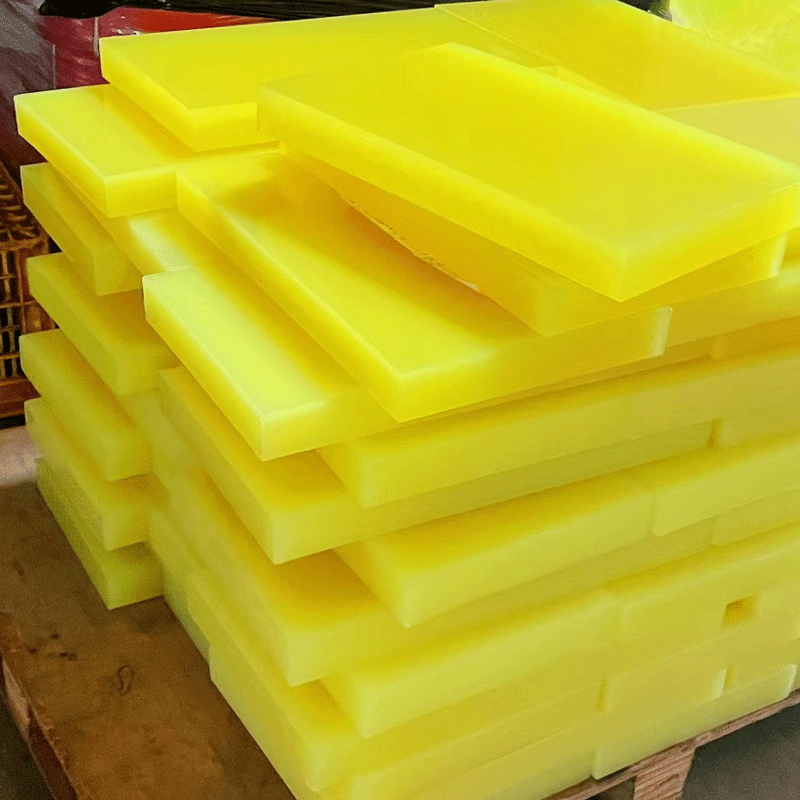
Polyurethane (PU) is a synthetic polymer material used widely in modern industrial engineering. It is known for its ability to combine flexibility, durability, and mechanical strength in one material system. In simple terms, polyurethane is an engineered material that can behave like rubber, plastic, or a rigid structural component depending on how it is formulated. This versatility is why polyurethane is used in industries such as manufacturing, mining, ceramics, packaging, printing, logistics, and automotive systems. What Is Polyurethane? Polyurethane is a polymer material formed through a chemical reaction between two main raw materials: polyols and isocyanates. The resulting material belongs to a broad family of elastomers and engineered plastics. Unlike traditional materials such as rubber or metal, polyurethane is not a single fixed substance. It is a “designed material,” meaning its physical properties can be adjusted during production. This allows manufacturers to create polyurethane products that range from soft and flexible foam materials to hard, wear-resistant industrial components. Is Polyurethane a Plastic or Rubber? Polyurethane does not fit neatly into one category like plastic or rubber. Instead, it is best described as an elastomeric polymer, meaning it can show both elastic and plastic-like behavior depending on its formulation. Why Polyurethane ...
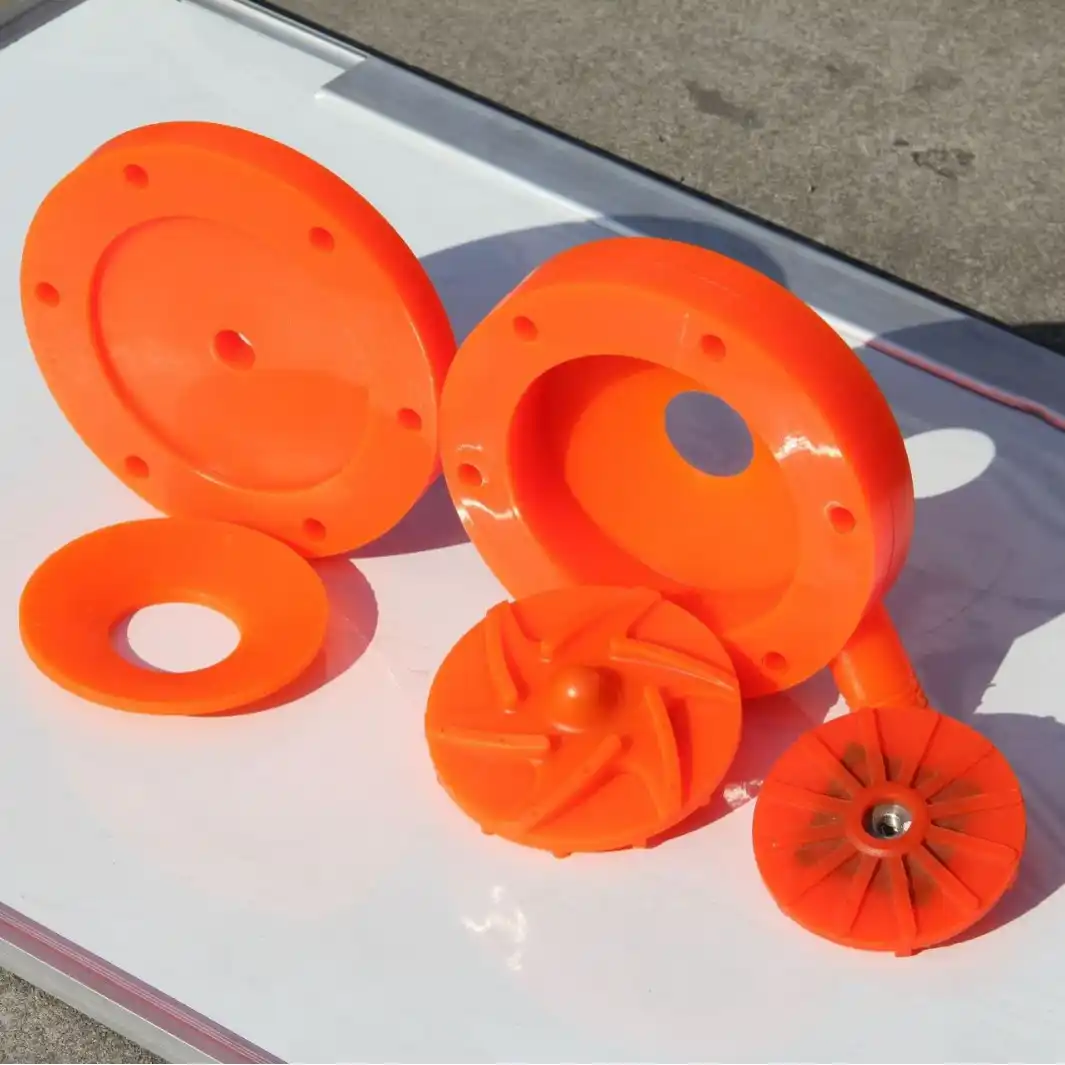
Polyurethane products are widely used in modern industries because they offer an excellent balance of wear resistance, flexibility, load-bearing strength, and chemical resistance. From industrial rollers and TPU belts to custom-engineered machine components, polyurethane materials are used in mining, ceramics, packaging, printing, logistics, and many other industrial systems where durability and long service life are critical. Compared with traditional rubber or plastic materials, polyurethane can be manufactured in different hardness levels, structures, and formulations to meet specific engineering requirements. In this guide, we’ll cover the main types of polyurethane products, material properties, industrial applications, manufacturing processes, and how to choose the right polyurethane solution for different operating environments. What Is Polyurethane? Polyurethane, often abbreviated as PU, is a polymer material created through the chemical reaction between polyols and isocyanates. Depending on the formulation, polyurethane can be manufactured as a soft flexible material, a rigid structural material, or an elastomer with rubber-like properties. One of the main reasons polyurethane is so widely used is that its physical characteristics can be precisely adjusted during production. Manufacturers can control hardness, elasticity, density, abrasion resistance, and chemical resistance according to the requirements of specific applications. Because of this adaptability, polyurethane is not a single ...
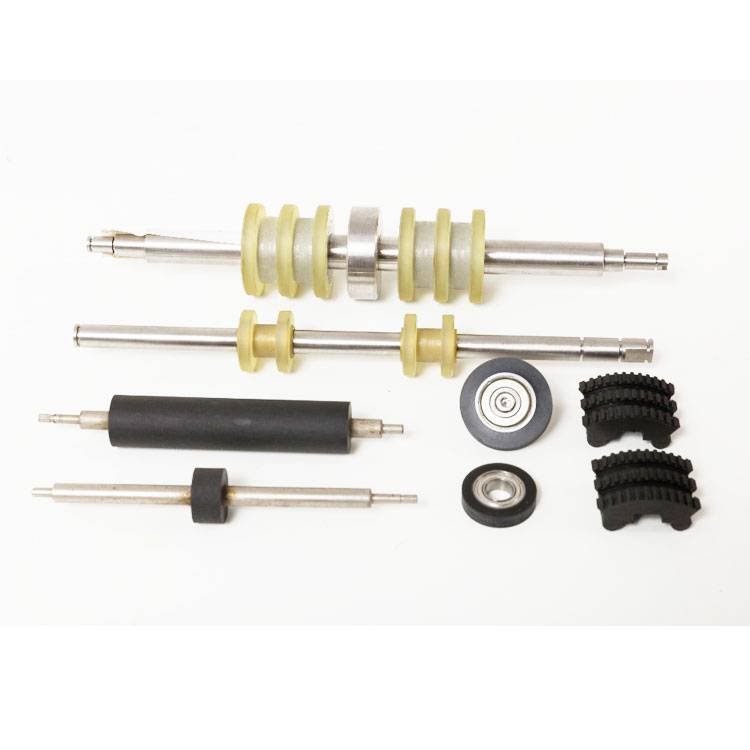
In modern currency handling equipment, the friction wheel plays a critical role in gripping, feeding, and separating banknotes. It is one of the most important currency counting machine parts, directly affecting counting accuracy, operating stability, and overall machine efficiency. Many manufacturers and operators face common issues such as: In most cases, these problems are closely related to material selection. While traditional rubber wheels have long been used in the industry, more high-performance machines are now adopting PU friction wheels to achieve better durability and reliability. This article explains, from both engineering and practical perspectives, why PU friction wheels consistently outperform rubber alternatives in currency counting machine parts. What Is a Friction Wheel in Currency Counting Machine Parts? Core Working Principle During operation, the friction wheel generates controlled friction against the banknotes to achieve: To perform reliably, a friction wheel must provide: Any decline in these properties directly affects counting performance. How Material Choice Impacts Performance From an engineering standpoint, the wheel material determines several critical characteristics: Material Property Impact on Machine Performance Friction stability Counting accuracy Wear resistance Replacement frequency Elastic recovery Operational smoothness Environmental resistance Long-term reliability Therefore, a friction wheel is not a simple rubber component but a ...

Polyurethane (PU) has become an essential material in modern industrial manufacturing due to its high elasticity, excellent wear resistance, oil resistance, and chemical stability. It is widely used in automotive parts, electronics, ceramics, mechanical components, and conveyor belts. Understanding how is polyurethane produced is crucial for overseas buyers, equipment manufacturers, and engineers. It not only helps in selecting the right products but also ensures reliability and long-term stability in industrial operations. This article provides a comprehensive overview of PU production, including raw materials, manufacturing processes, quality control, and typical applications. 1. What is Polyurethane (PU)? Polyurethane is a polymer formed through the chemical reaction between isocyanates and polyols. Depending on processing methods and applications, it can be classified into two main types: The core properties of PU—elasticity, wear resistance, and chemical stability—make it highly valuable across industrial applications. 2. Raw Materials for Polyurethane Production The quality of raw materials directly affects the performance of the final PU product. Key materials include: Material Function Notes Isocyanates (MDI/TDI) React with polyols to form PU backbone Determines hardness and mechanical strength Polyether / Polyester Polyols Provide flexibility and elasticity Polyether or polyester chosen based on application Catalysts Accelerate chemical reaction Controls curing speed ...
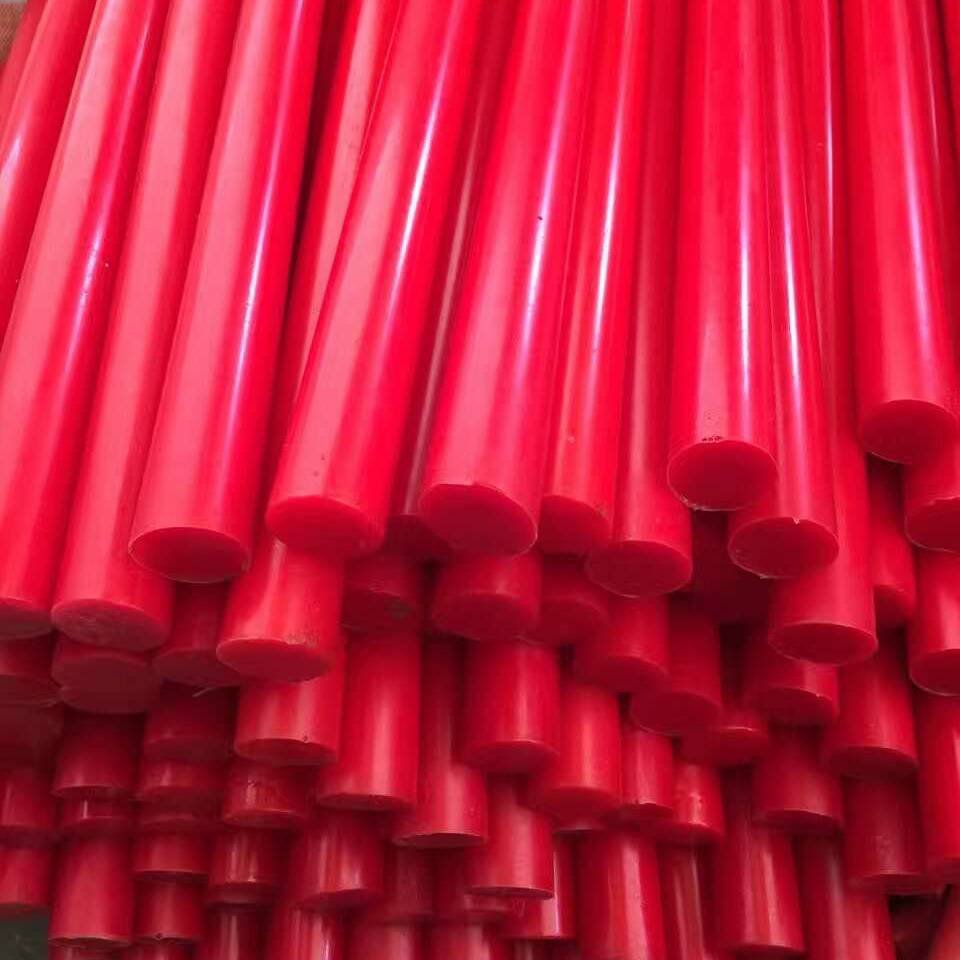
In industrial manufacturing, equipment maintenance, and precision machining, a 1/4 inch polyurethane rod (6.35 mm PU solid rod) is one of the most widely used small-diameter engineering materials. Combining the elasticity of rubber with the strength of engineering plastics, it performs reliably in high-wear, high-frequency, or oil-rich environments. For companies that require compact, durable, and high-precision components, selecting the right polyurethane rod is essential. This guide provides a detailed breakdown of the material definition, technical specifications, application scenarios, selection criteria, and PENGDE factory advantages, helping engineers and procurement teams confidently choose the right 1/4 inch polyurethane rod. 1. What Is a 1/4 Inch Polyurethane Rod? A 1/4 inch polyurethane rod refers to a solid PU rod with a diameter of 6.35 mm. It is manufactured from either cast polyurethane (CPU) or thermoplastic polyurethane (TPU), both of which offer adjustable hardness, color, and performance levels depending on application needs. Key characteristics include: Though small in size, it is often the “hidden but essential” component inside many mechanical systems. 2. Technical Specifications of a 1/4 Inch Polyurethane Rod The following tables present real engineering-grade data used by manufacturing and maintenance engineers for selection and design. Physical and Mechanical Properties Property Typical Range ...

As industries continue to embrace sustainability, selecting materials that offer both high performance and environmental benefits is becoming increasingly important. Polyurethane rod stock stands out as an ideal choice for businesses aiming to reduce their environmental impact without sacrificing quality or durability. This versatile material is not only durable and cost-effective but also provides several eco-friendly advantages. In this article, we will explore its benefits, focusing on how it helps reduce resource waste and enhances energy efficiency. Eco-Friendly Features of Polyurethane Rod Stock One of the main reasons this material is gaining popularity across industries is its eco-friendly properties. Below are some of the key features that make it a sustainable material choice: Recyclability Polyurethane is a recyclable material, which helps reduce waste and lessen the environmental burden associated with disposal. This material can be repurposed and reused, contributing to a more sustainable circular economy. By using recycled polyurethane, companies can help minimize raw material extraction and reduce overall waste production. Non-Toxic and Safe Unlike many traditional materials, polyurethane rod stock is non-toxic, making it a safer option for both workers and the environment. It does not release harmful gases during production or use, making it compliant with health and ...

When it comes to choosing the right foam material for your project, it’s important to understand the differences between polyurethane foam sheets and other common foam materials. Polyurethane foam stands out in several key areas, including durability, flexibility, and insulation properties. In this article, we’ll compare polyurethane foam sheets with other popular foam materials, such as polyethylene, polystyrene, and EVA foam, to help you make an informed decision for your next project. What Are Polyurethane Foam Sheets? Polyurethane foam sheets are highly versatile materials made from polyurethane, a polymer that can be customized to meet specific performance needs. These foam sheets are commonly used in a wide range of applications, including insulation, cushioning, soundproofing, and packaging. Key characteristics of polyurethane foam include: Overview of Other Common Foam Materials Before diving into the comparison, let’s quickly look at some other common foam materials used in similar applications. PU Foam vs Other Foam Materials — Quick Comparison Table Feature Polyurethane Foam Polyethylene Foam Polystyrene Foam EVA Foam Density 20–100 kg/m³ (customizable) 25–50 kg/m³ 15–40 kg/m³ 50–200 kg/m³ Compression Set Low (retains shape) Moderate High Moderate Flexibility High Moderate Low High Thermal Insulation Excellent Moderate Good Moderate Acoustic Insulation Excellent Moderate Poor Moderate ...
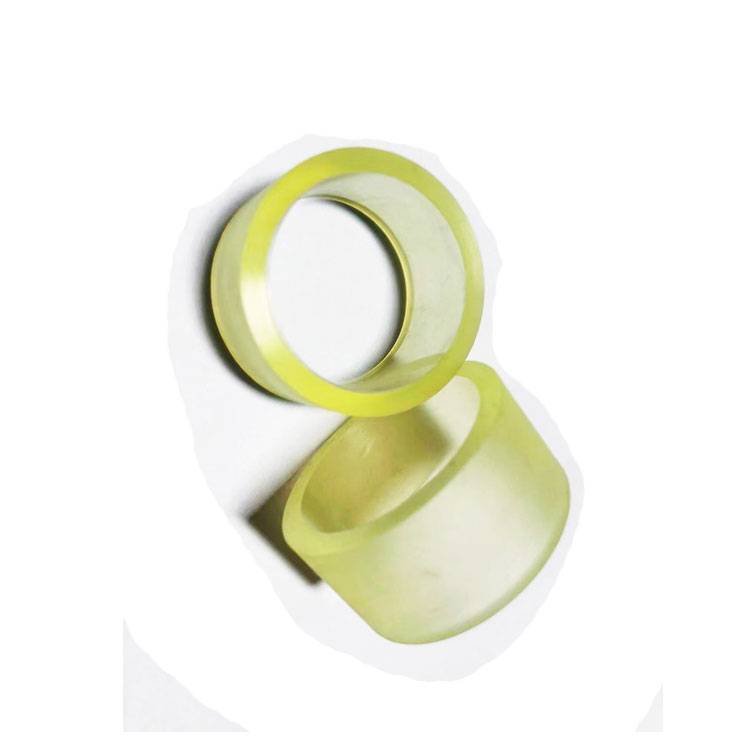
Thermoplastic polyurethane (TPU) tubes are a versatile material used across many industries due to their flexibility, durability, and resistance to wear. Whether in automotive fuel lines, medical catheters, or industrial fluid transfer systems, TPU tubes are integral to ensuring performance and longevity. This article explores the entire manufacturing process of TPU tubes, from raw material selection to testing and quality control. Understanding how these tubes are made will help businesses make informed decisions when selecting materials for their applications. What Are Thermoplastic Polyurethane Tubes? Before diving into the manufacturing process, let’s define thermoplastic polyurethane (TPU). TPU is a class of polyurethane plastics known for their flexibility, durability, and resistance to abrasions, chemicals, and extreme temperatures. Thermoplastic polyurethane tubes, made from this versatile material, offer excellent performance for various applications such as: The key features that make thermoplastic polyurethane tubes so widely used include: The Manufacturing Process of Thermoplastic Polyurethane Tubes The manufacturing process of TPU tubes involves several stages, each contributing to the final product’s performance and quality. Below is a breakdown of these critical steps: 1. Raw Material Selection The first step in manufacturing TPU tubes is selecting the appropriate raw materials. TPU is typically made from a combination ...
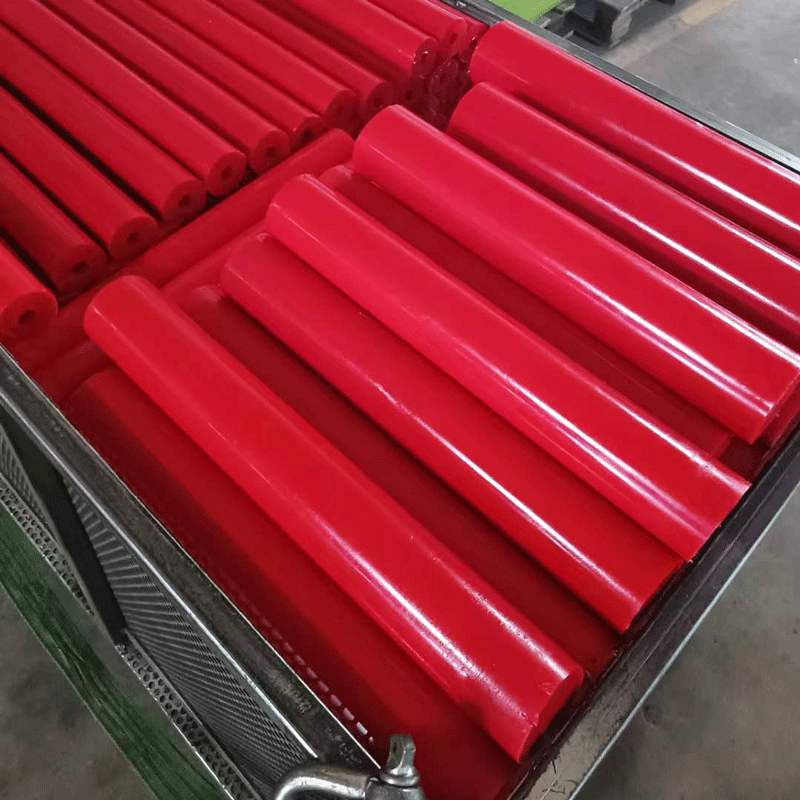
In today’s industrial and manufacturing sectors, material selection is critical for performance, durability, and cost-efficiency. One material that has gained widespread popularity across multiple industries is thermoplastic polyurethane material (TPU). Known for its unique combination of elasticity and strength, TPU offers a versatile solution for applications ranging from automotive components to industrial machinery. Choosing the right TPU ensures reliable performance, long service life, and cost-effective production. This article explores the key properties of thermoplastic polyurethane material, its industrial benefits, and why it is increasingly favored over traditional materials in demanding applications. What is Thermoplastic Polyurethane Material? Thermoplastic polyurethane material is a high-performance polymer that blends the properties of plastic and rubber. Its thermoplastic nature allows it to be heated and molded multiple times without losing its physical properties, offering great flexibility in manufacturing. TPU combines the processing advantages of plastic with the elasticity of rubber, making it ideal for applications that require both durability and flexibility. Compared to conventional materials such as PVC, rubber, or standard plastics, TPU stands out for its superior abrasion resistance, chemical stability, and long-term performance under mechanical stress. Key Properties of Thermoplastic Polyurethane Material Industrial Benefits and Applications Thermoplastic polyurethane material has proven valuable across ...
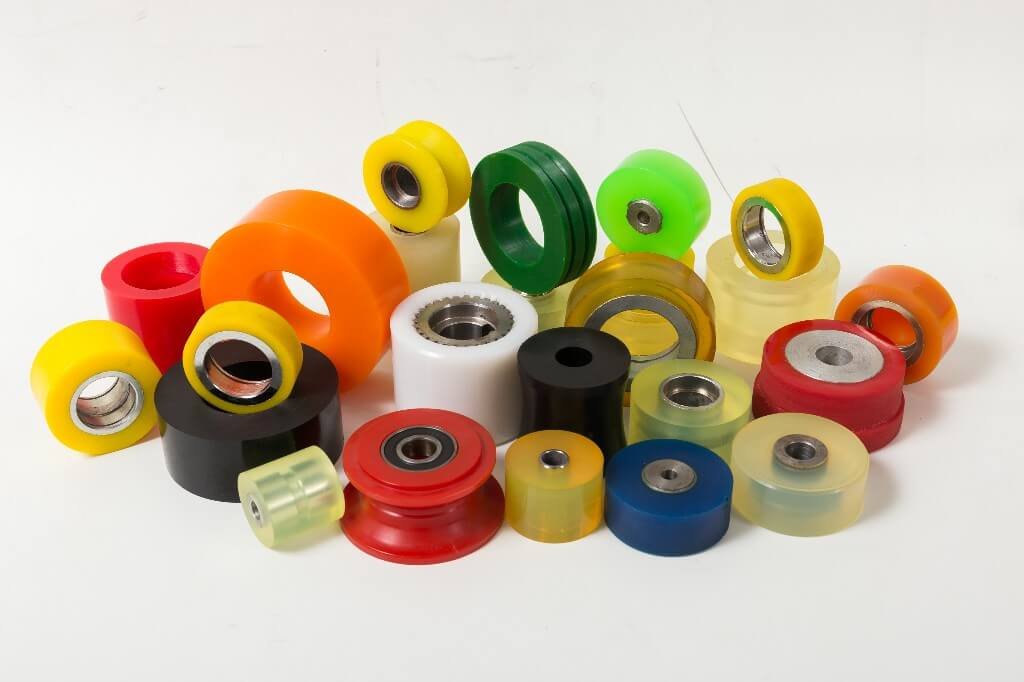
When it comes to vehicle suspension systems and industrial machinery, bushings play an essential role in reducing vibration, absorbing shock, and ensuring stability. They are the unsung heroes that keep components aligned and extend the lifespan of mechanical systems. But one question arises repeatedly: which lasts longer—polyurethane bushings or rubber bushings? In this article, we’ll explore the features, durability, and applications of both materials, with a focus on why polyurethane bushings have become the preferred choice for many industries. Quick Answer: Which Bushings Last Longer? Polyurethane bushings generally last longer than rubber bushings, especially in high-load, high-temperature, or chemically exposed environments. In many applications, polyurethane can last two to three times longer than standard rubber. However, rubber may still be preferred when maximum ride comfort and vibration isolation are priorities. What Are Bushings? Bushings, also known as suspension mounts or vibration isolators, are small yet crucial components used in cars, trucks, and industrial equipment. They act as cushions between parts, minimizing friction and noise while absorbing shocks caused by motion or uneven surfaces. Traditionally, bushings are made from rubber because of its natural elasticity. However, advancements in polymer technology have introduced polyurethane (PU) bushings, which are quickly gaining recognition for ...

When people search for the question “is polyurethane toxic”, they are often concerned about whether PU plastic is safe to use in daily life or industrial environments. With polyurethane materials widely applied in industries such as ceramics, construction, furniture, and consumer goods, it is understandable that safety is a top priority. This article will explain the science behind polyurethane, clear up common misconceptions, and show why PU plastic from PENGDE is a safe, reliable, and trusted choice for businesses worldwide. Is Polyurethane Toxic? The Science Explained The safety of polyurethane largely depends on its state and application. In its liquid or uncured form, polyurethane may release certain chemicals that can irritate the skin, eyes, or respiratory system if handled without proper safety measures. This is why factories and workshops must follow strict guidelines when processing polyurethane materials. However, once polyurethane has fully cured and transformed into PU plastic, it becomes a stable, solid, and non-toxic material. Cured PU plastic does not emit harmful substances under normal use conditions, making it safe for industrial applications, consumer products, and even environments where people are in frequent contact with it. So, the short answer to “is polyurethane toxic” is: uncured polyurethane may require ...

