


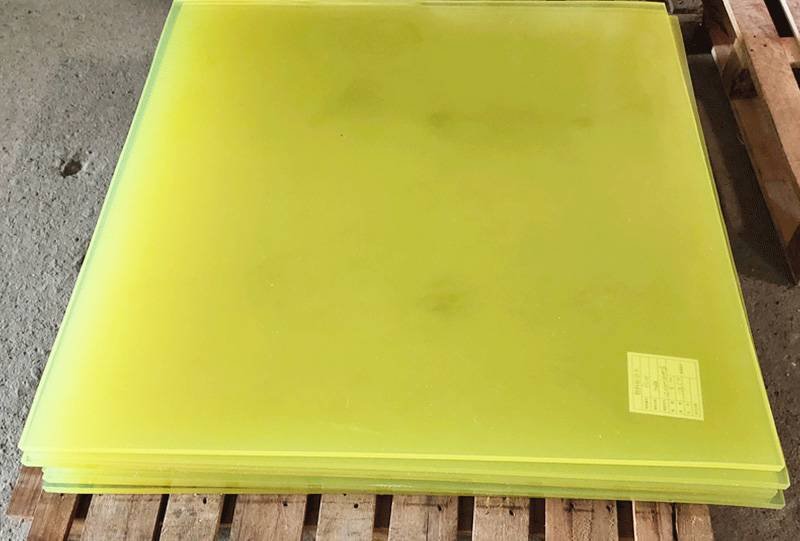
When selecting materials for industrial applications, chemical resistance is crucial—especially when exposed to oils, fuels, solvents, acids, or water. Polyurethane rubber (PU rubber) is a durable, versatile material that maintains strength and integrity in harsh chemical environments. In this guide, we’ll cover how polyurethane rubber reacts to different chemicals, which formulations offer the best protection, and practical application tips for your industry. What Is Chemical Resistance in Polyurethane Rubber? Chemical resistance refers to a material’s ability to maintain its mechanical and structural properties when exposed to chemicals. Polyurethane rubber’s unique molecular structure allows it to resist many aggressive substances. However, its performance depends on formulation, exposure time, chemical concentration, and temperature. Choosing the right PU rubber for your environment ensures durability, reduces maintenance, and lowers replacement costs. Polyurethane’s General Chemical Resistance Profile The table below summarizes the typical chemical resistance of polyurethane rubber. It shows which substances PU rubber can withstand effectively and which chemicals require caution or special formulations. This helps in selecting the right material for your industrial application. Chemical Category Resistance Level Notes Oils & Greases Excellent Especially mineral oils and petroleum-based Solvents (e.g., alcohols) Good to Moderate Short-term exposure is usually acceptable Acids (diluted) Moderate Better ...
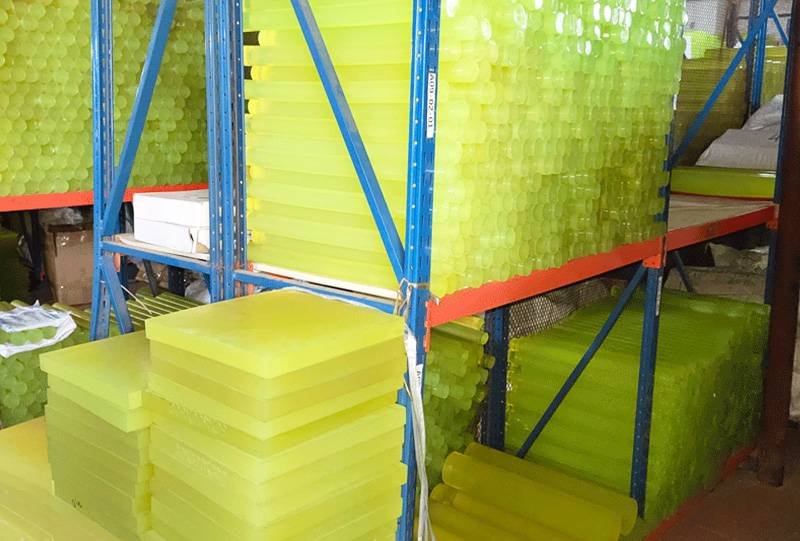
Selecting the right polyurethane sheet for your industrial or commercial application is critical. Hardness determines flexibility, wear resistance, and load-bearing performance—choosing incorrectly can shorten service life or reduce efficiency. This guide explains the difference between Shore A and Shore D hardness, helping you make the right choice. What Is Shore Hardness? Shore hardness is a measure of a material’s resistance to indentation. It is commonly used to determine the hardness of elastomers, plastics, and rubbers. There are multiple Shore scales, but the most relevant for polyurethane sheets are: Shore A vs. Shore D: What’s the Difference? Property Shore A Shore D Typical Hardness Range 30A to 95A 50D to 80D Material Type Softer, more elastic polyurethane Harder, more rigid polyurethane Applications Seals, gaskets, flexible liners Structural parts, wheels, heavy-duty pads Indentation Tool Rounded tip Pointed tip Flexibility High Low to medium Abrasion Resistance Good Excellent Examples: Applications & Examples Different Shore hardness levels are suitable for different industrial applications. Here are some practical examples to guide your selection: Shore A (Flexible / Soft PU Sheets) Shore D (Rigid / Hard PU Sheets) Tip: Selecting the right hardness ensures optimal performance, reduces wear, and prevents premature failure of your PU sheets ...
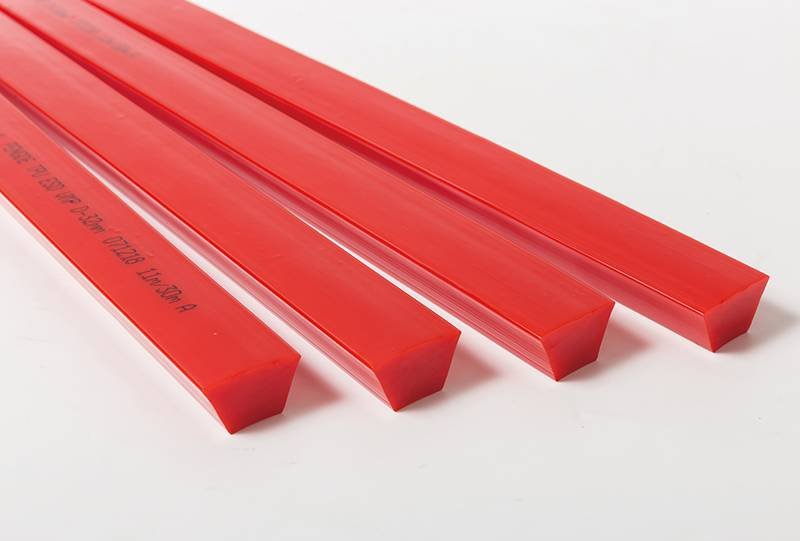
Thermoplastic Polyurethane (TPU) belts have revolutionized various industries with their durability, flexibility, and superior performance. As technology advances, the demand for high-performance conveyor belts continues to grow, driving innovations in TPU belt manufacturing. From sustainability initiatives to smart conveyor systems, the future of TPU belts is shaped by emerging trends that improve efficiency, durability, and environmental impact. Key Trends Shaping the Future of TPU Belts 1. Sustainability and Eco-Friendly Materials As industries focus on reducing their carbon footprint, TPU belts are becoming more sustainable. Manufacturers are developing recyclable TPU materials and using eco-friendly production methods to minimize waste. The shift towards biodegradable TPU formulations is also gaining traction, offering an environmentally responsible alternative to traditional rubber and PVC belts. 2. Smart Conveyor Belt Technology The integration of smart technology into conveyor belts is transforming industrial automation. TPU belts embedded with sensors can monitor temperature, wear, and load capacity in real time. This data allows predictive maintenance, reducing downtime and improving operational efficiency. As Industry 4.0 advances, TPU belts will play a crucial role in connected and automated manufacturing environments. 3. Enhanced Wear and Chemical Resistance Continuous improvements in TPU formulations are leading to belts with higher resistance to abrasion, chemicals, ...

The textile industry relies on high-performance conveyor systems to ensure seamless production processes, from fabric weaving to garment finishing. Thermoplastic Polyurethane (TPU) belts have become a preferred choice due to their efficiency, flexibility, and reliability. Compared to traditional rubber and PVC belts, TPU conveyor belts offer superior wear resistance, smooth operation, and minimal maintenance, making them an ideal solution for textile manufacturers. Why TPU Belts Are Ideal for the Textile Industry High Wear Resistance Textile production involves continuous fabric movement, cutting, and dyeing, all of which subject conveyor belts to significant wear and tear. TPU belts are highly resistant to abrasion, ensuring a longer lifespan and reducing downtime caused by frequent replacements. Flexibility for Complex Operations Textile manufacturing processes often require conveyor belts to handle intricate movements, including twisting and turning. TPU belts offer excellent flexibility, allowing them to work efficiently in weaving, printing, and finishing processes without compromising performance. Non-Marking and Smooth Surface Unlike rubber belts that can leave marks or residues on delicate fabrics, TPU belts have a smooth, non-marking surface. This helps maintain the quality and cleanliness of textiles, preventing contamination or damage during transportation. Resistance to Chemicals and Moisture Many textile processes involve exposure to dyes, ...
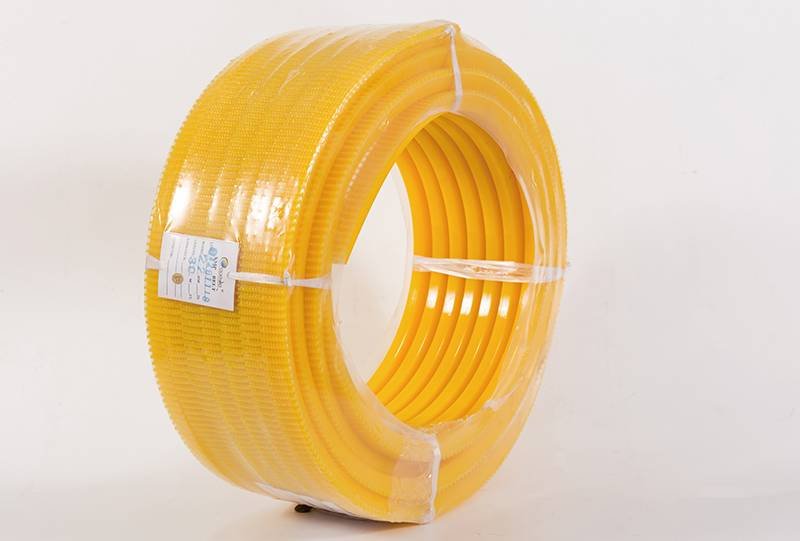
Thermoplastic Polyurethane (TPU) has become a leading material choice for conveyor belts in various industries. Its unique combination of durability, flexibility, and chemical resistance makes it superior to traditional materials like PVC and rubber. But what exactly makes TPU so effective? Understanding the science behind TPU reveals why it is the ideal material for modern conveyor systems. What Is TPU? TPU is a type of elastomer that combines the elasticity of rubber with the strength and processing versatility of thermoplastics. This material is composed of hard and soft segments, which allow it to achieve a balance between flexibility and toughness. The molecular structure of TPU provides high resistance to abrasion, impact, and chemicals, making it perfect for conveyor belt applications. Key Properties That Make TPU Ideal for Conveyor Belts High Wear and Tear Resistance Conveyor belts undergo constant movement, friction, and load-bearing stress. TPU’s high tensile strength and abrasion resistance ensure that belts last longer, reducing the frequency of replacements and maintenance costs. Superior Flexibility and Elasticity Unlike rigid materials, TPU maintains its elastic properties over a wide temperature range. This allows conveyor belts to bend and stretch without cracking or deforming, making them suitable for high-speed operations and complex ...
In the medical industry, equipment reliability, precision, and performance are critical. Conveyor belts play a vital role in ensuring smooth and efficient operation of various medical devices and equipment. Thermoplastic Polyurethane (TPU) belts have emerged as a top choice in medical applications due to their superior performance, durability, and flexibility. These belts offer exceptional wear resistance, cleanliness, and precision—qualities that are essential in medical equipment for handling sensitive materials or processes. In this article, we explore why TPU belts are becoming a preferred option in the medical industry. Why TPU Belts Are Ideal for Medical Equipment 1. High Precision for Sensitive Applications Medical equipment often requires precise and consistent movement of components or products, such as in diagnostic machines, lab equipment, and pharmaceutical production lines. TPU belts offer excellent dimensional stability, ensuring precise and reliable performance in high-precision applications. 2. Cleanliness and Hygienic Properties In the medical industry, maintaining cleanliness is paramount to prevent contamination and ensure patient safety. TPU belts are non-porous, making them easy to clean and highly resistant to bacterial growth. 3. Chemical and Temperature Resistance Medical equipment often operates in environments that involve exposure to various chemicals and extreme temperatures, such as sterilization processes or cleaning ...
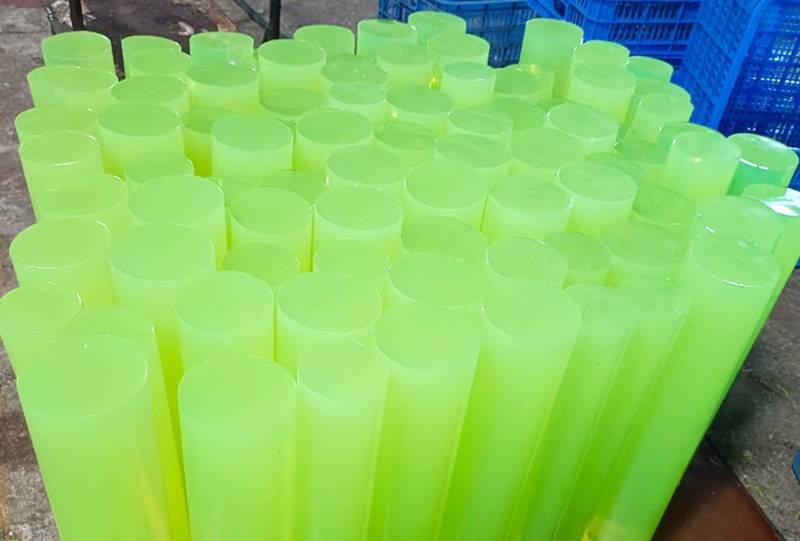
In the search for sustainable alternatives to petroleum-based products, bio-based polyurethane (PU) has emerged as an innovative and eco-friendly option in manufacturing. Bio-based PU, derived from renewable sources like plant oils, offers all the performance of traditional polyurethane while supporting environmental goals. With applications across industries from automotive to consumer goods, bio-based polyurethane is helping to drive sustainable manufacturing forward. This article explores what bio-based polyurethane is, its benefits, and how it is changing the way companies approach sustainability. What is Bio-Based Polyurethane? Bio-based polyurethane is produced using polyols derived from renewable biological resources, such as vegetable oils (soybean, castor, and rapeseed oils) and other plant-based sources. These bio-based polyols replace a portion of the petroleum-based content typically used in traditional PU, reducing reliance on fossil fuels. Why It Matters: By partially replacing petroleum with bio-based alternatives, manufacturers can lower emissions and support renewable resource industries, contributing to a greener and more sustainable economy. Reduced Reliance on Fossil Fuels One of the primary environmental benefits of bio-based polyurethane is the reduced dependence on nonrenewable fossil fuels. Traditional polyurethane production requires petroleum-based raw materials, but bio-based PU incorporates plant-derived polyols, making it a more sustainable alternative. Why It Matters: Less reliance ...
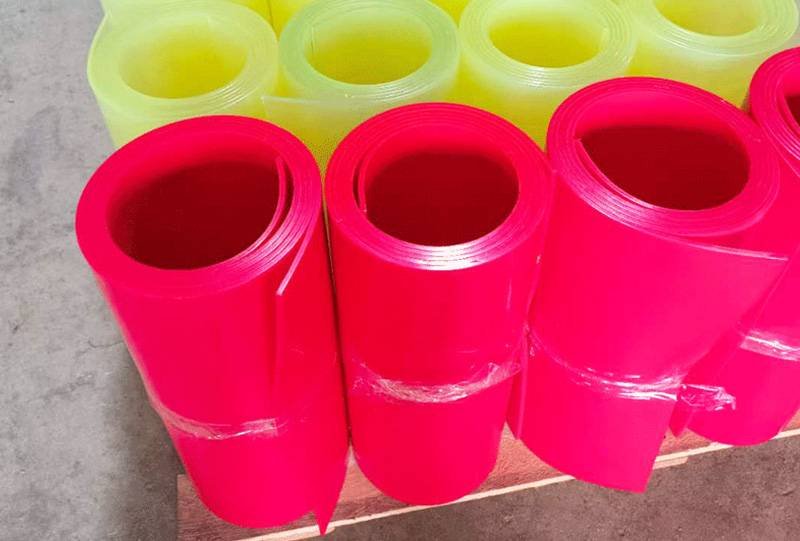
As industries increasingly seek eco-friendly solutions, the versatility and sustainability of polyurethane (PU) have made it a valuable material in manufacturing. Beyond its strength and flexibility, polyurethane offers unique environmental benefits, from reducing waste to lowering energy consumption. In this article, we’ll explore how polyurethane can support sustainable manufacturing practices and contribute to a healthier planet. 1. Longevity and Durability Reduce Waste Polyurethane’s durability is one of its standout qualities. Its ability to resist wear, abrasion, and chemical exposure extends the lifespan of products and components, meaning they need to be replaced less often. This durability leads to fewer products being discarded, reducing the overall waste generated by manufacturing processes. Why It Matters: Long-lasting polyurethane components contribute to sustainability by minimizing the need for replacements and reducing the demand on resources required to produce new parts. 2. Energy-Efficient Production Process Compared to other materials, the production of polyurethane can be relatively energy-efficient. Its production process often requires less energy than metals or other synthetic materials, helping to reduce greenhouse gas emissions and lower the carbon footprint of manufacturing. Why It Matters: Using materials that require less energy to produce directly supports efforts to reduce emissions and conserve resources, aligning with ...
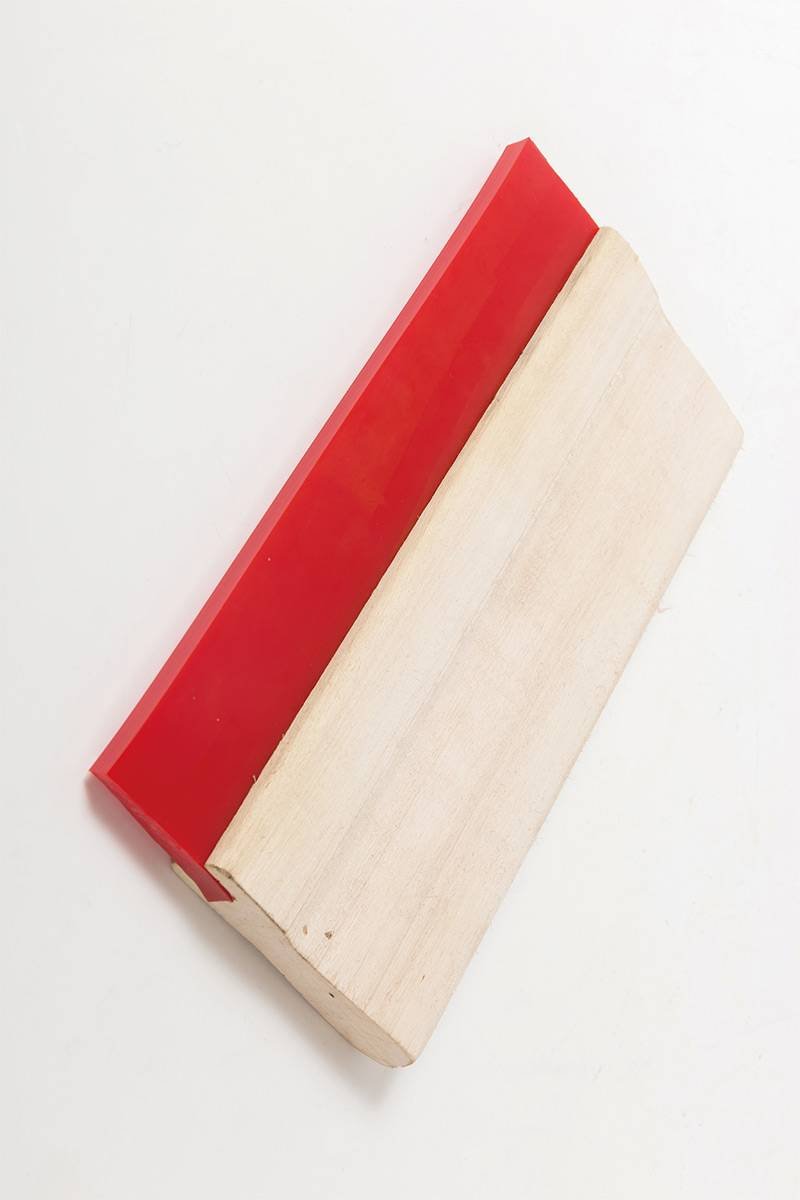
Screen printing is an art that demands precision, consistency, and the right tools to deliver vibrant, sharp prints. One of the most essential tools for achieving high-quality prints is the squeegee, and polyurethane (PU) squeegees are quickly becoming the go-to choice in the industry. With their superior durability, flexibility, and precision, PU squeegees are well-suited to meet the rigorous demands of screen printing. In this article, we’ll explore the top five benefits of using PU squeegees in screen printing and explain why they’re an ideal choice for professional print shops. 1. Exceptional Durability and Longevity One of the biggest advantages of PU squeegees is their outstanding durability. Compared to rubber or plastic squeegees, polyurethane is more resistant to wear and tear, even when used in high-frequency applications. PU squeegees maintain their edge longer, which means consistent print quality and less frequent replacements. This durability makes them a cost-effective option in the long run, as they require less maintenance and fewer replacements. Why This Matters: A longer-lasting squeegee minimizes downtime, reduces replacement costs, and ensures consistent print quality, making it perfect for busy print shops. 2. Excellent Resistance to Chemicals and Inks Screen printing often involves exposure to various inks, chemicals, ...

When it comes to selecting materials for industrial applications, polyurethane (PU) sheets are often the top choice due to their unique blend of properties. Compared to traditional materials like rubber, plastic, and metal, PU sheets offer advantages in terms of flexibility, durability, and chemical resistance. This article dives into the benefits of polyurethane sheets, examining how they outperform other materials in key areas and why they are an excellent choice for a wide range of applications. Key Properties of Polyurethane Sheets Polyurethane sheets are manufactured from high-quality elastomers, providing a material that’s strong, flexible, and resilient. Here are some of the standout qualities that make PU sheets exceptional: Comparing PU Sheets to Rubber, Plastic, and Metal Each material has unique properties, but polyurethane sheets often outperform rubber, plastic, and metal in specific applications. Here’s a closer look at how PU stacks up: Applications Where PU Sheets Excel Polyurethane sheets have a broad range of applications due to their versatility: Tips for Choosing the Right PU Sheet When selecting a polyurethane sheet for your project, keep the following factors in mind: Why Pengde Rubber Plastic Co., Ltd.? At Pengde Rubber Plastic Co., Ltd., we specialize in high-quality polyurethane solutions tailored to ...
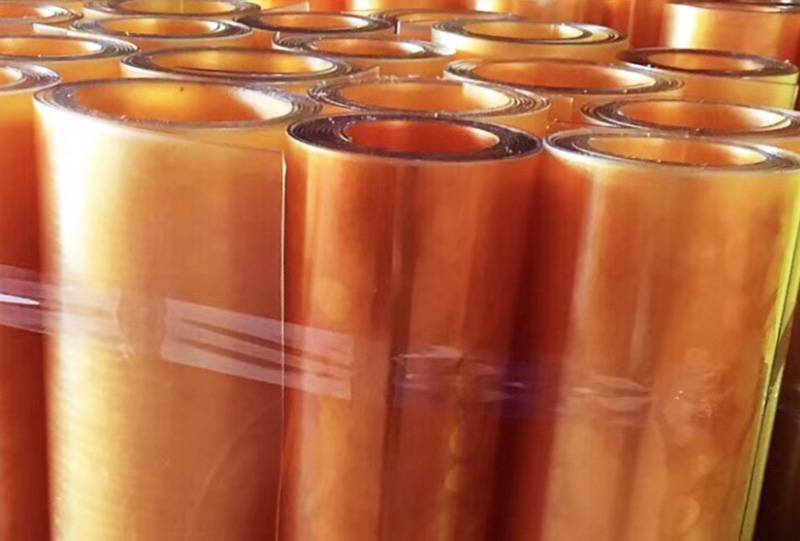
Polyurethane (PU) Sheets have long been a staple in ceramic tile manufacturing due to their durability, flexibility, and resistance to wear. However, recent innovations in the industry have led to even more creative and effective applications of PU Sheets, helping manufacturers improve efficiency, enhance product quality, and reduce costs. This article explores some of the innovative uses of PU Sheets in modern ceramic tile production, demonstrating how this versatile material is being leveraged to meet the evolving demands of the industry. 1. Precision Cutting and Molding Applications Precision is key in modern tile production, where intricate designs and consistent quality are paramount. Benefit: By enabling more precise cutting and molding, PU Sheets reduce waste and rework, leading to cost savings and higher product quality. 2. Advanced Conveyor Systems for Enhanced Tile Handling Handling tiles with care is crucial to prevent damage during production. Benefit: This innovation enhances the overall handling process, leading to fewer damaged tiles and a more efficient production line. 3. High-Temperature Resistant PU Sheets for Kiln Operations Ceramic tile production often involves exposure to high temperatures, particularly in kiln operations. Benefit: Using PU Sheets in high-temperature zones helps prolong the life of the equipment and maintains the ...
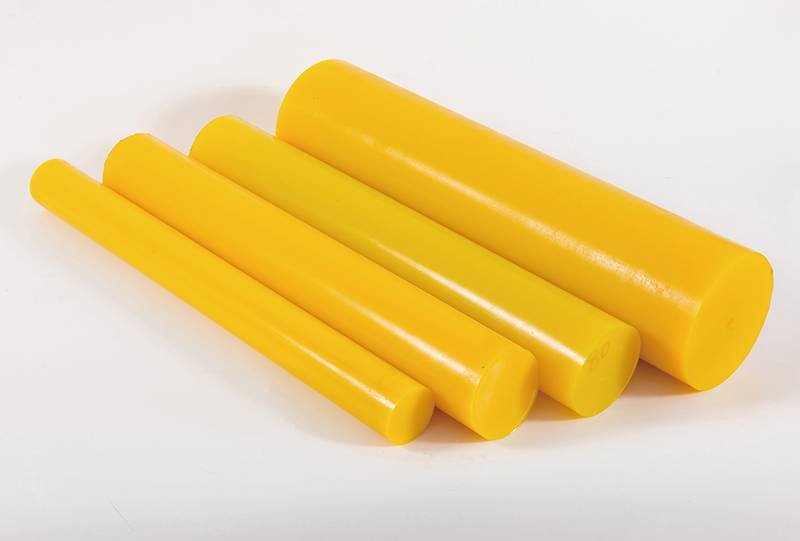
Have you ever wondered about what polyurethane rods are and how these unique materials might lend themselves to your manufacturing needs? It’s not always easy to understand what polyurethane rods are and how they might work for your needs; fortunately, this is something that our experts here at Pengde PU can help with. So, without further ado, we’ve outlined some of the main things you should know about polyurethane rods, including what they are, how they work, and whether or not they might be a good option for your manufacturing needs. What are Polyurethane Rods? Before we go any further, we should first consider what polyurethane rods actually are and how these might lend themselves to your needs. Simply put, polyurethane rods are a type of synthetic product that offers a wide range of benefits, making them incredibly valuable and versatile for manufacturing processes. They are made from polyurethane polymers, shaped into a thin, narrow rod, which allows them to be used in many scenarios. These rods are widely used in modern manufacturing applications and are known for their unique properties, making them an excellent choice for manufacturing components that can withstand demanding environments and provide reliable performance. Are Polyurethane ...

Have you been looking for the perfect material for your manufacturing efforts? If so, there are many different materials that you could potentially choose, and our experts here at Pengde PU, as one of the leading suppliers of premium quality polyurethane rods, understand the importance of quality solutions better than most. In line with this thought, today, we’re looking at some of the unique characteristics of polyurethane rods to help you decide whether or not these might be the materials you’ve been looking for in your own manufacturing efforts. What are the Unique Properties of Polyurethane Rods? When looking for the ideal manufacturing materials, it’s crucial to consider the properties of each different solution, and this is something that we understand better than most. Fortunately, our premium-quality PU rods offer a wealth of properties that help make them a versatile, practical, and valuable material for many uses. Some of the main properties that make PU rods a valuable and versatile material include the following. Abrasion Resistance Polyurethane rods are highly resistant to abrasion, making them suitable for use in applications where the material is subject to constant wear and tear. This property makes them ideal for use in machinery components ...

When it comes to manufacturing, there’s no simple way to find the right material in every case, and this is something that we here at Pengde PU understand better than most. Following this thought, today, we’re looking at some of the main properties of polyurethane rods to help you find out if they might be right for your needs, including critically whether they are chemical resistant or not and how they could work for your processes. Is Polyurethane Chemical Resistant? When choosing a material for your manufacturing lines, our friendly teams here at Pengde PU understand the importance of quality and reliable properties more than most. As a result, we are proud to offer some of the highest-quality polyurethane on the market – and there’s some good news for manufacturing firms. Indeed, PU rods are incredibly practical and versatile materials, and one of their main benefits is their unique chemical resistance which can lend itself readily to manufacturing is its excellent chemical resistance. Why is Chemical Resistance so Important in Manufacturing? Chemical resistance is crucial in manufacturing due to its significant impact on product quality, safety, and longevity. Indeed, when materials are exposed to various chemicals during the production process, ...
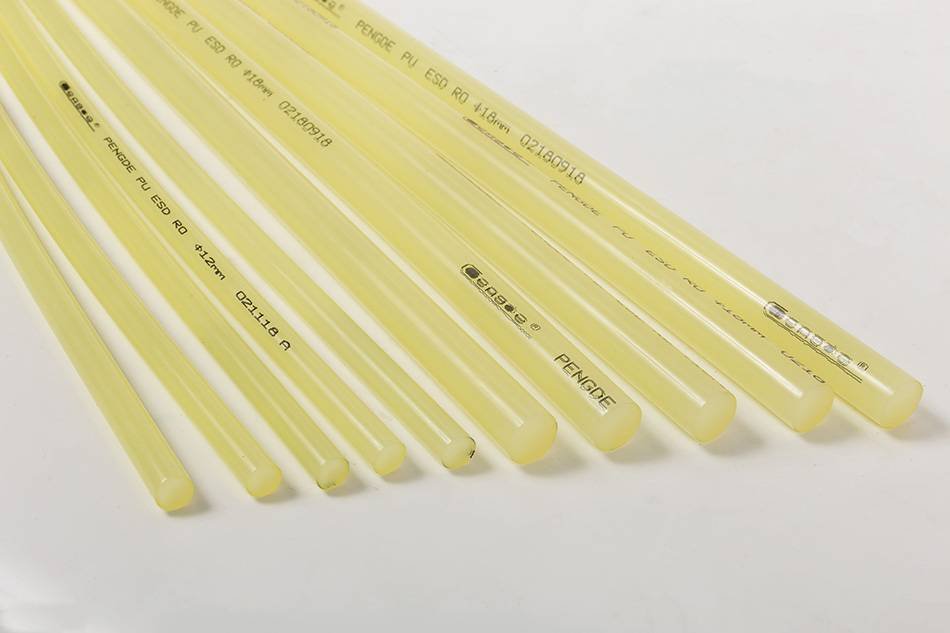
Have you been looking for a new material to use on your business’s manufacturing lines? If so, there are many different products you could consider, and our experts here at Pengde PU understand this better than most. In line with this thought, today, we’re looking at some of the key things you should know about polyurethane rods to help you understand more about these unique materials, including what they are, how they work, and whether they are wear-resistant enough to withstand regular, heavy-duty use. Are Polyurethane Rods Wear Resistant? When choosing a material for your manufacturing line, ensuring you have a reliable, dependable, and long-lasting solution is key. Fortunately, polyurethane rods are highly wear-resistant due to the material’s unique properties, making it an excellent solution overall. Indeed, PU rods are known for their exceptional resistance to wear and tear, making them a popular choice for applications involving moving parts and various industrial uses. The ability of polyurethane rods to withstand demanding environments and provide reliable performance is attributed to their durable and long-lasting nature, which is something that many businesses consider to be highly important. This exceptional wear resistance makes polyurethane rods suitable for a wide range of scenarios in ...
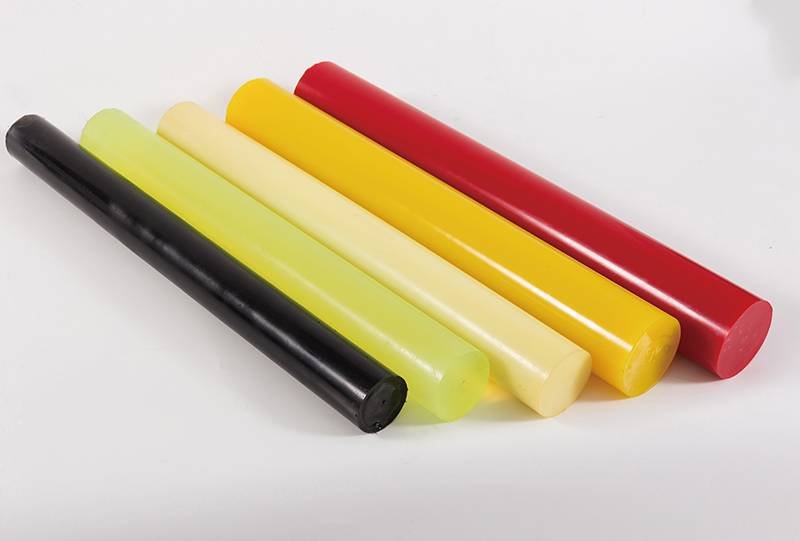
Have you ever wondered about the uses and benefits of polyurethane rods? PU rods lend themselves in a myriad of ways, and keeping these in mind could help you determine whether these might be a practical and valuable option for your business. In line with this thought, today, we’re looking at what PU rods are used for to help you see if they could work for you. What are Polyurethane Rods? Before we go any further, it’s first worth considering what polyurethane rods actually are. Simply put, polyurethane rods are a specialist type of synthetic product that can offer a wide range of benefits, making them incredibly valuable and versatile for manufacturing processes. Polyurethane was first invented in the 1930s and rapidly became one of the most widely used polymer materials globally, now accounting for a significant proportion of the materials used in manufacturing. Now that we’ve considered briefly what polyurethane itself is, it’s worth considering the distinction between these and PU rods. Polyurethane rods are widely utilised in modern manufacturing applications and are made from polyurethane shaped into a thin, narrow rod, which allows them to be used in many scenarios. For example, they are often considered highly versatile ...

