


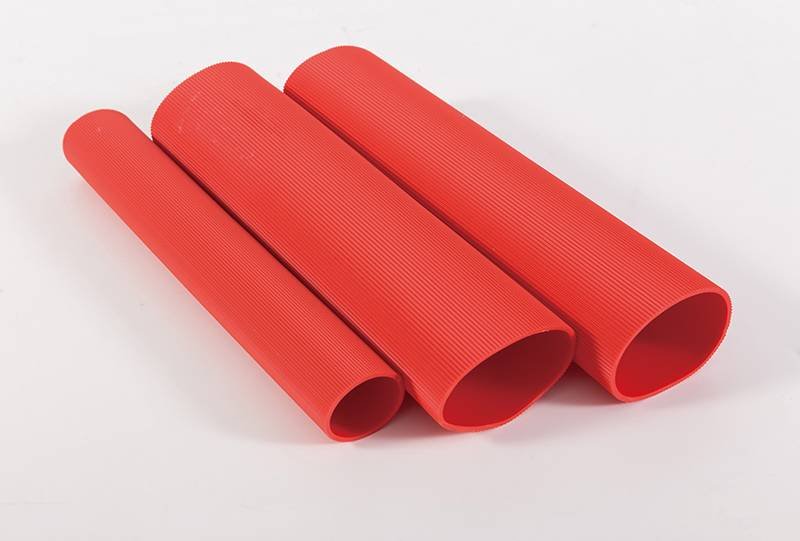
When investing in the optimal materials for your business, considering the different options is essential. However, in many cases, brands tend to simply choose the cheapest option on the market without necessarily considering how this could offer long-term value. Following this thought, today, we’re looking at some of the key properties and features of polyvinyl chloride and how these can help make PVC roller sleeves cost-effective and affordable tools for your business. The Benefits of PVC Materials for Businesses Polyvinyl chloride is a hugely popular material. Indeed, given its recent growth and success, it’s safe to say that it’s become one of the most popular options for quality and durability accordingly.Depending on the application, the lifespan of quality PVC products can often be years. While moving parts, such as roller sleeves, may wear out more quickly than some alternative materials, due to the increased pressure and load placed upon them, they should still be able to last for several years before needing maintenance. However, this will depend on your chosen provider, so be sure to discuss this with your chosen parts manufacturer to see what guarantee they provide on their products. How Polyvinyl Chloride Roller Sleeves Contribute to Cost-Effectiveness There ...

Every industry has unique needs and requirements, and this is highly important to keep in mind when investing in new tools. Just one such tool you may require is a roller sleeve, which lends itself to a surprising number of industries. Fortunately, our team here at Pengde is on hand to help you find out more about these products, including how PVC roller sleeves can be a cut above the rest in terms of quality and reliability. What is PVC? Before we go any further, knowing the properties of the different material options is highly important. As such, we first need to define what PVC actually is. Short for polyvinyl chloride, this unique material is a type of synthetic polymer made from vinyl chloride. Thanks to its range of properties, such as its versatility, durability, and value, it has become one of the most widely used thermoplastics worldwide. The Uses of PVC Roller Sleeve in Industries Thanks to their versatile and varied properties, polyvinyl chloride rollers are often useful products for many industries. Some of the main uses can include the following: -Decorating: We all want our homes and commercial properties to look their best. As such – and perhaps ...

Polyurethane sheeting is rapidly growing as a popular and versatile option, and as a result, this could be well worth keeping in mind as part of your decision. Fortunately, our experts have outlined some of the main properties and characteristics of PU sheeting as follows to help you determine the most appropriate materials for your project needs. What are the Properties of PU Sheeting? The properties of PU (polyurethane) sheeting are often variable; this can be dependent upon the material’s nature. Nonetheless, the following points can potentially highlight some of the key properties that people look for from their sheets. #1 Flexible Material One of the main reasons that people choose to invest in PU materials – such as sheets – for their projects is for flexibility. While this will invariably depend on thickness and the like, most polyurethane sheets are incredibly flexible and easy to work with. This is further supported by the material’s machinability, which gives greater freedom and control over the final shape and properties of the sheet. #2 Resistant to Chemical Exposure If you are looking for sheet materials capable of withstanding chemical exposure, PU might be ideal. Indeed, thanks to their ability to withstand chemical ...
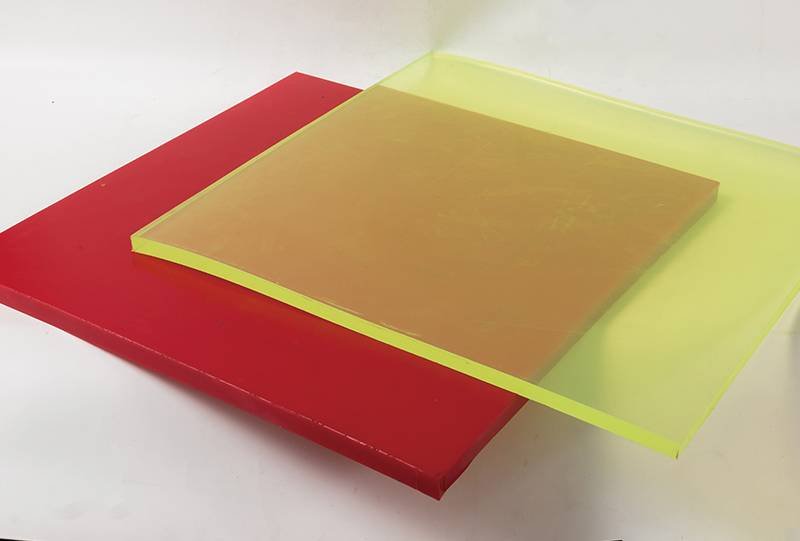
Finding the opportune materials for your business’s trading needs can often seem tough. Nevertheless, materials like PU sheeting present a valuable, dependable, and practical solution for various different applications – and this just so happens to be our area of expertise here at Pengde excels. In line with this, today, we’re taking a look at some of the different properties of polyurethane sheeting. Hopefully, this should help inform your own trading decisions, too. What are Polyurethane Sheets? Polyurethane sheets are specialist polymers created from numerous different materials, offering a highly practical and reliable option for many situations. These materials are rolled out into a thin sheet, providing numerous properties that help make them versatile and reliable options for a range of applications. What are the Properties of PU Sheets? PU sheets offer a wealth of properties that help make them popular options for many projects and applications. Of course, it’s well worth keeping in mind here that the exact properties will depend on the specifications to which the sheets are made. Some of the main properties include the following:-Abrasion and tear resistance – In contrast to many other materials, polyurethane can potentially provide superior resistance to abrasion and tearing. Hence, ...

When it comes to your business’s products and parts, finding the most reliable materials is an exceptionally important process; however, all too often, it’s easy to choose the first option you stumble across. With that being said, though, this isn’t always the best solution for your business’s needs, which is where top-rated polyurethane rods come in. Fortunately, here at Pengde, this is something we understand better than most; as such, we’ve outlined some of the main things you should know about premium PU rods as follows in terms of the range of options and customisation options to help you find the opportune solutions. Can PU Rods be Customised to My Needs? If you have been looking to invest in PU rods, knowing about the options available to you is important. Luckily, we have some good news: polyurethane rods can be custom-made based on your particular requirements. In line with this thought, if you have been looking for top-rated solutions that best match your business’s needs or the scope of your project, a bespoke design may be best-suited. Of course, in order to create custom-made PU rods, you’ll first need to know about the type of polyurethane you need. Polyurethane Rods ...
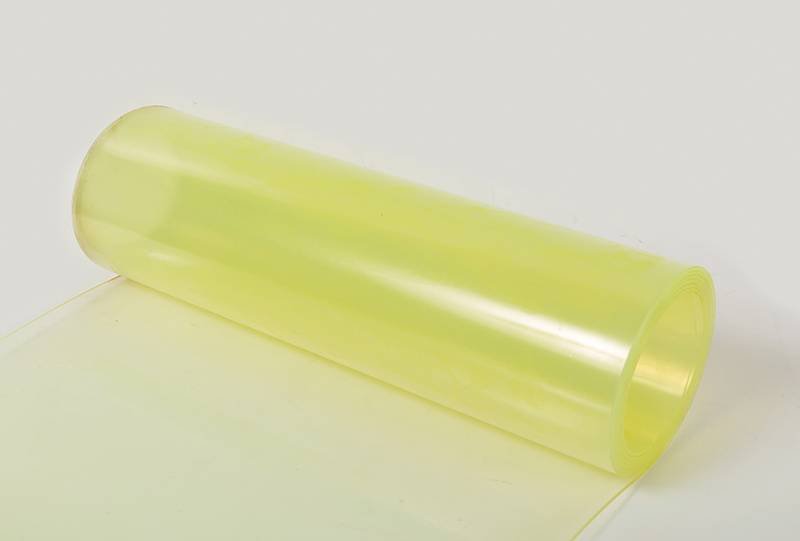
Have you ever wondered what urethane sheeting is, how it works, and whether it might be a good option for your brand? Considering the different material options available is hugely important in many cases, but this can sometimes be a difficult decision to make – and as a result, our experts here at Pengde are on hand to give you some more pointers on the different features of urethane sheeting and how it could be right for you. What is Urethane Sheeting? Urethane sheeting is a specialist material that’s widely used in a growing number of scenarios. Commonly known as “polyurethane sheeting,” urethane sheets are specialist high-performance materials with excellent durability, resistance, and elasticity. These materials are large, often thin sheets of polyurethane that can be used in a wide array of different applications. What are the Properties of Urethane Sheets? Urethane sheets offer numerous different properties that help make them highly versatile and popular for modern manufacturing: Durability: Thanks to its high-quality manufacturing process and the strong internal bonds within the urethane sheet, these materials provide brilliant durability overall. This helps them last longer and provides valuable long-term solutions for many applications. Rigidity and flexibility: One of the unique features of ...
Urethane material is a relatively new invention on the market, first being developed in the 1930s in Germany. Since then, it has become one of the most widely used materials on the market, and this versatile product has numerous great benefits. In simple terms, urethane material is a synthetic polymer known for its flexibility, durability, and adaptability. When people search for what is urethane or what is urethane material, they are usually referring to polyurethane-based materials that can be engineered into foams, sheets, coatings, or adhesives for different performance needs. In line with this, considering what urethane materials can offer and how they might work for your needs could be hugely valuable – and our experts have outlined some of the main things you should know to help. What is Urethane? Otherwise known as polyurethane, urethane material is a type of polymer formed from combining numerous organic units through carbamate bonds. This produces a unique material that’s capable of being used in countless different ways, making it hugely versatile for a myriad of applications. Urethane materials offer countless different features, and this can help make them popular compounds for a myriad of modern uses. For example, urethane can be either ...
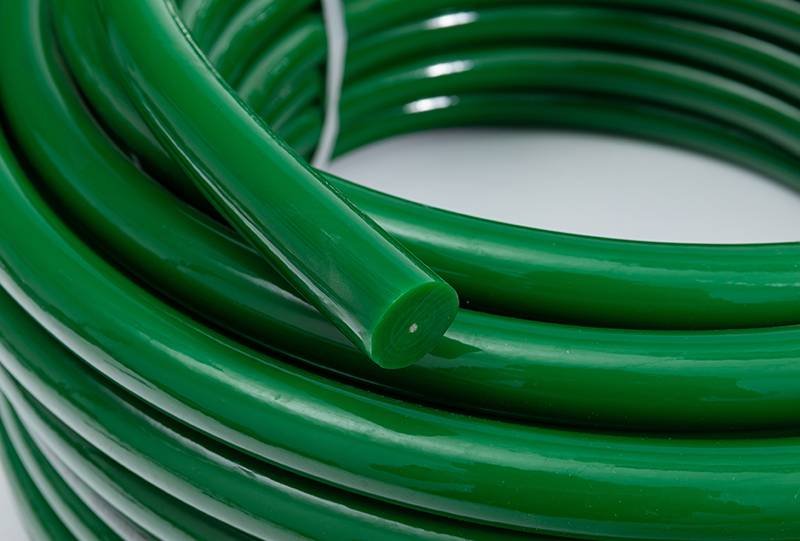
Have you ever wondered about the different material options you could potentially consider for your next project? In many cases, finding a material that works well for you can seem like a challenge, especially if you have very specific requirements. However, there are countless options out there that might fit your needs, and thermoplastic polyurethane is just one such example. But what is thermoplastic polyurethane, and how does it differ from regular polyurethane? Could this be the right choice of material for your project? We’ve outlined some of the main things you need to know in this regard to help! What is Thermoplastic Polyurethane? Thermoplastic polyurethane, as the name would indicate, is a specialist type of polyurethane. It is commonly just referred to as “thermoplastic” in some networks. However, it is still a type of polyurethane material, meaning that it provides many of the great properties that manufacturers and businesses have come to expect. Thermoplastic polyurethanes are made through chemical reactions between materials such as polyether or polyester. The material does not contain cross-linkages, which helps provide its many different properties. How Does Thermoplastic Polyurethane Differ From Regular Polyurethane? Compared to regular urethane materials, thermoplastic polyurethane is generally considered to ...
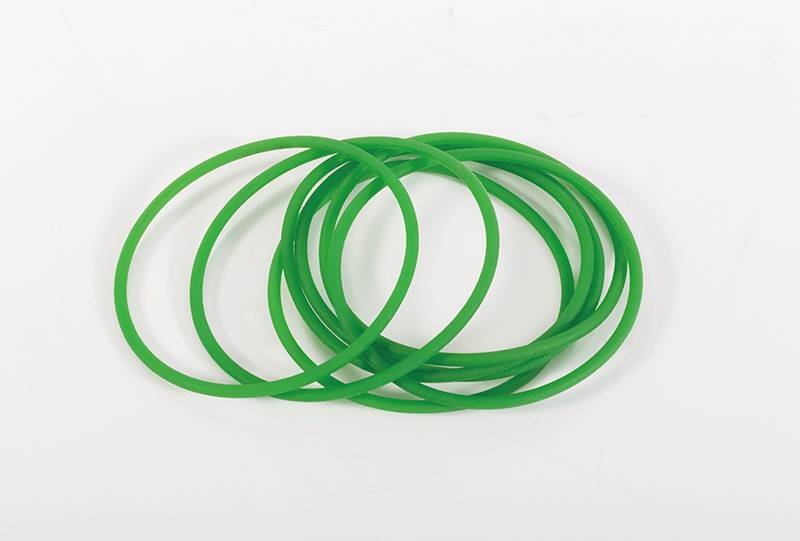
When it comes to manufacturing, understanding a material’s different features and applications can be incredibly important in determining whether or not a product is right for your needs. In line with this thought, today, we’re looking at some of the most common applications and uses for thermoplastic polyurethane materials. Hopefully, this will help you find the ideal options for your own manufacturing efforts, as well. What are Thermoplastic Polyurethanes? Before we look further, we first need to start by looking into what thermoplastic polyurethane materials actually are. Thermoplastic polyurethanes, or TPUs, are a specialist type of block polymer made from polycaprolactones, polyester, or polyether (depending on the manufacturer’s preferences). These materials are often considered very similar to regular polyurethanes, which are made from polyols and isocyanates. They also boast similar properties to both rubber and plastic, despite falling into neither category. Due to the unique manufacturing method, TPUs do not have cross-links in their chemical structure, which differs significantly from regular PUs. They can also be melted down as required to help make manufacturing easier. What are TPUs Used For in Modern Manufacturing Applications? There are countless ways for brands to use TPUs; defining all of these in a ...
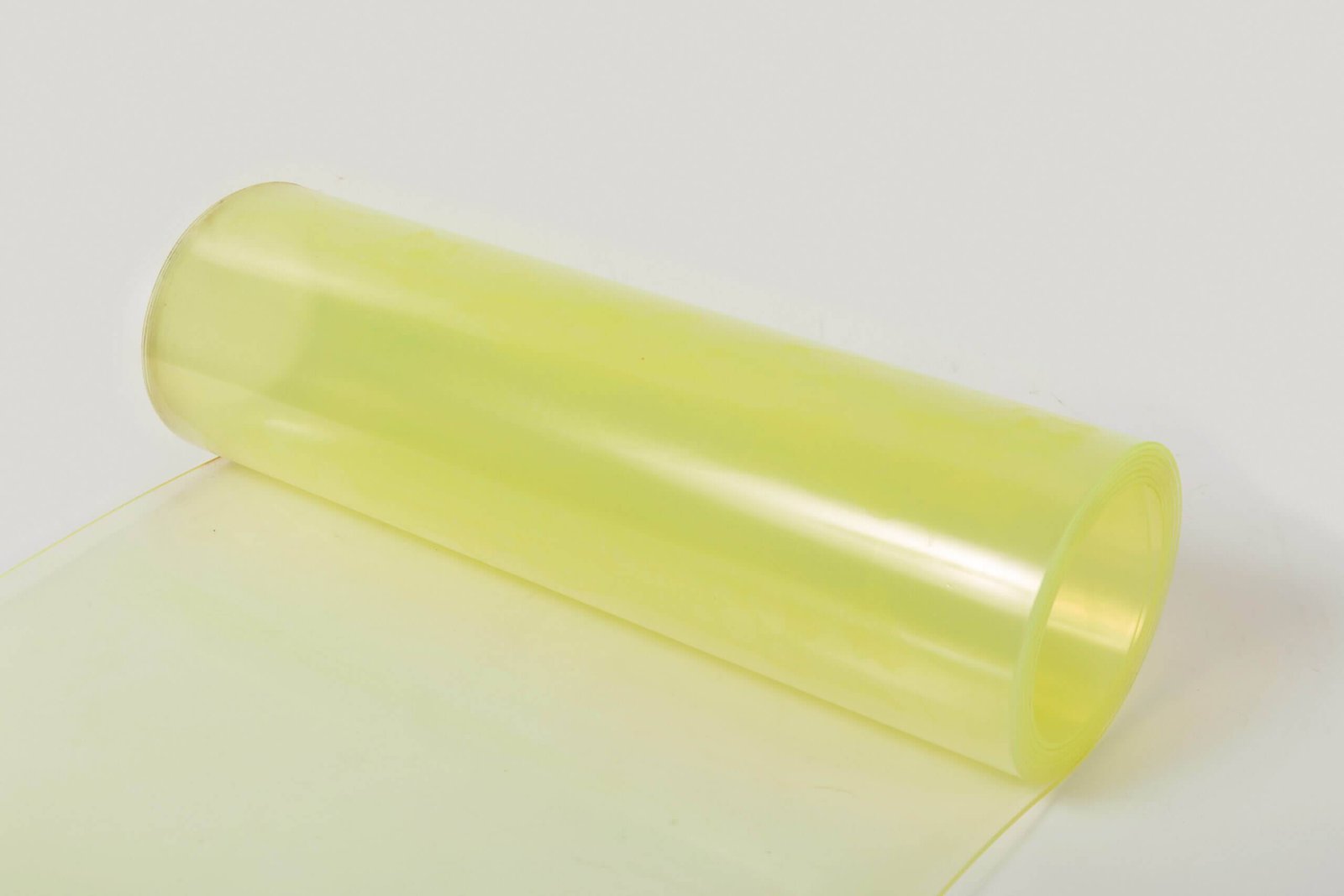
If you have been looking to invest in a PU sheet, it’s highly important to start by considering the different properties of PU sheeting and how these might influence your choice of the ideal material. In line with this, today, we’re looking at some of the key things you need to know about PU sheeting to help you find out more and make the right decisions for your own needs. What is the Standard Thickness of a PU Sheet? Before we go any further, it’s first important to look at the standard thickness of a PU sheet. While this will vary depending on factors such as the budget of a brand and the particular application being needed, the standard thickness of polyurethane sheeting is most often several mm, although the available thicknesses can vary massively. For example, you may get polyurethane sheeting that’s just one mm thick; contrastingly, if you need a more durable option, it’s often possible to get sheets closer to a cm thick. Depending on your requirements, it’s potentially worth discussing this with your PU sheeting provider to see which option might be best suited to your needs. How Does PU Sheet Thickness Impact its Properties? The thickness ...
Quick Answer The hardness of polyurethane (PU) sheets determines their flexibility, abrasion resistance, load-bearing capacity, and overall performance. Softer sheets (Shore A) are ideal for cushioning, sealing, and vibration absorption, while harder sheets (Shore D) are better for structural, high-load, or wear-resistant applications. 1. What Is PU Sheet Hardness? PU sheet hardness is measured using the Shore hardness scale, which indicates a material’s resistance to indentation. The higher the Shore value, the harder and less flexible the material. Understanding hardness helps you select a sheet that performs optimally in your specific environment. 2. Shore A vs Shore D: Key Differences Property Shore A Shore D Typical Hardness Range 20A – 95A 50D – 80D Material Type Soft, flexible, elastic Hard, rigid, load-bearing Applications Seals, gaskets, flexible liners, cushioning Structural parts, wear strips, wheels, heavy-duty pads Flexibility High Low to medium Abrasion Resistance Good Excellent Indentation Tool Rounded tip Pointed tip Example: 3. PU Sheet Hardness Range PU sheets are highly customizable. Your choice depends on the balance you need between flexibility and durability: Selecting the right range ensures optimal performance and longer service life. 4. Why Hardness Matters Hardness affects: Choosing incorrectly can result in premature wear, product failure, or ...
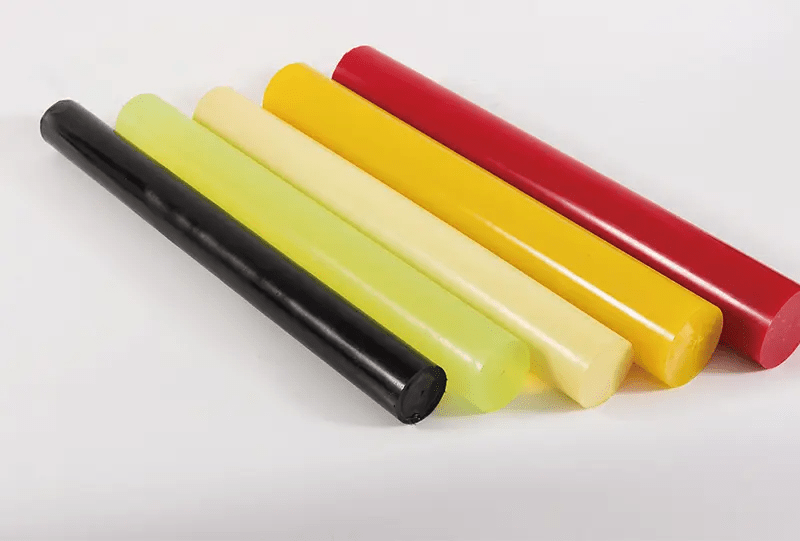
Polyurethane is a hugely versatile material and shares many characteristics with natural rubber – so much so that many people assume it is a type of rubber! However, while there are similarities between polyurethane and rubber, there are also many differences – and our experts have outlined some of the key things you should know in this regard to help. After all, knowing about the main differences can help inform your decision, and we’ve outlined some of the main things you should know to help. But if you still have any further questions, please don’t hesitate to contact us, and we’ll do our best to help! Quick Comparison: Polyurethane vs Rubber Polyurethane and rubber are both elastomeric materials, but polyurethane offers superior abrasion resistance, higher load-bearing capacity, and better chemical stability. Rubber, on the other hand, provides excellent natural elasticity and cost efficiency in many general-purpose applications. What is Polyurethane? Before we go any further, it’s first worth considering what polyurethane actually is. At its simplest, polyurethane is a type of polymer that’s widely used in many modern applications. The material is widely considered a type of plastic, but in reality, it’s technically not; similarly, some people assume that it ...

When comparing TPU vs PVC, many manufacturers ask the same question: Is TPU better than PVC for my application? The short answer is: However, the right choice depends on performance requirements, environment, lifespan expectations, and budget. This guide provides a structured comparison to help you make the correct decision. What Is TPU? TPU (Thermoplastic Polyurethane) is a highly versatile elastomer that combines the properties of rubber and plastic. It is known for: Because TPU is thermoplastic, it can be melted and reprocessed, making it suitable for injection molding, extrusion, and industrial belt production. Common TPU applications include: What Is PVC? PVC (Polyvinyl Chloride) is one of the most widely used synthetic polymers in the world. It is produced from vinyl chloride monomers and can be manufactured in rigid or flexible forms. PVC is valued for: Common PVC applications include: TPU vs PVC: Side-by-Side Comparison Below is a structured comparison of key performance factors: Property TPU PVC Flexibility Excellent Low to Moderate Elasticity Very High (300–600% elongation possible) Limited Abrasion Resistance Excellent Moderate Tear Strength High Lower Temperature Range Wide Narrower Oil & Grease Resistance Good Moderate Environmental Impact Halogen-free, recyclable Contains chlorine Cost Higher Lower Durability Long service life Moderate ...
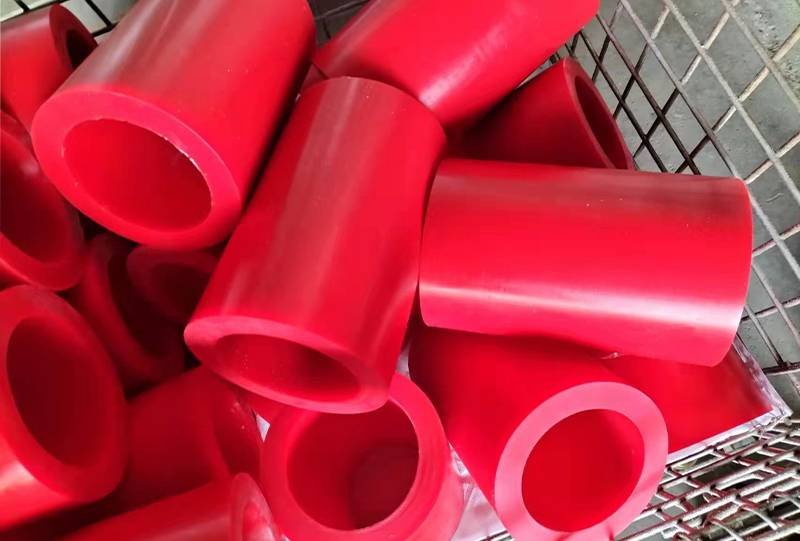
Have you ever wondered about whether polyurethane is a type of plastic or rubber? In many cases, this isn’t necessarily easy to work out just by considering the properties of polyurethane alone since it seems like it could fit into both categories. In line with this, today, our experts are looking at some of the key things you need to know about whether polyurethane is a type of plastic or rubber to help inform your decision. What is Polyurethane? First of all, we need to look at what polyurethane actually is. Polyurethane is a type of polymer that is made from multiple organic molecules joined through urethane links. This allows polyurethane to offer numerous excellent properties, such as being incredibly strong and durable. In turn, polyurethane materials are commonly used in various applications, such as clothing, adhesive materials, etc. Is Polyurethane a Type of Plastic or Rubber? Due to its highly versatile range of properties, it’s perhaps unsurprising that people often struggle to work out whether polyurethane is a type of plastic or rubber. However, in reality, polyurethane doesn’t actually fit comfortably into either category! So, no, it’s neither a type of rubber nor a type of plastic; in fact, ...
When it comes to polymer materials, looking for a solution that offers a myriad of great benefits while remaining flexible can sometimes seem a little tricky. However, this shouldn’t have to be the case, and plenty of brilliant materials on the market can simultaneously deliver exceptional strength and flexibility. But how does polyurethane sheeting perform in this regard? Well, our experts have outlined some of the core things you need to know about polyurethane sheeting as follows to help inform your decision! Is Polyurethane Sheeting Flexible? Polyurethane sheeting is an incredibly valuable material that’s increasingly used for many different applications – and just one of the features that makes this possible is its flexibility. Indeed, while every sheet will differ depending on the requirements of the manufacturer and customer, most PU sheeting will demonstrate an impressive level of overall flexibility. However, it’s worth noting here that not all PU sheets are flexible, and while most have the potential to be, some are designed instead to be completely rigid. Thus, you should always check this with your chosen supplier before investing in the PU sheet. What Influences the Flexibility of PU Sheets? Numerous factors can potentially influence the flexibility of PU ...
Polyurethane Advantages and Properties
Polyurethane (PU) is a versatile material with a wide range of applications. In its simplest form, it is a polymer formed by reacting isocyanates and polyols. This creates a durable and flexible material. ...

