


In modern industrial and logistics operations, the choice of equipment components can significantly impact efficiency, safety, and maintenance costs. Among these components, polyurethane wheels have emerged as a preferred solution for a wide range of applications. Their unique combination of durability, flexibility, and chemical resistance makes them ideal for environments where traditional rubber or metal wheels may fall short. This article explores polyurethane wheels, highlighting their key features, advantages, and industrial applications, helping businesses make informed decisions when selecting the right wheels for their equipment. Understanding Polyurethane Wheels Polyurethane wheels are made from high-performance polyurethane (PU) material, which offers a unique balance between the elasticity of rubber and the rigidity of plastic. Unlike standard rubber wheels, PU wheels provide superior wear resistance and load-bearing capacity. Compared to metal wheels, they reduce noise and vibration while offering a smoother ride. Understanding polyurethane wheels is essential for industries seeking reliable, long-lasting wheel solutions that maintain performance under heavy use and harsh conditions. Key Features of Polyurethane Wheels PU Wheel Selection Guide – How to Choose the Right Type for Your Application Choosing the right polyurethane wheel is crucial for performance and safety. Consider the following factors: Why It Matters: Selecting the correct ...
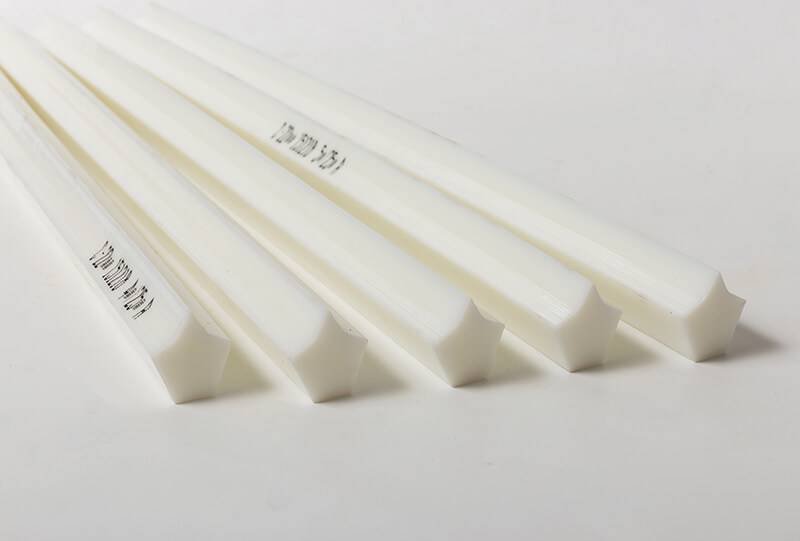
When considering materials for industrial, automotive, or engineering projects, one question often arises: what is thermoplastic polyurethane (TPU) and why is it so widely used? TPU is a versatile polymer that combines the processing ease of plastics with the elasticity of rubber. Its unique properties make it ideal for applications requiring durability, flexibility, and chemical resistance. Choosing the right type of TPU is crucial to ensure optimal performance, long-term reliability, and cost-effectiveness. In this article, we will explain what is thermoplastic polyurethane, explore its key properties, and provide practical guidance on choosing the right TPU for your specific project needs. Understanding Thermoplastic Polyurethane (TPU) What is thermoplastic polyurethane? TPU is a high-performance polymer made from segmented block copolymers. Its thermoplastic nature allows it to be melted, molded, and reshaped multiple times without losing physical properties. This capability enables manufacturers to create custom components efficiently. TPU combines the strength and rigidity of plastic with the elasticity of rubber. Unlike traditional materials such as PVC, rubber, or standard plastics, TPU provides superior abrasion resistance, chemical stability, and long-term durability under mechanical stress. Understanding what is thermoplastic polyurethane helps engineers and product designers select the most suitable material for high-performance applications. Key Factors ...
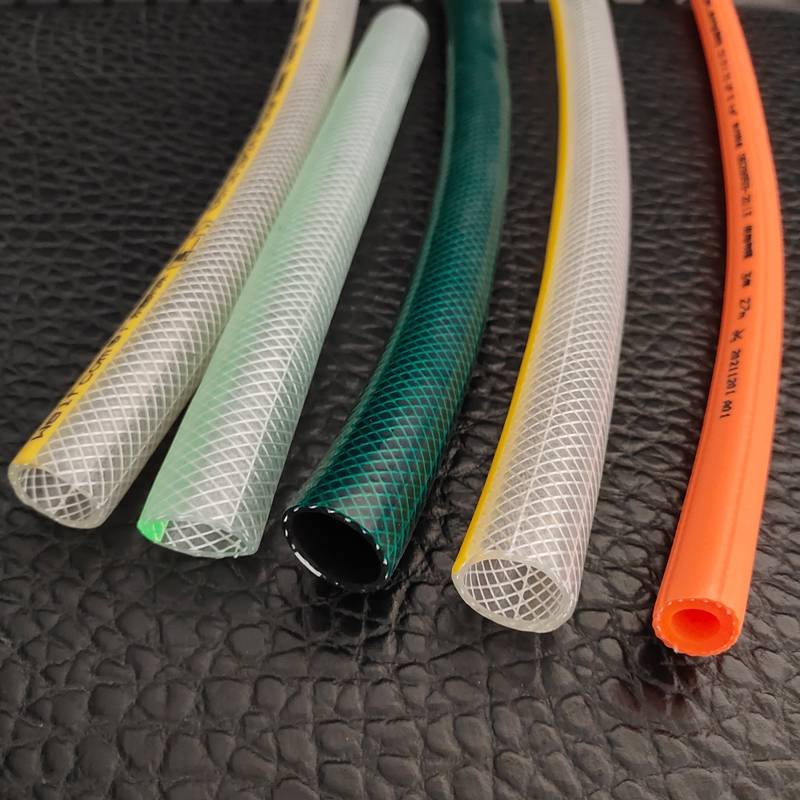
Polyurethane tubing, also known as PU tubing or PUR tubing, is one of the most versatile flexible tubing materials used across pneumatic systems, automation equipment, robotics, medical devices, and industrial machinery. Engineers choose polyurethane tubing for its excellent flexibility, high abrasion resistance, strong tensile strength, and reliable pressure performance. However, selecting the right type and understanding its limitations are critical for long-term system stability. This complete guide covers material types, specifications, applications, performance advantages, common failure causes, and professional selection advice. What Is Polyurethane Tubing? Polyurethane tubing is a thermoplastic elastomer-based flexible tube manufactured from either ester-based or ether-based polyurethane compounds. It combines: Compared with PVC or nylon tubing, polyurethane tubing offers greater flexibility while maintaining structural integrity under dynamic conditions. Types of PU / PUR Tubing Understanding material type is essential for global applications. 1️⃣ Ester-Based Polyurethane Tubing 2️⃣ Ether-Based Polyurethane Tubing In European markets, PUR tubing often refers to the same material class, but specifications may vary based on formulation. Key Technical Specifications of Polyurethane Tubing When evaluating polyurethane tubing, engineers typically assess: Shore Hardness Common range: 70A–98AHigher hardness = stronger pressure resistanceLower hardness = better flexibility Working Pressure & Burst Pressure Pressure rating depends on wall thickness ...

In modern industrial and manufacturing applications, polyurethane sheeting plays a crucial role in providing durability, impact resistance, and flexibility for a wide range of components. Choosing the right polyurethane sheet is essential, as the material’s thickness, hardness, and chemical resistance directly impact the performance and lifespan of equipment. Selecting the ideal PU sheeting ensures reliable operation, reduces maintenance costs, and improves overall efficiency. This guide will help you understand the key factors to consider when selecting polyurethane sheeting for your project, ensuring optimal results in industrial and engineering applications. Understanding Polyurethane Sheeting Polyurethane sheeting is made from high-quality polyurethane plastic, combining the resilience of rubber with the strength of plastics. Its key characteristics include excellent wear resistance, high impact tolerance, chemical resistance, and flexibility. Different types of PU sheeting are available to meet specific industrial requirements: Understanding these properties is essential, as the correct type of PU sheeting ensures reliable performance under varying operational conditions. Factors to Consider When Choosing Polyurethane Sheeting Applications and Matching Requirements Polyurethane sheeting is highly versatile and used in numerous industrial sectors: By matching the PU sheet properties to specific applications, industries can optimize performance and minimize maintenance needs. Comparison with Other Materials When selecting ...
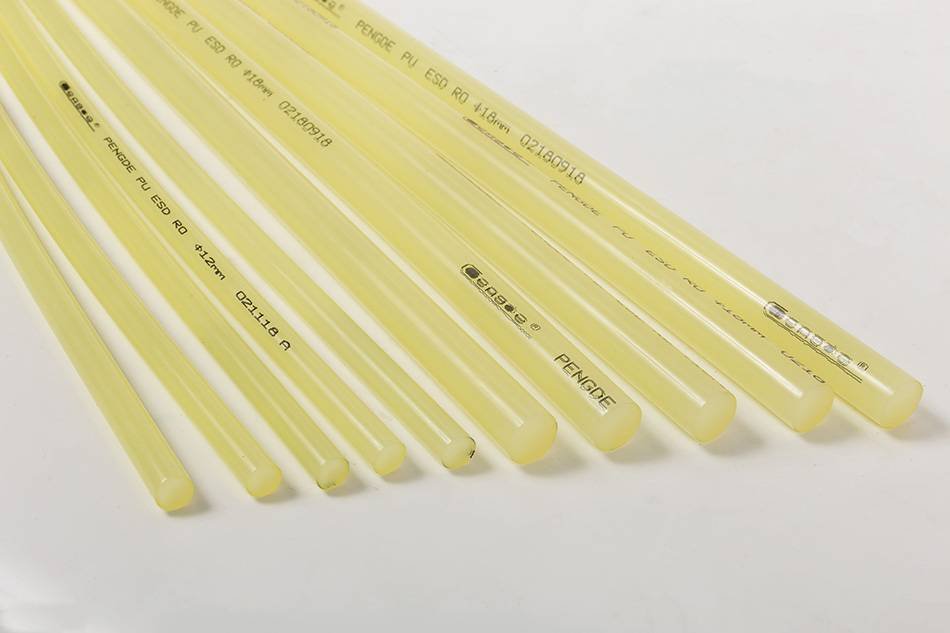
Polyurethane materials have become an essential part of modern manufacturing, widely used in industries ranging from construction and automotive to ceramics and sports equipment. Among the many variations of polyurethane, thermoplastic polyurethane (TPU) stands out as one of the most versatile and high-performance options. But how does TPU compare to other PU materials? And more importantly, how can you decide which one best suits your needs? This article will explore the key features of thermoplastic polyurethane, compare it with other polyurethane types, and guide you in making the right choice for your business. Is Polyurethane a Thermoplastic? Polyurethane can be either a thermoplastic or a thermoset material, depending on its chemical structure. Thermoplastic polyurethane (TPU) softens when heated and can be reshaped multiple times.Thermoset polyurethane, once cured, cannot be remelted or reshaped. Therefore, not all polyurethane is thermoplastic — only specific types such as TPU belong to the thermoplastic category. What is Thermoplastic Polyurethane (TPU)? Thermoplastic polyurethane (TPU) is a flexible, durable, and recyclable polymer that combines the advantages of both rubber and plastic. Known for its outstanding elasticity and abrasion resistance, TPU is widely used in applications that require toughness and longevity. Key properties of TPU include: Industries that ...
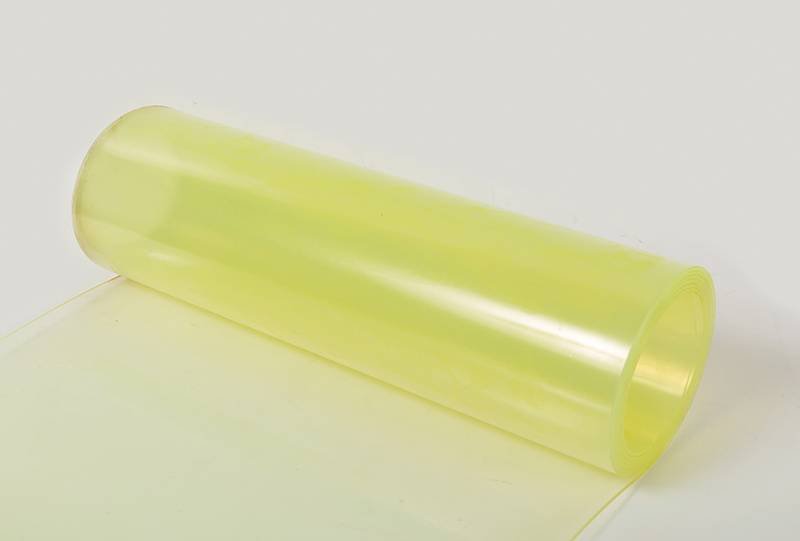
In industries where equipment is subjected to constant abrasion, impact, and friction, material durability is non-negotiable. This is where polyurethane rubber sheets outperform traditional materials like natural rubber, nitrile, and even some metals. At PENGDE NEW MATERIAL TECHNOLOGY CO., LTD, we specialize in the production of premium polyurethane rubber sheets engineered to withstand demanding environments. Here’s why polyurethane rubber has become the material of choice for high-wear applications in 2025. What Makes Polyurethane Ideal for Wear-Intensive Environments? Polyurethane (PU) combines the flexibility of rubber with the toughness of plastic. This unique structure provides: These characteristics make PU rubber sheets highly reliable in operations where material failure can lead to costly downtime. Common High-Wear Applications 1. Conveyor Belt Liners PU sheets are used to line chutes and hoppers in material handling systems. They absorb impact from falling materials while resisting constant friction. 2. Mining and Aggregate Industries In mines and quarries, PU sheets are used in screen decks, liners, and pads where rock, sand, and gravel create intense abrasion. 3. Scraper Blades and Squeegees Polyurethane squeegee blades last longer and maintain a sharp edge under continuous use, especially in printing, food processing, and snow removal equipment. 4. Rollers and Wheels PU ...
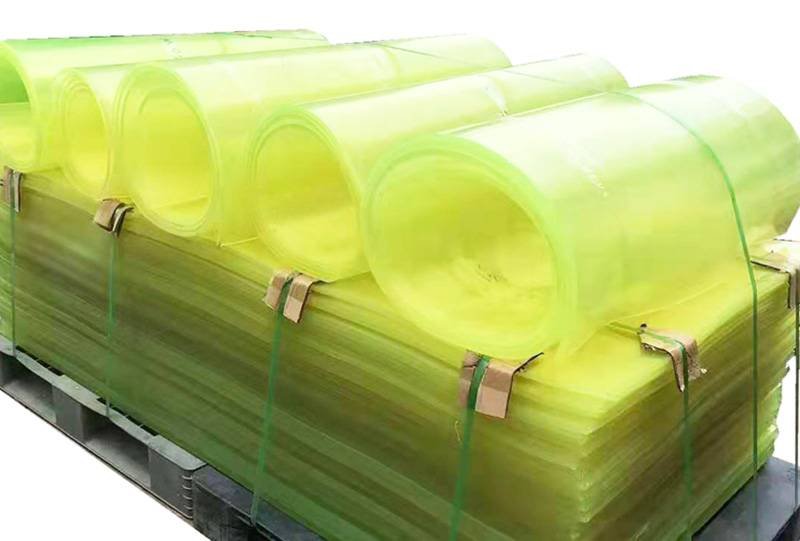
Choosing the right polyurethane sheet is essential for achieving optimal performance in industrial applications. With its superior wear resistance, load-bearing capacity, and chemical resilience, polyurethane (PU) is a preferred material across industries such as mining, construction, logistics, automotive, and manufacturing. However, not all polyurethane sheets are created equal. At PENGDE PU, we specialize in manufacturing high-quality polyurethane sheets tailored to meet various industrial demands. In this guide, we’ll walk you through the key factors to consider when selecting the ideal PU sheet for your application. 1. Understand the Application Requirements Before selecting a polyurethane sheet, clearly define the operating conditions and performance expectations. Ask yourself the following: Understanding these factors will help you determine the physical and mechanical properties needed for your specific application. 2. Choose the Right Hardness (Shore A) Polyurethane sheets are available in a wide range of hardness levels, typically measured on the Shore A scale: Shore A Hardness Flexibility Typical Use Cases 40–60A Very soft/flexible Gaskets, cushioning, seals 65–80A Semi-rigid Scrapers, liners, bumpers 85–95A Rigid/high strength Rollers, pads, machine parts If you are unsure which hardness to choose, our engineering team at PENGDE PU can recommend a suitable grade based on your specific operating conditions. 3. ...
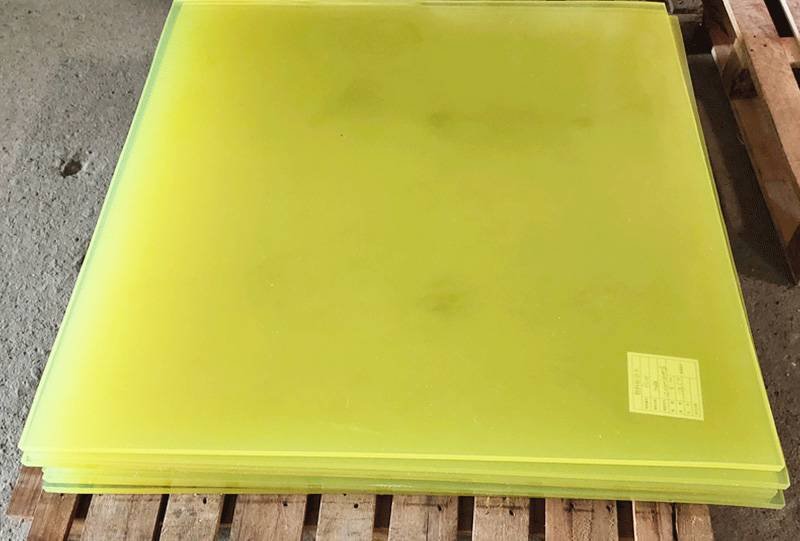
Selecting the appropriate material for industrial or commercial use is critical to product performance, longevity, and cost-efficiency. Among elastomeric materials, polyurethane sheets and rubber sheets are two of the most widely used. While both are flexible and durable, they differ significantly in their mechanical and chemical properties. In general, polyurethane sheets are better for high-wear and heavy-load applications, while rubber sheets are more suitable for sealing, cushioning, and cost-sensitive uses. The right choice depends on your operating environment and performance requirements. At PENGDE NEW MATERIAL TECHNOLOGY CO., LTD, we manufacture and supply high-quality polyurethane rubber sheets engineered for demanding environments. This article compares polyurethane and rubber sheets to help you make an informed decision based on your specific needs. Understanding the Materials Polyurethane SheetsPolyurethane (PU) is a synthetic elastomer that offers excellent abrasion resistance, high load capacity, and strong chemical tolerance. It combines the resilience of rubber with the toughness of plastic, making it highly suitable for heavy-duty industrial applications. Rubber SheetsRubber sheets can be made from various materials, including natural rubber, EPDM, neoprene, and nitrile. These sheets are flexible, cost-effective, and widely used for general sealing, insulation, and cushioning purposes. However, their mechanical and chemical resistance varies based on ...
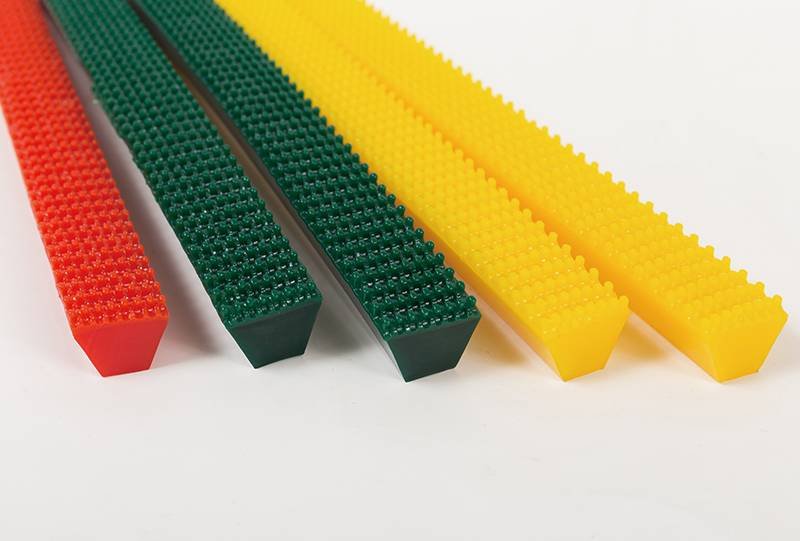
Choosing the right TPU (Thermoplastic Polyurethane) belt for your industry is crucial for ensuring optimal performance, durability, and cost-effectiveness. TPU belts are used across a wide range of industries, from manufacturing and logistics to food processing and medical applications. Each industry has specific requirements based on factors like load capacity, temperature resistance, and flexibility. In this guide, we will explore the key factors to consider when selecting the right TPU belt for your industry. 1. Understand the Specific Requirements of Your Industry Consider the Nature of the Application The first step in choosing the right TPU belt is to understand the specific needs of your application. For example: Evaluate Environmental Conditions Consider the conditions in which the TPU belt will operate: 2. Select the Correct Belt Type and Profile Flat or Curved Belts Consider whether you need a flat or curved belt for your system. Flat TPU belts are ideal for most straight conveyor systems, while curved TPU belts are suitable for systems that require flexibility to navigate turns or tight spaces. Special Profiles for Specific Applications Some industries require TPU belts with specific profiles, such as: 3. Assess Durability and Performance Wear and Tear Resistance TPU belts are known ...
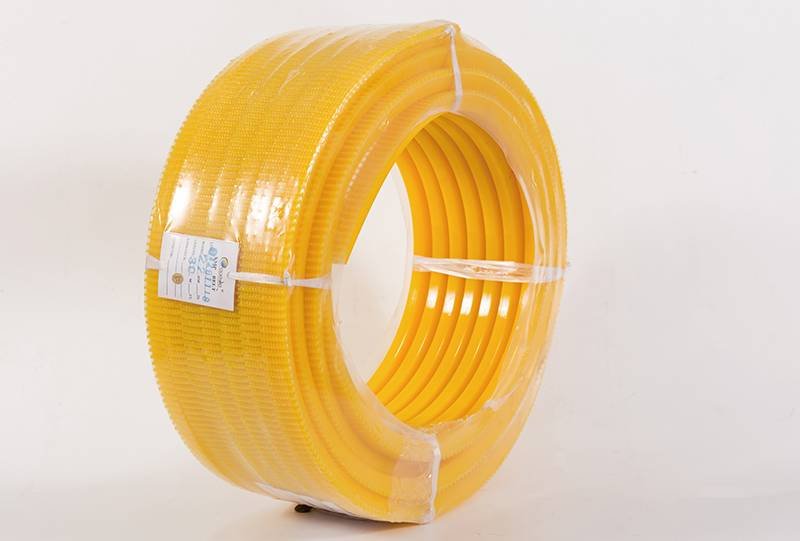
When choosing a conveyor belt for industrial applications, cost-effectiveness is a key factor. While initial investment costs for thermoplastic polyurethane (TPU) belts may be higher than other materials such as PVC or rubber, the long-term benefits of using TPU belts far outweigh the initial price. TPU belts offer excellent durability, efficiency, and low maintenance, resulting in significant cost savings over their lifespan. In this article, we explore the cost-effectiveness of TPU belts and how they can contribute to lower overall operating costs. Key Factors Contributing to TPU Belt Cost-Effectiveness 1. Long Lifespan and Durability One of the primary benefits of TPU belts is their remarkable durability. TPU is highly resistant to wear, abrasion, chemicals, and extreme temperatures, which means TPU belts last longer than traditional belts made from rubber or PVC. 2. Low Maintenance Costs TPU belts require minimal maintenance, which leads to fewer repair costs and less downtime. 3. Energy Efficiency TPU belts are lightweight, which means they require less energy to operate compared to heavier rubber or PVC belts. Their low friction properties contribute to energy savings by reducing the strain on motors and machinery. 4. Reduced Downtime Due to their durability and reliability, TPU belts significantly reduce ...
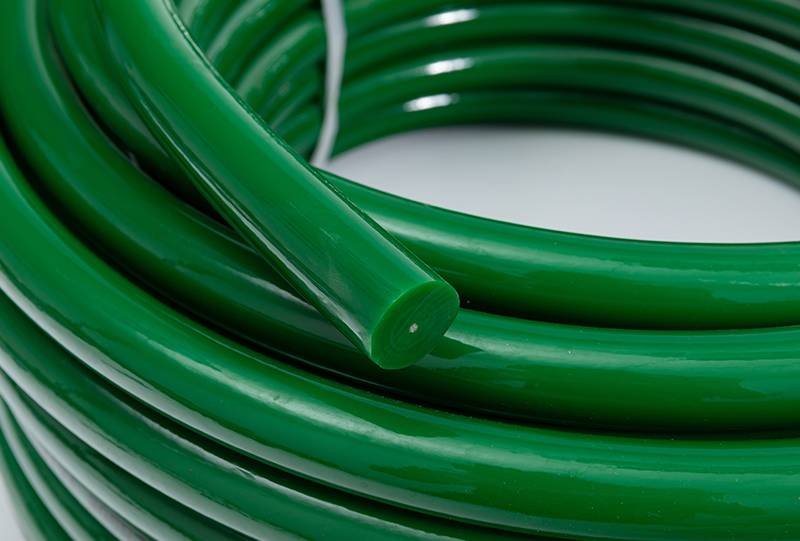
Thermoplastic Polyurethane (TPU) belts are widely used in various industries due to their durability, flexibility, and resistance to wear and chemicals. However, proper maintenance is essential to ensure their longevity and efficiency. Regular upkeep not only extends the lifespan of TPU belts but also improves conveyor performance, reduces downtime, and lowers operational costs. In this article, we explore the best practices for maintaining TPU belts to maximize their performance. Best Practices for TPU Belt Maintenance 1. Regular Cleaning Dirt, dust, and residue buildup can affect the performance of TPU belts. Regular cleaning helps prevent contamination, reduces friction, and maintains smooth operation. 2. Proper Tensioning Incorrect belt tension can lead to premature wear, slippage, or excessive strain on the conveyor system. 3. Regular Inspection for Wear and Damage Routine inspections help detect potential issues before they lead to belt failure. 4. Ensure Proper Tracking Belt misalignment can cause uneven wear, energy inefficiency, and system breakdowns. 5. Avoid Overloading Exceeding the belt’s load capacity can lead to stretching, tearing, or breakdowns. 6. Store Belts Correctly When Not in Use Improper storage can affect belt quality and lifespan. Conclusion Implementing these best practices can significantly extend the lifespan and efficiency of TPU belts, ...
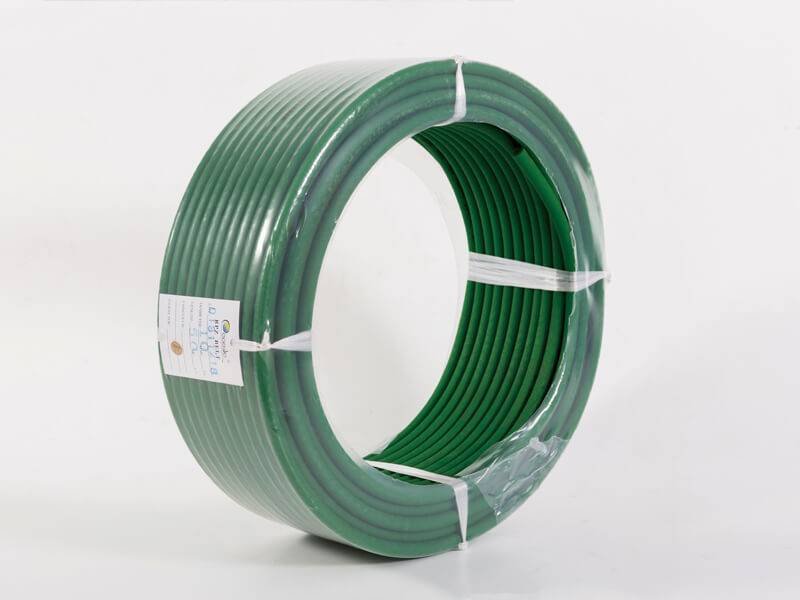
In the fast-evolving world of packaging automation, efficiency, durability, and hygiene are critical factors that determine the success of a production line. TPU (Thermoplastic Polyurethane) belts have emerged as a game-changing solution, offering superior performance compared to traditional PVC and rubber belts. Their high wear resistance, flexibility, and compliance with food safety standards make TPU belts the ideal choice for modern automated packaging systems. Enhanced Durability for Continuous Operation One of the key advantages of TPU belts is their exceptional durability. Unlike traditional rubber belts that wear out quickly under high-speed operations, TPU belts have a higher resistance to abrasion, cuts, and chemicals. This means less frequent replacements and lower maintenance costs, allowing packaging lines to operate with minimal interruptions. Improved Efficiency in High-Speed Packaging Modern packaging automation requires conveyor belts that can handle fast movement and precise positioning. TPU belts offer low friction and high flexibility, reducing energy consumption while ensuring smooth product flow. Their lightweight structure puts less strain on conveyor motors, improving overall efficiency and reducing power usage. Hygiene and Compliance with Food Safety Standards For industries such as food, pharmaceuticals, and cosmetics, maintaining hygiene is a top priority. TPU belts are non-toxic, resistant to microbial growth, ...
As industries strive for sustainability, the choice of conveyor belt materials plays a significant role in reducing environmental impact. Traditional materials like PVC and rubber have long been used, but they come with drawbacks such as high energy consumption, pollution, and limited recyclability. TPU (Thermoplastic Polyurethane) belts, on the other hand, offer a more eco-friendly solution. With their longer lifespan, energy efficiency, and recyclability, TPU belts are emerging as the greener option for industrial applications. Reduced Waste and Longer Lifespan One of the biggest environmental advantages of TPU belts is their durability. Compared to PVC and rubber, TPU belts have a higher resistance to wear, abrasion, and tearing, which means they need to be replaced less frequently. Fewer replacements result in less industrial waste, lowering the overall environmental footprint. Energy Efficiency in Conveyor Systems TPU belts are lighter and more flexible than traditional rubber belts, reducing the strain on conveyor motors. This leads to lower energy consumption and improved efficiency in automated systems. For industries aiming to reduce carbon emissions, switching to TPU belts can contribute to significant energy savings over time. Non-Toxic and Safe for Various Industries Unlike PVC, which contains harmful plasticizers and chlorine, TPU is free from ...
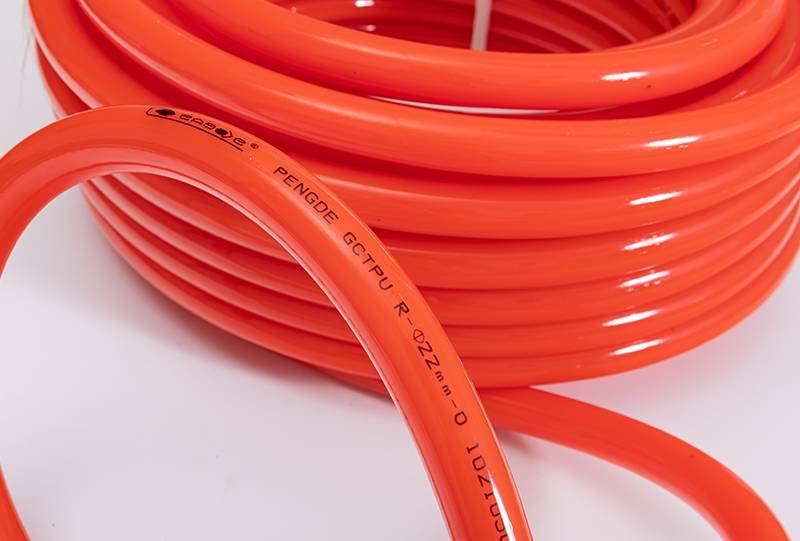
In industrial and commercial conveyor systems, choosing the right belt material is crucial for efficiency, durability, and cost-effectiveness. Traditionally, PVC belts and rubber belts have been the go-to options for various industries. However, TPU (Thermoplastic Polyurethane) belts are emerging as the superior choice, offering higher durability, flexibility, and hygiene standards. With industries such as food processing, packaging, logistics, and manufacturing demanding longer-lasting, more efficient solutions, TPU belts are proving to be the future of conveyor technology. In this article, we will compare TPU vs. PVC vs. rubber belts and explore why TPU is the better long-term investment. 1. What Are TPU, PVC, and Rubber Belts? Before diving into comparisons, let’s define the three types of conveyor belts: 2. TPU vs. PVC vs. Rubber: A Feature-by-Feature Comparison Durability and Wear Resistance Hygiene and Cleanability Flexibility and Energy Efficiency Chemical and Oil Resistance Temperature Resistance Limitations of TPU Belts While TPU conveyor belts offer many advantages, they are not without limitations in certain conditions: Cost Efficiency TPU Belt Total Cost of Ownership (TCO) Understanding cost is more than looking at upfront pricing — total cost of ownership includes maintenance, energy use, downtime, and replacement frequency. While PVC and rubber belts may be ...
In today’s fast-paced industrial landscape, the demand for customized solutions is growing. TPU (Thermoplastic Polyurethane) belts are no exception, offering a versatile and durable option for industries with specific performance needs. Unlike traditional conveyor belts, custom TPU belts can be tailored to meet the unique challenges faced by various industries, ensuring optimized efficiency, extended lifespan, and enhanced safety. Whether it’s food processing, automotive manufacturing, or packaging, custom TPU belts provide industry-specific advantages that help companies streamline operations and reduce costs. In this article, we will explore the various industries that benefit from custom TPU belt solutions and highlight their key applications and advantages. What Are Custom TPU Belts? Custom TPU belts are made from thermoplastic polyurethane, a material known for its exceptional durability, flexibility, and chemical resistance. These belts are used in a wide range of applications, where standard conveyor belts may fall short. By customizing the width, thickness, surface texture, and composition, TPU belts can be engineered to meet the specific needs of different industries. Advantages of Custom TPU Belts 1. Tailored Performance for Unique Requirements One of the main advantages of custom TPU belts is the ability to tailor them to suit the specific operational conditions of an ...

In industrial applications, conveyor systems play a pivotal role in streamlining operations, reducing manual labor, and ensuring the smooth movement of materials. One of the most critical components of these systems is the conveyor belt. Over the years, TPU (Thermoplastic Polyurethane) belts have become a preferred choice for industries seeking enhanced durability, flexibility, and cost-effectiveness. At PENGDE NEW MATERIAL TECHNOLOGY CO., LTD, we provide high-quality TPU belts that can significantly improve the efficiency of your conveyor systems. In this article, we’ll explore how TPU belts contribute to better performance, reliability, and productivity in conveyor operations. What Are TPU Belts? TPU belts are conveyor belts made from thermoplastic polyurethane, a highly versatile material known for its strength, flexibility, and wear resistance. Unlike traditional conveyor belts made from rubber or PVC, TPU belts offer superior resistance to harsh conditions such as high temperatures, abrasion, and exposure to chemicals. These features make TPU belts the go-to solution for demanding environments like automotive assembly lines, food processing, pharmaceutical packaging, and more. Advantages of TPU Belts in Conveyor Systems 1. Enhanced Durability and Longevity One of the key benefits of using TPU belts in conveyor systems is their exceptional durability. Thermoplastic polyurethane is highly resistant ...

