


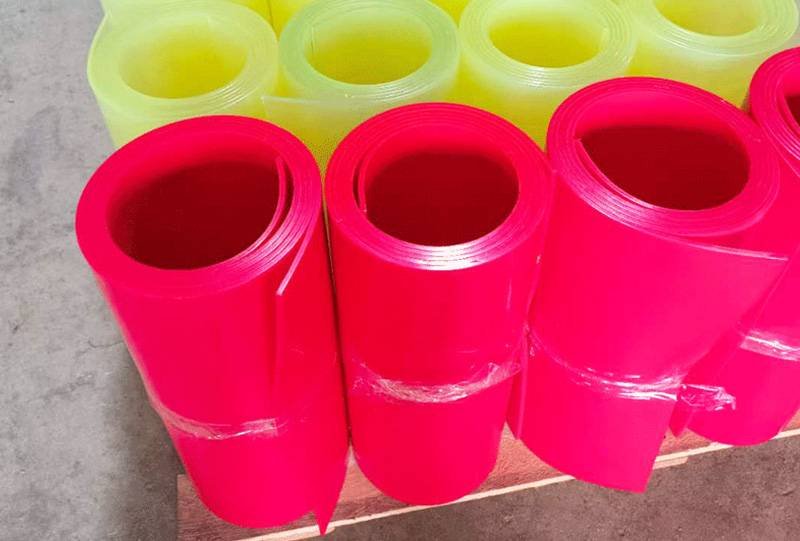
As industries strive for more sustainable practices, the recycling of polyurethane (PU) has become essential in promoting a circular economy. Polyurethane is used extensively in products ranging from flexible foams to rigid coatings and adhesives. However, with millions of tons of PU products discarded annually, finding ways to recycle and repurpose this versatile material is crucial for reducing waste and conserving resources. This article dives into the importance of polyurethane recycling, exploring the methods, benefits, and impact on sustainable manufacturing. The Importance of Polyurethane Recycling Polyurethane offers high durability and versatility, but like many synthetic materials, it poses disposal challenges. Traditional waste management approaches, such as landfilling or incineration, are unsustainable due to environmental impact and limited landfill capacity. Recycling PU helps to minimize waste, reduce reliance on fossil fuels, and lower greenhouse gas emissions associated with the production of new materials. Why It Matters: By recycling polyurethane, manufacturers contribute to a more sustainable future, supporting resource conservation and lowering the environmental footprint of PU products. Methods of Polyurethane Recycling Polyurethane can be recycled through several methods, each suited to specific PU types and applications. Here are the most common recycling methods used to repurpose polyurethane: 1. Mechanical Recycling 2. ...
In industrial environments, machinery durability and efficiency are crucial to maintaining seamless operations and reducing downtime. Polyurethane (PU), a versatile and resilient material, has emerged as a key component in extending equipment life and boosting performance. From abrasion resistance to shock absorption, polyurethane’s unique properties make it an ideal choice for a variety of industrial applications, such as rollers, belts, and protective linings. This article explores how polyurethane plays a vital role in industrial equipment, providing solutions that enhance both longevity and operational efficiency. 1. Superior Abrasion and Wear Resistance Industrial environments often involve high levels of friction and repetitive movement, which can lead to rapid wear of components. Polyurethane’s exceptional abrasion resistance is one of its standout qualities, making it highly suitable for equipment exposed to heavy use. Why It Matters: By choosing polyurethane parts for high-friction areas, companies can reduce downtime and extend the operational life of machinery, leading to cost savings and improved productivity. 2. Exceptional Shock Absorption Industrial processes often involve equipment that encounters shocks or impacts during operation, such as pressing, molding, or loading. Polyurethane’s inherent flexibility allows it to absorb shocks effectively, preventing damage to the equipment and other components. Why It Matters: By ...

Polyurethane (PU) products have become essential across a variety of industries due to their outstanding durability, flexibility, and resistance to chemicals and abrasions. With applications ranging from industrial machinery components to protective surfaces and conveyor belts, polyurethane products are versatile solutions for demanding environments. However, choosing the right polyurethane product can be challenging due to the wide array of types and specifications available. In this guide, we’ll cover essential considerations for selecting the ideal polyurethane product for your application, including factors such as material type, hardness, flexibility, and chemical resistance. 1. Define the Purpose and Application The first step in selecting a polyurethane product is to clearly identify its purpose and application. Polyurethane products come in various forms, including: Why This Matters: Defining the purpose of the PU product will help narrow down the type and specifications you need, ensuring compatibility with your equipment and operational demands. 2. Choose the Right Hardness Level Polyurethane is available in a range of hardness levels, typically measured on the Shore A or Shore D scales. The hardness level you choose will significantly impact the performance and durability of the product. Why This Matters: The hardness of the polyurethane affects its ability to absorb ...
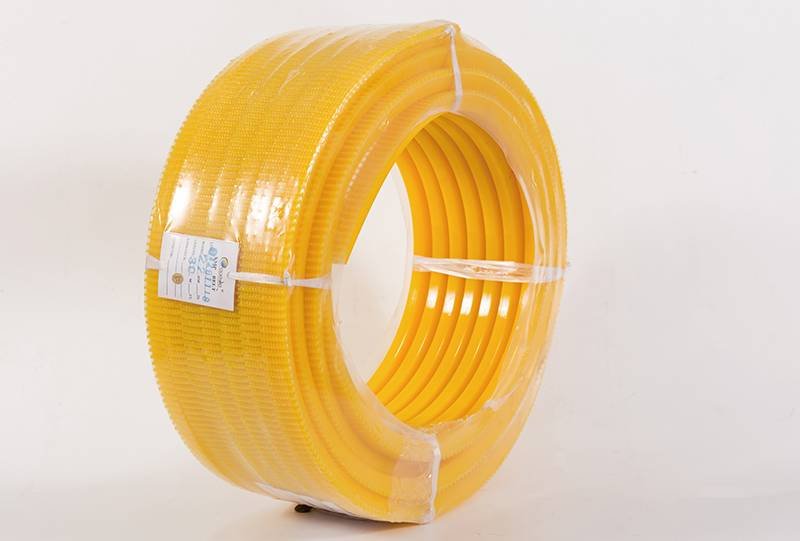
Thermoplastic polyurethane (TPU) belts are gaining recognition as high-performance solutions across various industrial and conveyor applications. Known for their excellent durability, flexibility, and chemical resistance, TPU belts are engineered to handle challenging environments, making them a preferred choice for industries like manufacturing, food processing, logistics, and packaging. In this article, we’ll explore the unique benefits of TPU belts, their applications, and why they’re an ideal investment for companies seeking reliable, long-lasting conveyor solutions. Key Benefits of TPU Belts TPU Belt Applications Across Industries Thanks to their versatile properties, TPU belts are utilized in a variety of applications. Here’s a look at some key industries that benefit from TPU belt technology: Choosing the Right TPU Belt for Your Application When selecting a TPU belt, consider the following factors to ensure optimal performance: Why Pengde Rubber Plastic Co., Ltd. for TPU Belts? At Pengde Rubber Plastic Co., Ltd., we specialize in high-quality TPU belts that meet the rigorous demands of industrial and conveyor applications. Our TPU belts are manufactured with premium-grade materials to ensure maximum durability, flexibility, and resistance to chemicals and abrasions. We provide a range of TPU belt options and can assist you in selecting the ideal specifications for your ...

In demanding industrial environments, material failure leads to downtime, equipment damage, and increased maintenance costs. When abrasion resistance, load-bearing capacity, and durability are critical, polyurethane rubber sheets have become the preferred alternative to traditional rubber materials. This guide explains what polyurethane rubber sheets are, why they outperform conventional rubber in high-wear applications, and how to select the right specification for your industrial needs. What Are Polyurethane Rubber Sheets? Polyurethane rubber sheets, often referred to as PU sheets, are high-performance elastomer sheets manufactured from polyurethane polymers. They combine the elasticity of rubber with the mechanical strength of engineering plastics. Unlike natural rubber, polyurethane offers significantly higher abrasion resistance, tear strength, and chemical stability, making it ideal for harsh operating conditions such as mining, heavy manufacturing, and material handling systems. Typical properties of industrial-grade polyurethane sheets include: These characteristics allow PU sheets to maintain structural integrity even under heavy loads and continuous friction. Polyurethane vs Traditional Rubber: Which Performs Better? Many buyers hesitate between natural rubber sheets and polyurethane sheets. The difference becomes clear when comparing performance in high-abrasion environments. Property Polyurethane Sheet Traditional Rubber Abrasion Resistance Extremely high Moderate Load Capacity Excellent Medium Tear Strength High Moderate Oil Resistance Excellent Limited ...
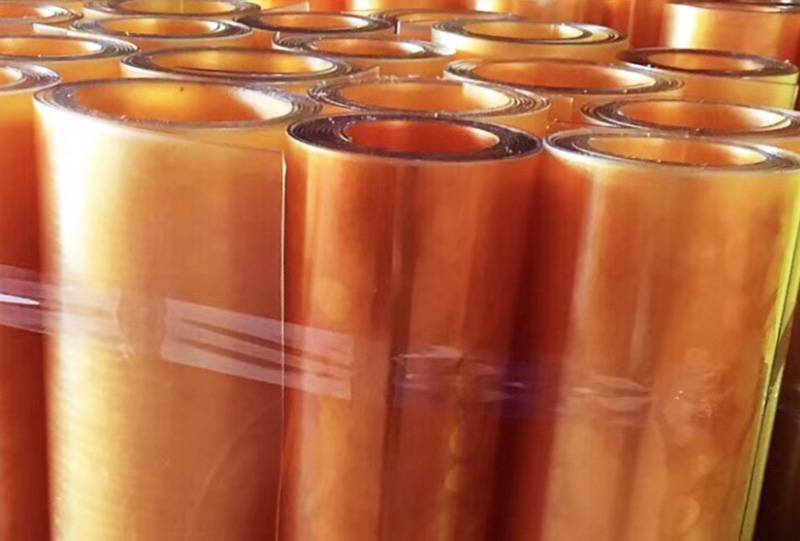
In the world of ceramic tile manufacturing, precision is paramount. From the initial molding process to the final touches, every step must be executed with meticulous accuracy to ensure the highest quality product. One often-overlooked component that plays a crucial role in achieving this precision is the Polyurethane (PU) Sheet. Known for its durability, flexibility, and resistance to wear, PU Sheets have become an essential tool in the finishing stages of ceramic tile production. This article delves into why PU Sheets are indispensable for high-precision ceramic tile finishing and how they contribute to superior tile quality. The Importance of High-Precision Finishing in Tile Production High-precision finishing is a critical phase in ceramic tile production, where the final characteristics of the tile are refined. This stage includes processes such as polishing, cutting, and edge finishing, all of which require exacting standards to ensure that the tiles meet the desired specifications. Even the slightest deviation can result in tiles that do not fit together properly or have aesthetic defects, which can compromise the entire project. How PU Sheets Enhance Precision in Finishing 1. Precision Polishing for a Perfect Finish Benefit: The use of PU Sheets in polishing helps achieve a flawless finish ...

PU (Polyurethane) Sheets have become a staple in ceramic tile manufacturing due to their durability, flexibility, and ability to withstand the rigors of the production process. While these sheets are known for their long-lasting performance, proper maintenance is key to maximizing their longevity and ensuring consistent efficiency in your production line. This guide provides essential tips and best practices for maintaining PU Sheets in ceramic tile manufacturing to prolong their lifespan and enhance their performance. Understanding the Importance of Maintenance Even though PU Sheets are designed to endure the harsh conditions of tile production, regular maintenance is crucial to prevent wear and tear, avoid unexpected breakdowns, and maintain optimal performance. Effective maintenance practices help to: Routine Inspection and Cleaning 1. Regular Inspections 2. Cleaning Procedures Preventing Common Causes of Wear 1. Avoid Overloading 2. Control Temperature Exposure 3. Protect Against Abrasion Scheduled Maintenance and Replacements 1. Establish a Maintenance Schedule 2. Timely Replacements Conclusion PU Sheets are a crucial component in ceramic tile manufacturing, offering the durability and flexibility needed to maintain efficient production. However, like any material, they require regular maintenance to maximize their lifespan and performance. By following the maintenance and care guidelines outlined in this guide, you ...
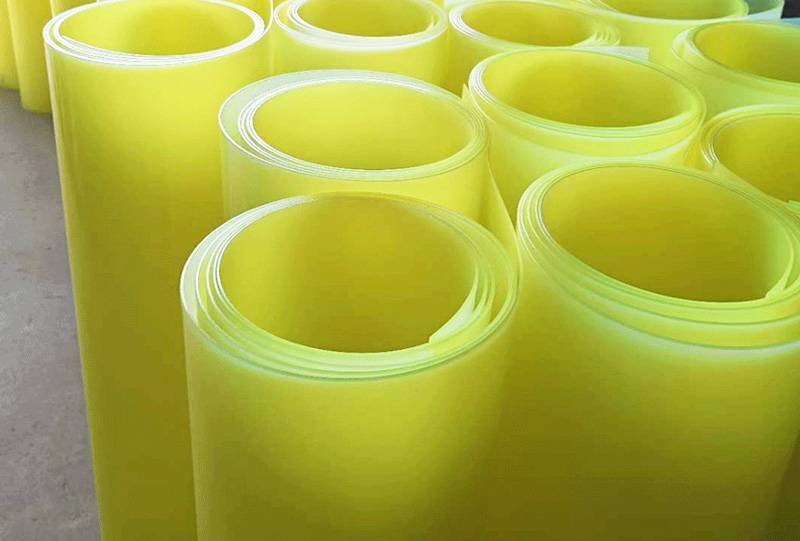
Efficiency in ceramic tile production is crucial for manufacturers aiming to meet market demands while maintaining high-quality standards. One of the key components in achieving this efficiency is the use of high-performance materials that can withstand the rigors of the manufacturing process. Among these materials, PU (Polyurethane) Sheets have proven to be invaluable due to their unique combination of durability, flexibility, and versatility. In this article, we’ll explore how high-performance PU Sheets can enhance tile production efficiency and contribute to a more streamlined and cost-effective manufacturing process. The Role of PU Sheets in Tile Production PU Sheets play several critical roles in the ceramic tile production process. From serving as protective surfaces and conveyor belts to acting as cutting mats and molds, these sheets are integral to various stages of manufacturing. Their high-performance characteristics ensure that they can handle the demanding conditions of tile production while improving efficiency in several ways: 1. Minimizing Downtime with Durable Materials Durability is a hallmark of high-performance PU Sheets. 2. Improving Precision and Quality with Flexibility Flexibility is another key advantage of PU Sheets. 3. Streamlining the Production Process PU Sheets contribute to a more streamlined production process by facilitating smooth and efficient material ...
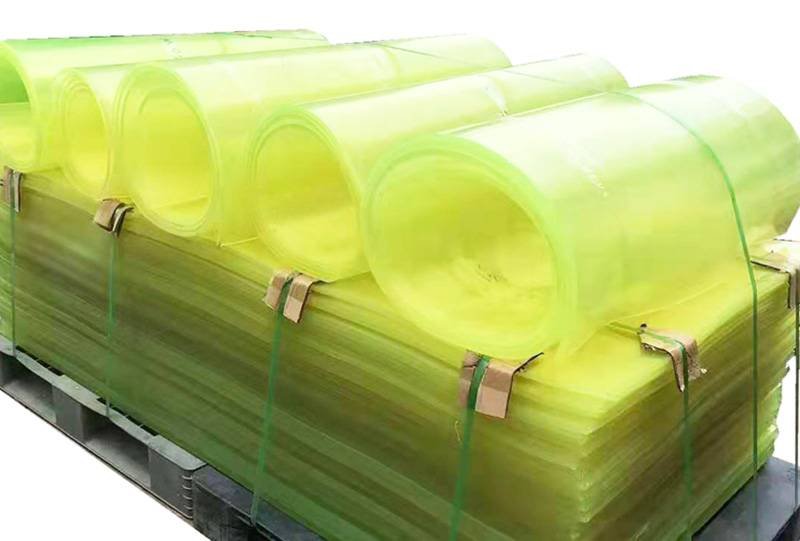
In ceramic tile production, the choice of materials can significantly impact the efficiency, quality, and cost-effectiveness of the manufacturing process. Among the various materials used, PU (Polyurethane) Sheets have emerged as a popular choice due to their unique combination of durability, flexibility, and resistance to wear. However, other materials, such as rubber, PVC, and metal, are also commonly used in tile production. In this article, we’ll compare PU Sheets with these other materials to help you determine which is best for your tile production line. PU Sheets: A Versatile Choice Key Characteristics: Applications: Advantages: Disadvantages: Rubber Sheets: The Traditional Material Key Characteristics: Applications: Advantages: Disadvantages: PVC Sheets: An Economical Alternative Key Characteristics: Applications: Advantages: Disadvantages: Metal Sheets: The Heavy-Duty Option Key Characteristics: Applications: Advantages: Disadvantages: Which Material is Best for Tile Production? PU Sheets: Rubber Sheets: PVC Sheets: Metal Sheets: Conclusion The best material for your ceramic tile production line depends on your specific needs and the demands of your manufacturing process. PU Sheets offer an excellent combination of durability, flexibility, and resistance, making them a top choice for many manufacturers. However, depending on the specific requirements of your production line, rubber, PVC, or metal might be more appropriate in ...
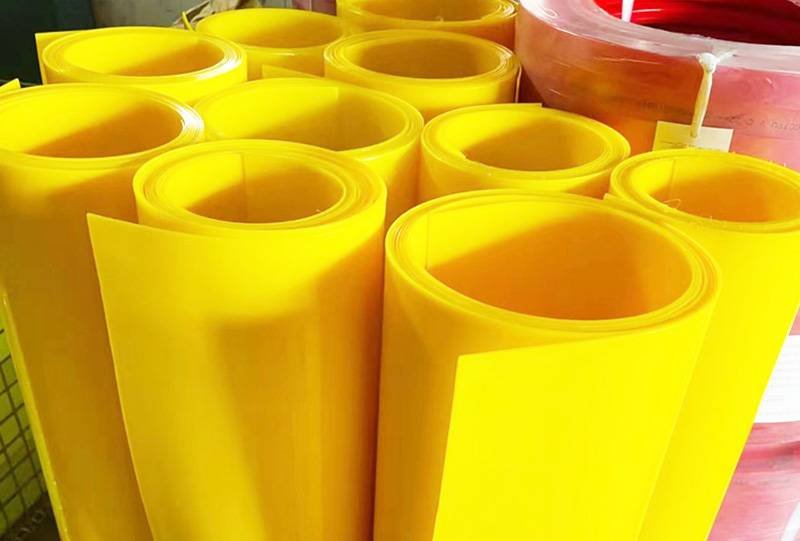
In the highly competitive ceramic tile industry, manufacturers are constantly seeking ways to improve efficiency, reduce costs, and minimize waste. One of the key challenges in tile production is managing defects that can occur during various stages of the manufacturing process. Defects not only lead to material wastage but also impact the overall quality of the final product. Advanced Polyurethane (PU) Sheets have emerged as a vital solution in addressing these challenges. This article explores how advanced PU Sheets contribute to reducing waste and defects in tile production, ultimately leading to more efficient operations and higher-quality products. The Impact of Waste and Defects in Tile Production Waste and defects in ceramic tile manufacturing can arise from various factors, including inaccurate cutting, poor material handling, and inconsistent finishing. These issues lead to several consequences: By integrating advanced PU Sheets into the production process, manufacturers can effectively address these issues and achieve significant reductions in waste and defects. How Advanced PU Sheets Reduce Waste and Defects 1. Enhanced Precision in Tile Cutting Role of PU Sheets: Advanced PU Sheets provide a stable, non-slip surface for cutting tiles, ensuring that each tile is held securely in place. This stability is crucial for achieving ...
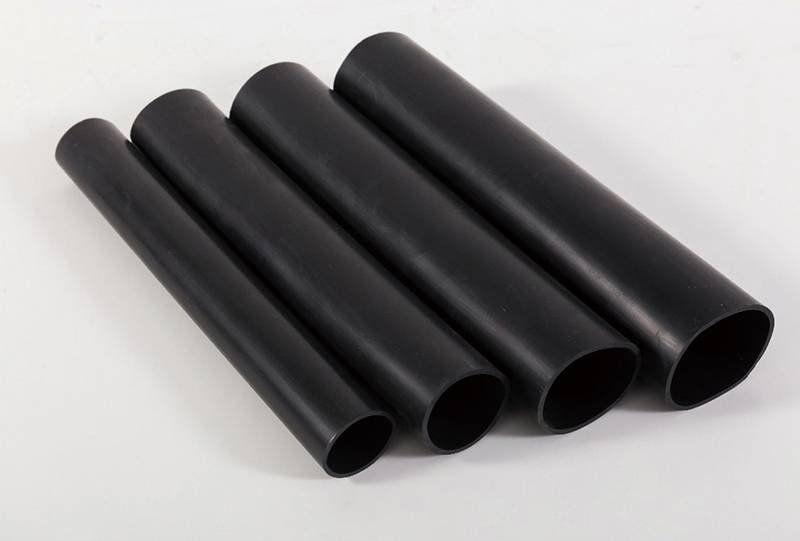
Many different parts will wear out over time; unfortunately, this is a fact of life. However, there are ways you can potentially prevent issues from arising with your parts, and one of the most important factors to consider here is to ensure that you’re getting maintenance right. In line with this thought, today, we’re looking at some of the key things you need to know about proper maintenance techniques to help prolong the lifespan of your PVC roller sleeves. Maintenance Tips for PVC Roller Sleeves Keeping on top of quality and condition in your systems is absolutely crucial, but how can you go about this? It’s not always easy to find the most effective care protocols, especially when you’re dealing with parts that may be hidden from view. Nevertheless, there are maintenance steps you can take to keep your PVC roller sleeves in good condition, including the following: -Clean the parts regularly: Grease and debris can build up over time on your roller sleeves, and this can potentially begin degrading the parts. In line with this thought, cleaning rollers regularly is highly important to ensure that the parts remain clean and in good condition.-Watch the operating temperature: PVC is an ...
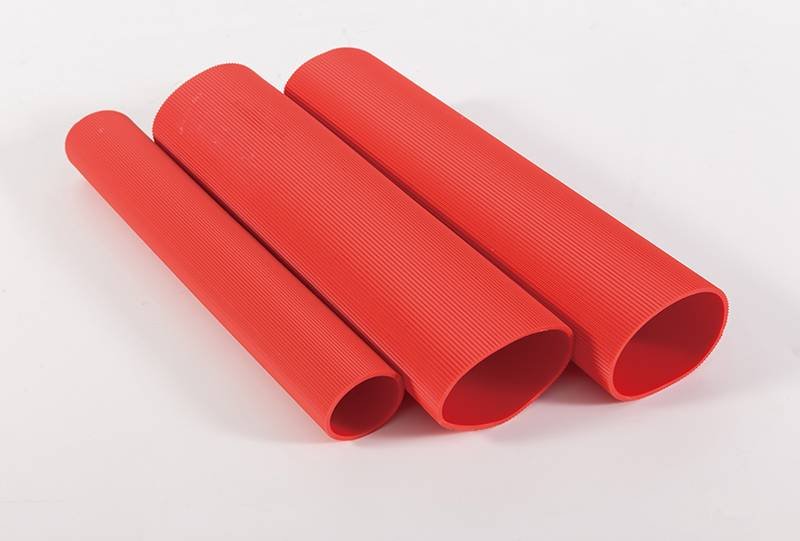
Different machinery types have very different requirements in terms of parts, and this is just as true when it comes to roller sleeves. In line with this, understanding the specific parts you’ll need is integral. Luckily, we’ve outlined some of the key things you should know about customisation options for PVC roller sleeves as follows to help you find the perfect components for your own machinery and manufacturing equipment. Customisation Options for PVC Roller Sleeves When choosing roller sleeves for your project, considering all of the different options available is highly important. Indeed, there’s no single shape, style, and design that will fit every machine. With that being said, though, specialist manufacturers can typically offer customised solutions, and these can allow you to ensure that your new roller fits as expected. Of course, we should stress here that PVC, owing to its low cost of production, is often an excellent candidate for customisation. As such, if you need a material that is easy to tailor to your business’s specific requirements, polyvinyl chloride roller sleeves might be worthwhile considerations. Size One of the main things you’ll need to consider when choosing a PVC roller sleeve is size. Indeed, in many cases, ...

Have you been looking to invest in the highest-quality tools? Finding the ideal materials for your own needs can sometimes be a challenge, but there are plenty of options on the market you could consider. Luckily, this is something that our experts can help with, and we have outlined some of the main features of polyurethane – and the customisation options available – to help you decide whether PU squeegees might be right for your needs. What is Polyurethane? First of all, we need to define what polyurethane actually is. Simply put, PU is a type of polymer that is made from a range of starting materials, which can influence the final properties of the materials accordingly. Nevertheless, as a general rule of thumb, polyurethane is incredibly strong and resistant to many environmental conditions, including high temperatures and chemical exposure. Furthermore, PU is also flexible and elastic in nature; these help make it a valuable material for squeegees since it can work reliably even in rough terrains. How PU Squeegees Can Be Customised If you think that polyurethane could be the right choice of material for your project or business, considering the customisation options could also help. Indeed, not all ...

As a business owner, ensuring you have the most accurate and reliable type of material for your project is incredibly important. However, in all too many cases, this is something that can seem challenging. Following this thought, today, we’re taking a gander at some of the different customisation and types of PU sheets. Hopefully, this can allow you to ascertain whether modern, commercially available polyurethane sheeting is likely to be a valuable and reliable addition for your project. What Types of PU Sheets Are Available for My Project? There are two main types of polyurethane sheeting that might work well for your project, depending on the starting materials used to create the polymer. These are polyester and polyethene, and their exact properties can vary slightly. Polyester PU sheets tend to be more practical for high temperature applications, while polyurethane may be better at maintaining its flexibility and core properties at lower temperatures and in more resistant environmental changes. Don’t worry; if you’re feeling at all unsure on which option might be best suited to your project, contact our experts today. Can Polyurethane Sheets be Customised? When it comes to your choice of materials, finding an option that’s reliable and versatile ...
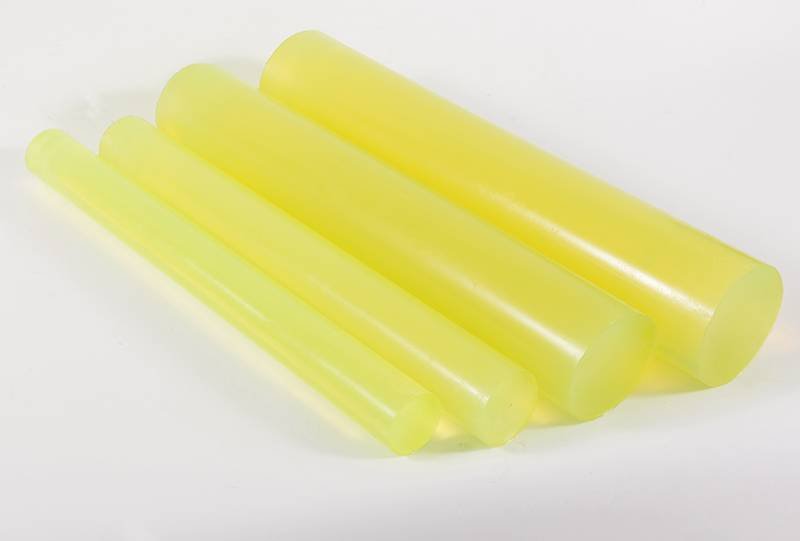
The durability and shore hardness of PU rods are among the most valuable properties, for many applications. Nevertheless, not all polyurethane is created equally. Following this, investing in the highest-quality products on the market is vital – and continuing to care for the material well can help prolong its lifespan, too. Fortunately, if this is something you have been wondering about, our experts are on hand to help you learn more about looking after polyurethane to the best possible standard. Why is Maintaining PU So Crucial? There are numerous reasons that maintaining your polyurethane rods carefully is important, and keeping these in mind could help you find the ideal solutions for your own needs. Luckily, maintaining polyurethane isn’t a hugely complex process in and of itself. Start with the Right Type of PU Rod Before we go any further, we should first stress the importance of starting out with the right type of material for your needs. Indeed, polyurethane can be made from several different starting materials. This can impact the final properties of the rod somewhat, which is well worth keeping in mind. The two main types of polyurethane rods are polyester and polyether. Polyester rods boast higher operating ...
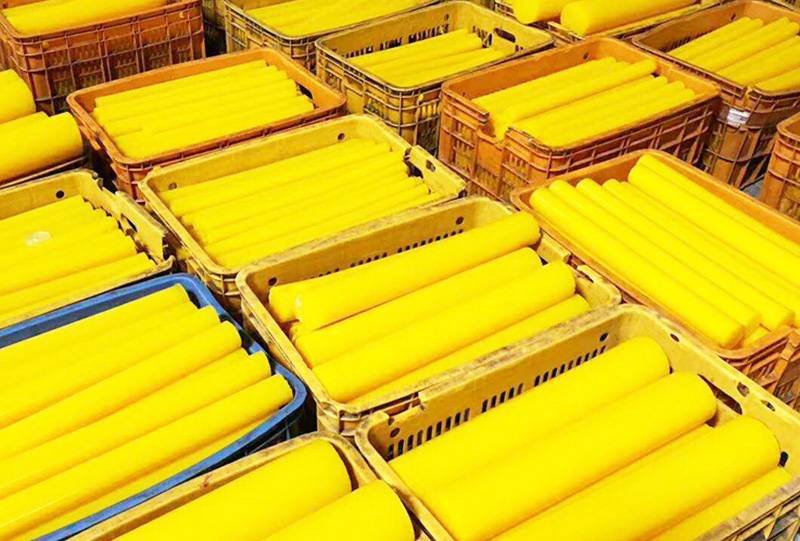
Polyurethane rods, otherwise known as PU rods, are a remarkable material, providing immense value and appeal across several different applications. Just one of the reasons behind this is the wide range of properties that PU rods can offer; luckily, today, we’re taking a look at some of the many different attributes of PU rods and how these could potentially work for your specific requirements and applications. The Main Properties of PU Rods PU rods offer many different benefits, and keeping this in mind could help you determine whether these are the right materials for your own projects. Some of the main features of PU rods that could lend themselves to your needs include the following properties. Elasticity One of the main properties of PU rods that’s worth keeping in mind for your projects is elasticity and flexibility. Indeed, compared to other materials, polyurethane is often much more flexible and elastic, which helps make it easy to use in a wide array of applications without the worry of the material splintering under pressure. In particular, their elasticity means that PU rods are widely used in moving parts and components (among other applications). Resistance PU rods are incredibly resistant to both UV ...

